
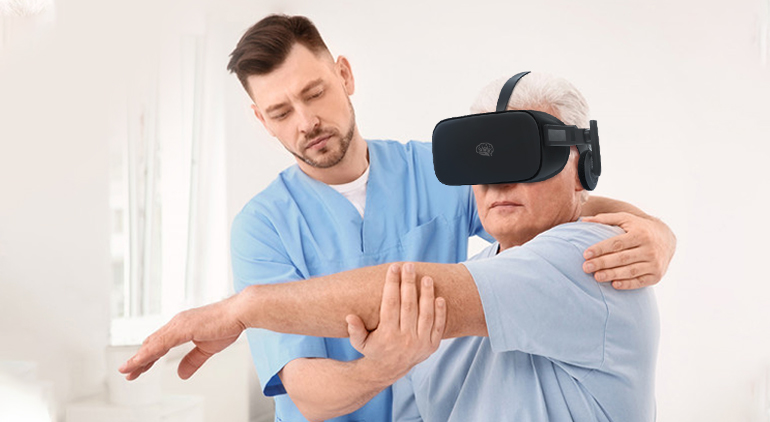
Virtual Reality Rehabilitation for Stroke Patients: A New Frontier in Neurorecovery
The journey to recovery after a stroke is often long and challenging, requiring intensive, repetitive therapy to regain lost functions. For millions worldwide, traditional rehabilitation methods, while effective, can sometimes lack the engagement and intensity needed for optimal outcomes. Enter virtual reality rehabilitation for stroke patients – a revolutionary approach leveraging cutting-edge technology to transform the landscape of neurological recovery. This immersive and interactive therapy is not just a passing trend; it represents a significant leap forward in empowering individuals to reclaim their independence, offering a dynamic and engaging platform for crucial motor and cognitive retraining.
Understanding the Impact of Stroke and the Need for Innovation
A stroke, often described as a "brain attack," occurs when blood flow to a part of the brain is interrupted, leading to brain cell damage. The resulting impairments can be diverse, affecting motor skills, speech, cognition, and balance. Traditional physical and occupational therapy focuses on repetitive exercises, task-specific training, and functional activities designed to promote neuroplasticity – the brain's remarkable ability to reorganize itself. However, maintaining patient engagement and providing sufficient intensity and repetition are persistent challenges in conventional settings. This is precisely where virtual reality rehabilitation for stroke patients offers a compelling solution, providing an environment that is both stimulating and highly customizable.
The Limitations of Traditional Approaches
- Monotony: Repetitive exercises can become tedious, leading to decreased motivation.
- Limited Feedback: Patients may not always receive immediate, objective feedback on their performance.
- Lack of Real-World Context: Exercises often occur in a clinic, not always mirroring daily life scenarios.
- Resource Intensive: One-on-one therapist time can be costly and limited.
These limitations underscore the critical need for innovative tools that can augment traditional therapy, making it more effective, accessible, and enjoyable. Virtual reality (VR) technology emerges as a powerful candidate, capable of addressing these gaps by creating engaging, measurable, and highly adaptable therapeutic environments.
How Virtual Reality Facilitates Stroke Recovery: Mechanisms and Benefits
At its core, virtual reality rehabilitation for stroke patients harnesses the power of immersive digital environments to trick the brain into believing it's performing real-world tasks. This "sensory illusion" is crucial for driving recovery. When a patient, for instance, reaches for a virtual object, their brain processes this action as if it were happening in the physical world, activating neural pathways essential for movement and coordination. This mechanism is deeply rooted in principles of motor learning and neuroplasticity.
Key Mechanisms of Action
- Enhanced Neuroplasticity: VR provides an enriched environment that promotes the formation of new neural connections and strengthens existing ones, crucial for regaining lost function. The intensive, repetitive, and task-specific nature of VR exercises directly stimulates this process.
- Motor Learning Principles: VR platforms are designed to incorporate principles like mass practice, distributed practice, and variable practice, optimizing the acquisition and retention of motor skills.
- Sensory-Motor Integration: By providing rich visual and auditory feedback synchronized with physical movements, VR helps reintegrate sensory and motor systems, which are often disrupted after a stroke.
- Error Augmentation/Reduction: Some VR systems can subtly amplify or reduce errors in movement, providing immediate feedback that helps patients correct their motor patterns more effectively.
Tangible Benefits for Stroke Survivors
The advantages of incorporating VR therapy for stroke recovery are multifaceted, impacting both the physical and psychological aspects of rehabilitation:
- Increased Engagement and Motivation: Gamified exercises and interactive scenarios make therapy fun and challenging, significantly boosting patient adherence and sustained effort. Patients often forget they are "working out" because they are engrossed in a virtual game or task.
- High Repetition and Intensity: VR systems can facilitate hundreds or even thousands of repetitions of specific movements within a single session, far exceeding what's typically possible in traditional therapy. This high volume is critical for motor relearning.
- Safe and Controlled Environment: Patients can practice challenging tasks like walking on uneven terrain or reaching for objects without the risk of falling or injury, building confidence before attempting them in the real world.
- Objective Performance Tracking: VR platforms collect vast amounts of data on movement speed, accuracy, range of motion, and task completion, allowing therapists to precisely monitor progress and tailor interventions. This data-driven approach ensures personalized therapy.
- Real-World Simulation: Patients can practice activities of daily living (ADLs) in virtual environments that closely mimic real-life situations, such as cooking, dressing, or navigating a supermarket, promoting functional improvement.
- Reduced Cognitive Load (in some cases): By focusing on an engaging task, patients may experience less perceived effort, allowing them to push harder without feeling overwhelmed.
- Accessibility and Telerehabilitation Potential: With advancements, VR systems can be deployed in patients' homes, enabling remote monitoring and telerehabilitation, expanding access to care, especially for those in rural areas or with mobility challenges.
Types of Virtual Reality Systems in Neurorehabilitation
The landscape of virtual reality rehabilitation for stroke patients is diverse, encompassing various technologies, from simple off-the-shelf gaming consoles to sophisticated medical-grade immersive systems.
Categorization of VR Systems
- Non-Immersive VR: These systems typically use a standard computer screen or television, often incorporating motion-sensing cameras (like Microsoft Kinect or Nintendo Wii) to track patient movements. They are generally more affordable and accessible, making them a good entry point. Patients see their virtual avatar or objects on a screen and interact with them using their body movements.
- Semi-Immersive VR: These systems often involve large projection screens or multiple monitors, providing a wider field of view than non-immersive setups. They offer a greater sense of presence without completely isolating the user from their physical surroundings.
- Fully Immersive VR: Utilizing head-mounted displays (HMDs) like Oculus Rift, HTC Vive, or Valve Index, these systems transport the user completely into a virtual world. They offer the highest sense of presence and allow for highly realistic simulations, often incorporating haptic feedback for a more tactile experience. This type of VR is particularly powerful for creating highly engaging and challenging environments.
Examples of VR Applications
- Upper Limb Rehabilitation: Patients might play a game where they virtually pick up objects, throw balls, or manipulate tools, improving fine motor skills, grip strength, and range of motion.
- Lower Limb and Gait Training: VR can simulate walking on different terrains, climbing stairs, or navigating crowded spaces, helping improve balance, coordination, and walking patterns.
- Balance and Proprioception: Tasks requiring weight shifting, maintaining balance on unstable surfaces, or reacting to unexpected movements in a virtual environment can significantly enhance stability.
- Cognitive Rehabilitation: Games designed to target attention, memory, problem-solving, and executive functions can be integrated into VR scenarios, crucial for holistic cognitive therapy.
- Activities of Daily Living (ADLs): Patients can practice tasks like preparing a meal in a virtual kitchen, dressing a virtual avatar, or navigating a virtual grocery store, bridging the gap between clinical exercises and real-life independence.
Implementing VR in Clinical and Home Settings: Practical Advice
For healthcare providers and stroke survivors considering virtual reality rehabilitation for stroke patients, practical implementation strategies are key to maximizing its benefits.
For Clinicians and Therapists:
- Assess Patient Suitability: Not all patients are ideal candidates for VR. Consider cognitive status, visual acuity, balance issues, and potential for cybersickness. Start with non-immersive systems before progressing to fully immersive ones if appropriate.
- Integrate, Don't Replace: VR should augment, not entirely replace, traditional hands-on therapy. It's a powerful tool to enhance intensity and engagement.
- Set Clear Goals: Define specific, measurable, achievable, relevant, and time-bound (SMART) goals for VR therapy, just as you would for any other intervention.
- Personalize Programs: Leverage the adaptability of VR systems to tailor exercises to individual patient needs, progression levels, and interests. This ensures truly personalized therapy.
- Monitor and Adjust: Regularly review performance data from the VR system and make necessary adjustments to the program to ensure continuous challenge and progression.
- Educate Patients and Caregivers: Explain the benefits, potential side effects (like cybersickness), and how to use the system effectively, especially for home-based programs.
For Stroke Patients and Caregivers:
- Discuss with Your Therapist: Always consult your physical or occupational therapist before starting any new rehabilitation program, including VR. They can determine if VR therapy for stroke recovery is right for you and recommend suitable systems.
- Start Small: Begin with shorter sessions to acclimate to the virtual environment and minimize the risk of cybersickness. Gradually increase duration and intensity as you adapt.
- Combine with Traditional Exercises: VR is most effective when integrated into a comprehensive rehabilitation plan that includes conventional exercises, manual therapy, and functional training.
- Focus on Consistency: Regular, consistent engagement with VR exercises is more important than infrequent, long sessions. Aim for short, frequent bursts of activity.
- Report Any Discomfort: If you experience dizziness, nausea, or eye strain, inform your therapist immediately. Adjustments can often be made to reduce these symptoms.
- Ensure Proper Setup: Whether in a clinic or at home, ensure the VR equipment is set up correctly, with adequate space and safety precautions in place.
- Celebrate Small Victories: Track your progress using the data provided by the VR system and acknowledge your improvements. This helps maintain motivation.
Addressing Challenges and Looking Towards the Future
While virtual reality rehabilitation for stroke patients holds immense promise, its widespread adoption faces certain challenges. These include the initial cost of high-end equipment, potential cybersickness in some individuals, the need for standardized protocols, and integrating these technologies seamlessly into existing healthcare workflows. However, ongoing research and technological advancements are rapidly addressing these hurdles.
Future Directions in VR Neurorehabilitation
- AI-Powered Adaptive Systems: Artificial intelligence will enable VR systems to automatically adjust difficulty levels in real-time based on patient performance, ensuring optimal challenge and progression.
- Advanced Haptic Feedback: More sophisticated haptic devices will provide realistic tactile sensations, making virtual interactions feel more tangible and enhancing motor learning.
- Integration with Wearables: Combining VR with wearable sensors will allow for more precise tracking of physiological responses and subtle movements, providing richer data for therapists.
- Personalized Content Creation: Tools that allow therapists to easily create or customize virtual environments and tasks tailored to highly specific patient needs will become more prevalent.
- Tele-rehabilitation Expansion: As VR hardware becomes more affordable and user-friendly, home-based telerehabilitation will grow, extending the reach of expert care.
- Evidence-Based Practice: Continued robust clinical trials are essential to solidify the evidence base for VR's efficacy in diverse stroke populations and for various types of impairments, further legitimizing its role as a core component of neurorehabilitation.
The trajectory of virtual reality rehabilitation for stroke patients is undeniably upward. As technology becomes more sophisticated, accessible, and integrated with clinical insights, it will play an increasingly central role in helping stroke survivors achieve their maximum recovery potential, fostering greater independence and improving quality of life.
Frequently Asked Questions
What is virtual reality rehabilitation for stroke patients?
Virtual reality rehabilitation for stroke patients is an innovative therapeutic approach that uses immersive or non-immersive digital environments to help individuals regain motor, cognitive, and functional abilities lost after a stroke. Patients interact with virtual scenarios, often through games or simulated tasks, which provide immediate feedback and encourage repetitive, goal-oriented movements. This technology leverages principles of brain plasticity to promote recovery by making therapy more engaging and intensive than traditional methods.
How does VR therapy help with motor recovery after a stroke?
VR therapy aids motor recovery by providing a highly engaging and customizable environment for repetitive practice of specific movements. When patients perform actions in a virtual world (e.g., reaching for a virtual object, walking through a simulated environment), their brain processes these as real movements. This intensive, task-specific training, coupled with immediate visual and auditory feedback, helps to reorganize neural pathways, improve coordination, increase range of motion, and build strength. The gamified nature of many VR exercises also boosts motivation, leading to higher adherence and more consistent practice, which are critical for optimal motor relearning.
Is virtual reality rehabilitation safe for all stroke survivors?
While generally safe, virtual reality rehabilitation for stroke patients is not universally suitable for everyone. Potential side effects like cybersickness (nausea, dizziness, eye strain) can occur, especially with fully immersive systems. Patients with severe cognitive impairments, significant visual or balance deficits, or a history of seizures may require careful evaluation and supervision. It's crucial for a qualified physical or occupational therapist to assess a patient's suitability, start with short sessions, and monitor for any adverse reactions. The therapy should always be tailored to the individual's specific needs and capabilities.
Can I do virtual reality rehabilitation at home?
Yes, home-based virtual reality rehabilitation for stroke patients is increasingly possible and beneficial, especially with the rise of more affordable and user-friendly systems. Many non-immersive and even some immersive VR platforms can be set up in a home environment. This offers significant advantages in terms of convenience, accessibility, and the ability to perform more frequent, shorter sessions. However, it is absolutely essential to have initial guidance and ongoing supervision from a qualified therapist who can design a personalized program, monitor progress remotely (via telerehabilitation), and ensure safety and proper technique. Home-based VR should complement, not replace, professional clinical oversight.

0 Komentar