
Unlocking Affordable Digital Assets: Top NFT Marketplaces with Low Gas Fees on Polygon
In the rapidly evolving world of digital collectibles, navigating the complexities of blockchain transactions and their associated costs can be a significant hurdle. If you're an artist, collector, or investor looking to delve into the vibrant NFT space without being burdened by exorbitant crypto gas fees, then exploring an NFT marketplace with low gas fees on Polygon is your ultimate solution. This comprehensive guide will illuminate why Polygon has become the preferred scaling solution for cost-effective NFT minting and trading, and highlight the leading platforms where you can acquire and sell digital assets with unparalleled efficiency and affordability. Discover how to revolutionize your NFT journey, ensuring your focus remains on creativity and collection, not prohibitive transaction costs.
The Gas Fee Dilemma: Why Polygon is a Game Changer for NFTs
The burgeoning popularity of Non-Fungible Tokens (NFTs) has undeniably pushed the boundaries of digital ownership, art, and innovation. However, this explosion in activity, primarily on the Ethereum network, has also exposed a significant bottleneck: high transaction costs, commonly known as "gas fees." These fees, paid to blockchain validators, can often exceed the value of the NFT itself, making frequent transactions or smaller purchases financially unviable for many. The inherent design of Ethereum, while robust and secure, struggles with scalability under heavy demand, leading to network congestion and escalating costs.
Enter Polygon, a revolutionary Layer 2 scaling solution built on top of Ethereum. Polygon (formerly Matic Network) provides a framework for building and connecting Ethereum-compatible blockchain networks, effectively acting as a high-speed, low-cost sidechain. Its core innovation lies in its ability to process transactions off the main Ethereum chain, bundling them together and then submitting a single proof back to Ethereum. This dramatically reduces the computational load on the mainnet, translating directly into significantly lower transaction costs and much faster confirmation times. For the NFT ecosystem, Polygon is not just an alternative; it's a necessity, offering a viable path for mainstream adoption by making blockchain transactions accessible to everyone.
Key Advantages of Polygon for NFT Enthusiasts:
- Drastically Reduced Gas Fees: Transactions on Polygon can cost mere pennies, or even fractions of a cent, a stark contrast to Ethereum's frequently triple-digit dollar fees. This makes minting NFTs, transferring ownership, and even bidding far more economical.
- Faster Transaction Speeds: Polygon boasts transaction finality in mere seconds, enhancing the user experience for both buyers and sellers who no longer have to wait minutes or hours for their transactions to confirm.
- Eco-Friendliness: With lower computational requirements per transaction, Polygon offers a more energy-efficient alternative, aligning with growing concerns about the environmental impact of proof-of-work blockchains.
- Ethereum Compatibility: As an Ethereum-compatible network, Polygon benefits from Ethereum's established security and developer tools, ensuring a seamless transition for existing DApps and users.
Key Features to Look for in a Low-Gas NFT Marketplace on Polygon
Choosing the right Polygon NFT platform is crucial for a smooth and rewarding experience. While low gas fees are a primary driver, several other factors contribute to a superior marketplace. An SEO expert knows that understanding these features not only helps users but also signals to search engines that the content is comprehensive and valuable.
Essential Criteria for Evaluating Polygon NFT Marketplaces:
- Intuitive User Interface (UI/UX): A clean, easy-to-navigate interface is paramount. Whether you're a seasoned crypto veteran or new to digital collectibles, the process of browsing, buying, selling, and minting should be straightforward and enjoyable.
- Robust Security Measures: The marketplace must prioritize the security of your assets and personal data. Look for features like multi-factor authentication, secure wallet integrations (e.g., MetaMask, WalletConnect), and a transparent track record of security. Secure transactions are non-negotiable.
- Comprehensive Creator Tools: For artists, the ability to easily mint NFTs, set royalty payments, and manage collections is vital. The best platforms offer flexible options for different token standards (ERC-721, ERC-1155) and allow creators to define their terms.
- Diverse Asset Variety: A good marketplace should host a wide range of NFTs, from digital art and music to gaming assets, metaverse land, and sports collectibles. This ensures a broad appeal and diverse investment opportunities.
- Community and Support: A thriving community, active social channels, and responsive customer support indicate a healthy and reliable platform. This is particularly important for troubleshooting or understanding new features.
- Cross-Chain Capabilities: While focusing on Polygon, some marketplaces offer bridges or integrations that allow for easier movement of assets between Polygon and other chains, enhancing interoperability.
- Transparent Fee Structure: Beyond gas fees, understand the marketplace's own service fees for sales or minting. These should be clearly stated and competitive.
Top NFT Marketplaces on Polygon Known for Low Gas Fees
The Polygon ecosystem has attracted a significant number of NFT marketplaces, each offering unique strengths. Here, we highlight some of the leading platforms where you can enjoy the benefits of affordable NFT transactions.
OpenSea: The Goliath Embracing Polygon
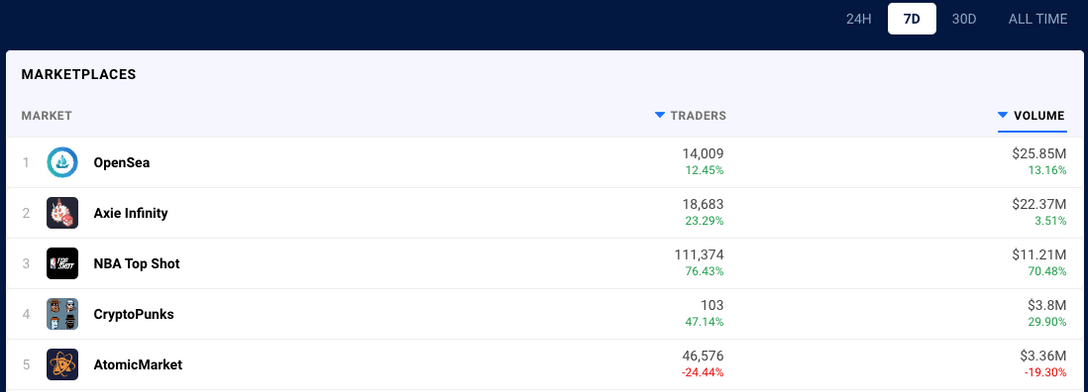
As the largest NFT marketplace globally, OpenSea's integration with the Polygon network was a pivotal moment for the ecosystem. It allows users to buy, sell, and mint NFTs on Polygon with significantly reduced gas fees, making it an accessible hub for a vast array of digital collectibles. OpenSea's familiar interface and massive user base mean that liquidity is high, making it easier to find buyers for your creations or discover unique pieces. While it supports multiple blockchains, its Polygon integration is seamless, often appearing as a direct option when browsing or listing. This platform is a go-to for many due to its sheer volume and broad appeal, offering everything from generative art to profile picture (PFP) collections.
Rarible: Creator-Centric with Polygon Support
Rarible stands out for its strong focus on empowering creators. It’s a community-governed marketplace that allows artists to mint NFTs with ease, and its support for Polygon means these creations can be brought to market without the burden of high costs. Rarible offers unique features like shared royalties, allowing multiple creators to benefit from a single NFT. Its interface is clean, and the platform actively promotes emerging artists. For those looking for a platform that champions artistic expression while keeping cost-effective NFT minting in mind, Rarible on Polygon is an excellent choice. It emphasizes decentralized applications (dApps) and community participation.
Magic Eden: Expanding Horizons to Polygon
Originally a Solana-centric powerhouse, Magic Eden's expansion into Polygon signifies a growing recognition of Polygon's importance in the NFT landscape. Known for its curated collections, launchpad services, and strong community focus, Magic Eden brings its expertise in user experience and marketplace liquidity to the Polygon network. This platform is particularly strong for gaming NFTs and PFP projects, offering a sleek browsing experience and often exclusive drops. Its move to support Polygon solidifies its position as a multi-chain contender, providing another robust option for users seeking a dynamic and next-gen NFT ecosystem with low fees.
NFTrade: The Cross-Chain Aggregator
NFTrade positions itself as a cross-chain NFT platform and aggregator, allowing users to create, buy, sell, swap, and farm NFTs across various blockchains, including Polygon. Its strength lies in its ability to unify the NFT experience, providing a single interface for managing digital assets regardless of their native chain. For Polygon users, this means seamless access to a broader market and the flexibility to manage their collections efficiently. NFTrade's focus on interoperability and ease of use makes it an attractive option for collectors with diverse portfolios, emphasizing the broader vision of Web3 where assets can move freely.
Kalao: Metaverse and VR Focused Marketplace
Kalao is carving out a niche as a metaverse-focused NFT marketplace built on Avalanche, but with strong support and integration for Polygon assets. It offers immersive virtual galleries and a platform for trading virtual land, wearables, and other metaverse assets. While its primary chain might be Avalanche, its commitment to supporting Polygon for low-cost transactions highlights the network's versatility. For those interested in the burgeoning metaverse assets space and seeking an immersive trading experience, Kalao presents an innovative option, leveraging Polygon for efficient underlying transactions.
Maximizing Your NFT Experience on Polygon: Practical Tips
Even with cheap gas fees, a few practical steps can further enhance your NFT journey on Polygon, ensuring security and efficiency.
- Set Up Your Wallet Correctly: Ensure your Web3 wallet (e.g., MetaMask, Trust Wallet) is correctly configured to connect to the Polygon network. Most wallets allow you to add custom networks, or it may be automatically detected when connecting to a Polygon-enabled dApp.
- Bridge Assets to Polygon: If you have MATIC or other tokens on the Ethereum mainnet, you'll need to bridge them to the Polygon network to pay for gas fees and purchase NFTs. Use the official Polygon Bridge or trusted third-party bridges. This is a critical step for Polygon network advantages to kick in.
- Always Double-Check Transaction Details: Even with low fees, review all transaction details, including the recipient address and the amount, before confirming. This is a fundamental aspect of secure transactions in the crypto space.
- Understand Marketplace Fees: Beyond Polygon's gas fees, each marketplace charges its own service fees (e.g., listing fees, sales commissions). Familiarize yourself with these to avoid surprises.
- Stay Informed on Project Rug Pulls: The NFT space can be volatile. Research projects thoroughly before investing. Look for active communities, clear roadmaps, and transparent teams.
- Backup Your Wallet Seed Phrase: Your seed phrase is the master key to your crypto assets. Store it securely offline and never share it with anyone.
- Explore Different Collections: Don't limit yourself to just one type of NFT. Polygon hosts a diverse range of digital collectibles, from art to gaming, offering varied investment and collecting opportunities.
The Future of NFTs on Polygon: What to Expect
The trajectory of NFTs on Polygon points towards continued exponential growth and innovation. As more developers and projects recognize the unparalleled benefits of low transaction costs and high throughput, we can expect an influx of new applications and use cases. The integration of major brands and corporations is already underway, further validating Polygon's role as a cornerstone of the future of Web3. We anticipate a surge in blockchain gaming titles launching on Polygon, leveraging its efficiency for in-game asset ownership and trading. Furthermore, the ecosystem's emphasis on scalability and environmental sustainability positions it as a leader in shaping a more accessible and responsible digital future for NFTs. The ongoing development of ZK-rollups and other advanced scaling solutions within the Polygon framework promises even greater efficiency and security, cementing its status as a premier network for all things digital assets and beyond.
Frequently Asked Questions (FAQs)
What makes Polygon ideal for low-gas NFT transactions?
Polygon's architecture as a Layer 2 scaling solution for Ethereum is specifically designed to address the high gas fees and slow transaction speeds prevalent on the Ethereum mainnet. It achieves this by processing transactions off-chain in a highly efficient manner and then bundling them into a single proof that is submitted back to Ethereum. This significantly reduces the computational load and network congestion, leading to incredibly low transaction costs (often mere cents) and near-instant confirmation times. For NFT enthusiasts, this means more frequent and affordable minting, buying, and selling of digital collectibles.
How do I transfer NFTs to Polygon?
To transfer NFTs to Polygon, you typically use a "bridge" service. The most common method involves using the official Polygon Bridge, which allows you to move assets (including ERC-721 and ERC-1155 tokens, which are NFTs) from the Ethereum mainnet to the Polygon network. You connect your Web3 wallet (like MetaMask), select the NFT you wish to bridge, confirm the transaction on the Ethereum side (which will incur an Ethereum gas fee), and then wait for it to appear on the Polygon network. Once on Polygon, subsequent transactions involving that NFT will benefit from Polygon network advantages, including its minimal gas fees.
Are NFTs on Polygon as secure as those on Ethereum?
NFTs on Polygon benefit from the security of both the Polygon network itself and, indirectly, the underlying Ethereum blockchain. Polygon's Proof-of-Stake consensus mechanism provides strong security, and its checkpoints are regularly submitted to the Ethereum mainnet, inheriting Ethereum's robust security guarantees. While Polygon operates as a sidechain, its deep integration with Ethereum means that secure transactions are a core tenet. The security of an individual NFT also depends on the smart contract it's built upon and the practices of the marketplace where it's traded.
Can I sell NFTs minted on Ethereum on Polygon marketplaces?
Yes, you can often sell NFTs originally minted on Ethereum on Polygon-integrated marketplaces, provided you first bridge those NFTs from the Ethereum mainnet to the Polygon network. Marketplaces like OpenSea, which support both Ethereum and Polygon, allow you to list your bridged NFTs. Once an NFT is on Polygon, all subsequent transactions for that specific NFT on the Polygon network will incur the much lower crypto gas fees associated with Polygon, making it more appealing for buyers looking for affordable NFT transactions.

0 Komentar