
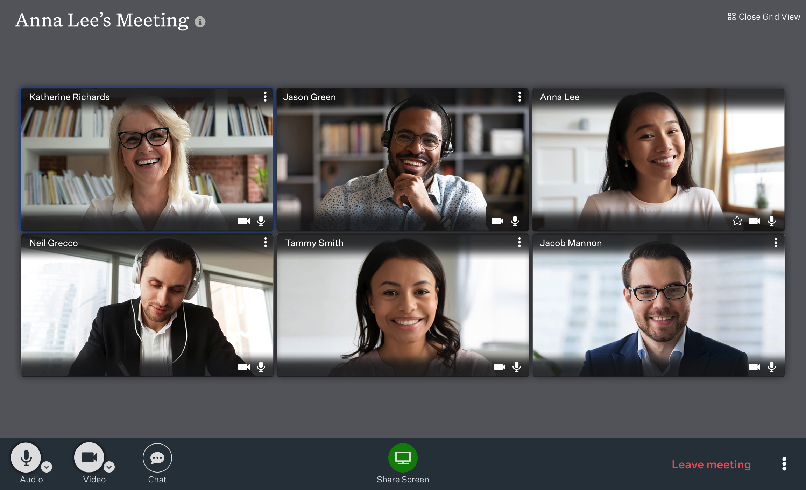
Unlocking Seamless Connections: The Best Video Conferencing Software for Meetings in 2024
In today's interconnected world, where remote work and global teams are the norm, choosing the best video conferencing software for meetings is no longer a luxury but a fundamental necessity. From daily stand-ups to crucial client presentations, reliable online communication tools are the backbone of efficient operations. This comprehensive guide, crafted by an SEO expert, delves deep into the top contenders, offering invaluable insights to help you navigate the crowded market and select the ideal platform that aligns perfectly with your specific business needs. We'll explore critical features, security considerations, and user experience, ensuring you make an informed decision for seamless virtual meetings and enhanced team productivity.
Why Video Conferencing is Indispensable for Modern Businesses
The landscape of work has dramatically shifted, making robust video conferencing software more vital than ever. The rise of hybrid work environments and distributed teams has amplified the demand for tools that can bridge geographical gaps and foster effective remote collaboration. Beyond just seeing and hearing colleagues, these platforms facilitate real-time decision-making, boost morale through face-to-face interactions, and significantly reduce travel costs and time. For businesses aiming to stay competitive and agile, investing in the right virtual meeting platform is a strategic move that impacts everything from employee engagement to client relationships.
Key Features to Prioritize in Video Conferencing Solutions
When evaluating the myriad of options available, a discerning eye for specific features will guide you towards the best video conferencing software for meetings. Not all platforms are created equal, and understanding what truly matters can save you time, money, and frustration.
- High-Quality Audio and Video: This is non-negotiable. Crisp audio and clear video are paramount for effective communication, minimizing misunderstandings, and ensuring a professional impression. Look for support for HD video and advanced audio processing.
- Reliable Screen Sharing: Essential for presentations, collaborative document review, and technical support. The ability to share specific applications or your entire desktop seamlessly is crucial.
- Robust Chat Functionality: In-meeting chat allows for quick questions, sharing links, and side conversations without interrupting the main speaker. Persistent chat features are also valuable for post-meeting follow-ups.
- Meeting Recording and Transcripts: Ideal for those who missed a meeting, for compliance, or for reviewing discussions. AI-powered transcription services are a significant bonus.
- Advanced Security Features: With increased cyber threats, meeting security is paramount. Look for end-to-end encryption, password protection, waiting rooms, and granular control over participant permissions.
- Scalability and Participant Capacity: Ensure the software can accommodate your largest meetings, from one-on-one calls to large webinars or all-hands events.
- Integrations with Other Tools: Seamless integration with calendars (Outlook, Google Calendar), project management software (Asana, Trello), and CRM systems (Salesforce) can significantly streamline workflows.
- User-Friendliness and Accessibility: An intuitive interface means less training time and greater adoption. Cross-platform compatibility (desktop, mobile, web browser) is also vital.
- Breakout Rooms: For large meetings, the ability to divide participants into smaller groups for focused discussions is incredibly valuable for workshops and brainstorming sessions.
- Virtual Backgrounds and Filters: While not strictly essential, these features add a layer of professionalism and fun, allowing users to maintain privacy or express creativity.
- Whiteboarding Capabilities: Interactive whiteboards facilitate real-time collaboration, allowing participants to brainstorm, draw, and annotate together.
Top Contenders: A Deep Dive into the Leading Video Conferencing Platforms
Having established the essential features, let's explore the leading video conferencing software options that consistently rank high for their performance, feature sets, and user satisfaction.
Zoom: The Industry Standard for Versatility
Zoom rose to prominence for its exceptional ease of use and robust feature set, quickly becoming synonymous with online meetings. Its reliability and widespread adoption make it a go-to for many organizations.
- Pros:
- Unmatched Reliability: Known for stable connections and high-quality audio and video quality, even with many participants.
- Feature-Rich: Offers breakout rooms, virtual backgrounds, screen sharing, recording, chat, polls, and extensive webinar capabilities.
- User-Friendly Interface: Highly intuitive for both hosts and participants, leading to quick adoption.
- Scalability: Supports meetings from two participants up to thousands for webinars.
- Cons:
- Security Concerns (Historical): While significantly improved, early "Zoom bombing" incidents raised awareness. Modern Zoom has robust meeting security features like waiting rooms and password protection.
- Pricing for Advanced Features: While a generous free tier exists, advanced features and higher participant limits require paid subscriptions.
- Best For: Businesses of all sizes, from small teams to large enterprises, educational institutions, and individuals seeking a versatile and reliable platform for diverse meeting needs, including large webinars and virtual events.
Microsoft Teams: The Integrated Collaboration Hub
For organizations deeply embedded in the Microsoft ecosystem, Teams isn't just a video conferencing software; it's a complete collaboration suite.
- Pros:
- Seamless Microsoft 365 Integration: Directly connects with Outlook, SharePoint, OneDrive, and other Microsoft applications, making it ideal for unified online communication solutions.
- Comprehensive Collaboration: Combines chat, file sharing, task management, and video calls in one platform.
- Enterprise-Grade Security: Benefits from Microsoft's robust security infrastructure and compliance standards.
- Meeting Features: Includes screen sharing, recording, live captions, breakout rooms, and custom backgrounds.
- Cons:
- Resource-Intensive: Can be demanding on system resources, especially on older machines.
- Learning Curve: The sheer breadth of features can be overwhelming for new users.
- Less Intuitive for External Guests: Joining meetings as an external guest can sometimes be less straightforward than with Zoom.
- Best For: Enterprises and organizations heavily invested in Microsoft 365, seeking an all-in-one platform for real-time communication, collaboration, and file management. It excels in hybrid work environments where deep integration is key.
Google Meet: Simplicity and Google Ecosystem Integration
Google Meet leverages the power and simplicity of the Google Workspace ecosystem, offering a straightforward yet effective solution for virtual meetings.
- Pros:
- Deep Google Workspace Integration: Seamlessly integrates with Google Calendar, Gmail, and Google Docs, making scheduling and sharing effortless.
- Ease of Use: Very user-friendly, especially for those familiar with Google products. Joining a meeting is often just a click away.
- Accessibility: Web-based, requiring no software download for participants, making it highly accessible.
- Good Free Tier: Offers a solid free version for individuals and small teams.
- Cons:
- Fewer Advanced Features: Lacks some of the more sophisticated features found in Zoom or Webex, such as advanced webinar controls or extensive polling options.
- Dependent on Google Account: While guests can join without one, hosts typically need a Google account.
- Best For: Small and medium businesses (SMBs), educational institutions, and individuals already using Google Workspace for their productivity needs. It's excellent for quick, efficient small business video calls and internal team meetings.
Cisco Webex: Enterprise-Grade Security and Reliability
Cisco Webex has long been a staple in the enterprise space, known for its strong security protocols and robust features designed for large-scale corporate environments.
- Pros:
- Top-Tier Security: Offers advanced encryption, data privacy features, and compliance certifications, making it a leader in enterprise video conferencing security.
- Comprehensive Feature Set: Includes screen sharing, recording, customizable layouts, polling, Q&A, and advanced meeting controls.
- Reliability: Built on Cisco's robust network infrastructure, ensuring high reliability and performance.
- Scalability: Designed to handle large corporate events and numerous concurrent meetings.
- Cons:
- Higher Cost: Generally more expensive than consumer-focused alternatives.
- Interface Can Be Complex: While powerful, the interface can sometimes feel less intuitive for new users compared to Zoom or Google Meet.
- Resource Usage: Can be resource-intensive, similar to Teams.
- Best For: Large enterprises, government agencies, and organizations with stringent security and compliance requirements, or those needing a comprehensive solution for webinar hosting platforms and large-scale virtual events.
GoTo Meeting: Professionalism and Simplicity for Business
GoTo Meeting focuses on providing a professional, no-frills meeting experience, popular among sales teams and small businesses.
- Pros:
- Professional Interface: Clean and straightforward, ideal for client meetings and presentations.
- Ease of Use: Simple to set up and join meetings, reducing technical friction.
- Reliable Performance: Known for stable connections and good audio and video quality.
- Strong Mobile Apps: Offers excellent functionality on mobile devices.
- Cons:
- Limited Free Tier: The free version is very basic, pushing users quickly towards paid plans.
- Fewer Integrations: Not as widely integrated with other business tools as some competitors.
- Can Be Pricey: Paid plans can be more expensive than comparable offerings from competitors.
- Best For: Small to medium-sized businesses, sales professionals, and consultants who prioritize a clean, reliable, and professional meeting experience without needing extensive collaboration features.
Choosing the Right Video Conferencing Software for Your Unique Needs
The "best" software isn't a one-size-fits-all answer. It depends heavily on your specific requirements, budget, and existing technology stack. Here are actionable tips to guide your decision-making process:
- Assess Your Core Needs:
- Team Size: How many participants do your typical meetings involve? Do you host large webinars?
- Budget: What's your allocated monthly or annual spend? Don't forget to factor in potential per-user costs.
- Security Requirements: Do you handle sensitive data? Are industry-specific compliance standards (e.g., HIPAA, GDPR) relevant to your operations?
- Existing Tech Stack: Will the new software integrate seamlessly with your current email, calendar, and project management tools?
- Specific Features: Do you need breakout rooms for training, whiteboarding for brainstorming, or advanced analytics for webinars?
- Leverage Free Trials: Most top providers offer free tiers or trial periods. Use these extensively to test the software in real-world scenarios with your team. Pay attention to ease of use, call quality, and feature availability.
- Gather User Feedback: Involve key stakeholders and regular meeting participants in the testing phase. Their insights on usability, performance, and preferred features are invaluable.
- Consider Scalability: Choose a solution that can grow with your business. What if your team doubles next year? Can the software accommodate increased usage and participant numbers without a significant overhaul?
- Review Support and Documentation: Good customer support and comprehensive documentation can be a lifesaver when issues arise. Check reviews for responsiveness and quality of support.
For instance, a small startup focused on rapid iteration might prefer the simplicity and Google Workspace integration of Google Meet, while a large financial institution would likely prioritize the robust security and comprehensive features of Cisco Webex or enterprise video conferencing solutions like Microsoft Teams. Consider [Link to 'Remote Work Productivity Tips'] for more insights on optimizing your virtual setup.
Optimizing Your Virtual Meetings for Maximum Impact
Even the best video conferencing software won't guarantee productive meetings without good practices. Here are some expert tips to enhance your online communication solutions:
- Ensure Optimal Audio and Video Setup:
- Good Microphone: A dedicated external microphone (even a simple USB one) significantly improves audio quality over built-in laptop mics.
- Proper Lighting: Face a light source (window, ring light) rather than having it behind you to avoid being a silhouette.
- Stable Internet Connection: Use a wired Ethernet connection if possible, or ensure strong Wi-Fi. Inform participants to do the same.
- Professional Background: Use a clean, uncluttered physical background or a subtle virtual background.
- Master Meeting Etiquette:
- Mute When Not Speaking: Reduces background noise and echoes.
- Look at the Camera: Simulates eye contact and enhances engagement.
- Be Punctual: Join a few minutes early to test your setup.
- Minimize Distractions: Close unnecessary tabs and notifications.
- Prioritize Meeting Security:
- Use Passwords: Always password-protect your meetings.
- Enable Waiting Rooms: Control who enters your meeting.
- Manage Participants: Know how to mute, remove, or restrict participants if necessary.
- Share Links Securely: Only share meeting links with intended participants. For deeper insights, refer to [Link to 'Guide to Cybersecurity Best Practices'].
- Leverage Interactive Features: Use polls, Q&A, and screen sharing to keep participants engaged. Don't just lecture; facilitate dialogue.
- Record and Share: Record important meetings and share them with attendees and those who couldn't make it. Utilize transcripts for easy reference.
Frequently Asked Questions
What is the most secure video conferencing software for business meetings?
When it comes to meeting security, platforms like Cisco Webex and Microsoft Teams are generally considered top-tier for businesses due to their robust encryption, enterprise-grade compliance certifications (e.g., ISO 27001, SOC 2), and advanced privacy controls. They offer features like end-to-end encryption, multi-factor authentication, meeting passwords, waiting rooms, and granular control over participant permissions, making them ideal for handling sensitive discussions and regulated industries. While Zoom has significantly improved its security features, these two often lead in comprehensive corporate security frameworks.
Can I use free video conferencing software for professional meetings?
Yes, many free versions of video conferencing software can be suitable for professional meetings, especially for small teams or one-on-one calls. Platforms like Zoom, Google Meet, and Microsoft Teams all offer robust free tiers with essential features like video calls, screen sharing, and chat. However, free versions typically come with limitations such as shorter meeting durations (e.g., 40 minutes for Zoom's free tier), fewer participants, and the absence of advanced features like recording, breakout rooms, or extensive integration capabilities. For larger teams, longer meetings, or critical business operations, investing in a paid plan usually provides the necessary reliability, advanced features, and meeting security.
What features are essential for effective screen sharing in video calls?
Effective screen sharing capabilities are crucial for productive virtual meetings. Essential features include the ability to share your entire desktop or specific applications, annotate on shared screens in real-time, and grant remote control to another participant for collaborative work. High-quality resolution and minimal lag during sharing are also vital to ensure clarity and smooth presentation. Some advanced platforms also offer options to share specific audio from your computer (e.g., playing a video with sound), which is invaluable for multimedia presentations. The best video conferencing software makes screen sharing intuitive and reliable.
How can I improve my audio quality during online meetings?
Improving your audio quality in online communication tools is paramount for clear and effective meetings. First, use a dedicated external microphone if possible; even an affordable USB mic is often better than a built-in laptop mic. Second, ensure you are in a quiet environment with minimal background noise. Third, always mute your microphone when you are not speaking to prevent accidental noise transmission. Fourth, position your microphone correctly, usually a few inches from your mouth. Finally, ensure your internet connection is stable, as poor bandwidth can also degrade audio quality. Many platforms also offer noise suppression features that can help filter out ambient sounds.

0 Komentar