
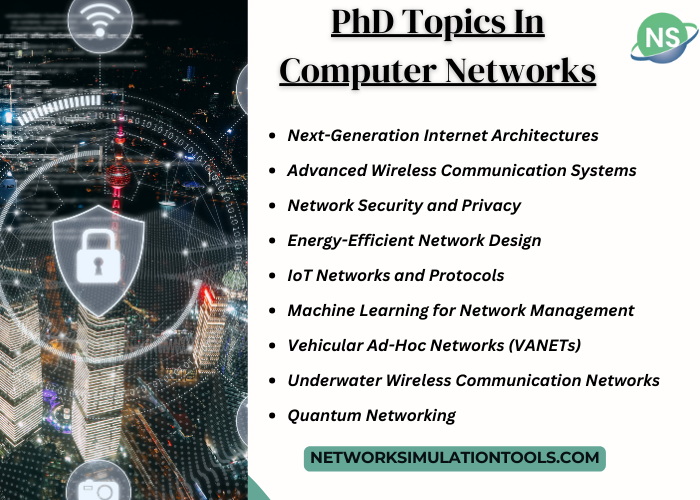
Unlocking Network Intelligence: Next Generation Machine Learning for Network Management
The digital landscape is evolving at an unprecedented pace, demanding networks that are not just fast, but also intelligent, adaptive, and resilient. As network infrastructures grow in complexity, traditional manual management methods are proving inadequate, leading to operational inefficiencies, security vulnerabilities, and slower response times. Enter next generation machine learning for network management – a paradigm shift that is revolutionizing how we design, operate, and secure our networks. This advanced application of artificial intelligence is no longer a futuristic concept; it’s an immediate necessity, enabling networks to learn, predict, and automate, thereby transforming reactive troubleshooting into proactive, self-optimizing systems. Dive into how cutting-edge ML techniques are forging the path for truly autonomous and highly efficient network operations, delivering unparalleled network resilience and operational excellence.
The Imperative for Intelligent Network Automation
Modern networks are characterized by hyper-connectivity, distributed architectures, and an explosion of data from diverse sources like IoT devices, cloud services, and 5G infrastructure. Managing this intricate web manually is akin to navigating a labyrinth blindfolded. The sheer volume of telemetry data, coupled with dynamic traffic patterns and evolving cyber threats, necessitates a more sophisticated approach. Network automation, while a significant step, often relies on predefined rules and scripts, which lack the adaptability required for novel scenarios or unknown anomalies. This is where next generation machine learning steps in, offering capabilities far beyond rule-based automation.
Machine learning algorithms can process vast datasets, identify subtle patterns, and make data-driven decisions in real-time, autonomously adapting to changes and optimizing performance. This shift from manual configuration and reactive problem-solving to an intelligent, predictive, and proactive framework is fundamental for maintaining competitive edge and ensuring service availability in the digital age. It’s about building networks that not only respond to issues but anticipate them, and even prevent them from occurring, significantly boosting operational efficiency.
Core Pillars of Next Generation ML in Networking
The application of machine learning in network management spans several sophisticated techniques, each contributing uniquely to enhancing network intelligence. These are not merely algorithms but foundational pillars that enable a new era of network autonomy.
Deep Learning for Complex Pattern Recognition
- Anomaly Detection: Deep neural networks (DNNs), especially Recurrent Neural Networks (RNNs) and Long Short-Term Memory (LSTM) networks, excel at processing time-series data from network logs, traffic flows, and performance metrics. They can learn normal network behavior patterns and accurately identify deviations that signify anomalies, such as unusual traffic spikes, malicious activities, or hardware failures. This capability is crucial for proactive anomaly detection before issues escalate.
- Traffic Classification and Prediction: Convolutional Neural Networks (CNNs) and DNNs can classify network traffic with high accuracy, distinguishing between various application types, prioritizing critical services, and identifying bandwidth hogs. They can also predict future traffic loads, enabling dynamic resource allocation and preventing congestion.
- Security Analytics: Deep learning models are highly effective in identifying sophisticated cyber threats, including zero-day attacks and advanced persistent threats (APTs), by analyzing network packet headers, payload data, and user behavior patterns that might indicate compromise.
Reinforcement Learning for Autonomous Optimization
Reinforcement Learning (RL) is perhaps the most exciting frontier for next generation machine learning for network management. Unlike supervised or unsupervised learning, RL agents learn by interacting with their environment, receiving rewards for desirable actions and penalties for undesirable ones. This makes RL ideal for dynamic, real-time optimization problems.
Consider its applications:
- Intelligent Traffic Management: RL agents can learn optimal routing policies in real-time, dynamically adjusting traffic paths to minimize latency, avoid congestion, and maximize throughput based on current network conditions. This is a game-changer for intelligent traffic management in complex, distributed networks.
- Resource Allocation: In cloud and 5G environments, RL can autonomously allocate compute, storage, and network resources to virtual machines or network slices, ensuring Service Level Agreements (SLAs) are met while optimizing resource utilization.
- Self-Healing Networks: RL algorithms can learn to identify network faults, diagnose their root causes, and autonomously initiate recovery actions, such as rerouting traffic, reconfiguring devices, or even provisioning new resources, leading to truly self-healing networks.
Graph Neural Networks (GNNs) for Network Topology
Networks are inherently graph-structured data. Graph Neural Networks (GNNs) are specifically designed to operate on such data, making them incredibly powerful for understanding network topology, relationships between devices, and propagation of events. GNNs can be used for:
- Fault Isolation: Pinpointing the exact location of a fault within a complex network graph.
- Security Vulnerability Mapping: Identifying propagation paths for malware or potential attack vectors across interconnected systems.
- Network Optimization: Discovering optimal configurations based on the entire network graph, rather than isolated segments.
Explainable AI (XAI) for Trust and Transparency
As ML models become more complex (e.g., deep learning), their decision-making processes can become opaque, often referred to as "black boxes." For critical applications like network management, understanding why a model made a particular decision is paramount for trust, debugging, and compliance. Explainable AI (XAI) techniques provide insights into model predictions, helping network operators validate ML actions, fine-tune models, and troubleshoot issues. This is essential for widespread adoption and confidence in AI-driven network operations.
Transformative Benefits of AI-Driven Network Operations
The integration of next generation machine learning for network management delivers a multitude of profound benefits that reshape traditional operational paradigms:
- Proactive Anomaly Detection and Predictive Maintenance: Moving beyond reactive troubleshooting, ML models can predict potential failures or performance degradations before they impact users. This enables network teams to perform predictive maintenance, replacing failing hardware or reconfiguring software proactively, significantly reducing downtime and improving service quality.
- Automated Resource Optimization: ML algorithms continuously monitor network conditions and dynamically adjust resources, whether it's bandwidth allocation, server capacity, or routing paths. This ensures optimal performance for critical applications while maximizing resource utilization and reducing operational costs.
- Enhanced Cybersecurity Posture: ML-powered systems can detect subtle indicators of compromise that human analysts might miss. They can identify anomalous user behavior, detect sophisticated malware, and even predict potential attack vectors, providing superior threat intelligence and enabling rapid response. This significantly strengthens overall cybersecurity.
- Intelligent Traffic Management and QoS Assurance: By understanding application requirements and real-time network conditions, ML can intelligently route traffic, prioritize critical services, and ensure Quality of Service (QoS) for sensitive applications like VoIP and video conferencing.
- Self-Healing and Self-Optimizing Networks: The ultimate goal is autonomous networks that can detect, diagnose, and resolve issues without human intervention. ML, particularly Reinforcement Learning, is key to achieving this vision, leading to highly resilient and agile infrastructures.
- Reduced Operational Costs: By automating routine tasks, optimizing resource usage, and preventing costly outages, ML significantly lowers the total cost of ownership for complex network infrastructures.
- Real-time Insights and Data-Driven Decision Making: ML transforms vast amounts of raw network data into actionable real-time insights, empowering network engineers and managers with a deeper understanding of their network's health and performance.
Practical Applications and Use Cases
The theoretical capabilities of next generation machine learning for network management translate into tangible, impactful applications across various network domains:
- AIOps Platforms: AIOps platforms are a prime example, integrating AI and ML capabilities across IT operations. They correlate alerts, perform root cause analysis, predict incidents, and automate remediation, providing a holistic view of network health and performance.
- Intent-Based Networking (IBN): ML fuels the intelligence behind IBN, allowing network administrators to define network behavior in high-level business terms (intent) rather than low-level configurations. ML algorithms then translate this intent into specific network policies and configurations, continuously ensuring the network operates according to the desired intent. Learn more about Intent-Based Networking.
- 5G Network Slicing Optimization: In 5G, network slicing allows for the creation of virtual, isolated network instances tailored for specific applications (e.g., IoT, enhanced mobile broadband). ML is crucial for dynamically optimizing these slices, allocating resources, and ensuring performance guarantees based on real-time demand and service requirements.
- Edge Computing Optimization: With the proliferation of edge devices, ML can optimize resource placement, data processing, and application delivery at the network edge, minimizing latency and maximizing efficiency for edge applications.
- Security Orchestration, Automation, and Response (SOAR): ML enhances SOAR platforms by intelligently prioritizing security alerts, automating threat hunting, and orchestrating rapid responses to cyber incidents, reducing the mean time to detect and respond (MTTD/MTTR).
Implementing Next Generation ML: Actionable Tips and Best Practices
Adopting next generation machine learning for network management requires a strategic approach. Here are key considerations for successful implementation:
- Data is King: High-quality, diverse, and clean data is the bedrock of any successful ML initiative. Invest in robust data collection, storage, and preprocessing pipelines. Ensure data from various sources (logs, flow data, performance metrics, device configurations) is integrated and standardized.
- Define Clear Objectives: Start with specific, well-defined problems you want ML to solve (e.g., "reduce network outages by 20%" or "automate root cause analysis for specific incidents"). Avoid vague goals.
- Begin with Incremental Steps: Don't try to automate everything at once. Start with smaller, manageable projects that demonstrate quick wins and build internal confidence. For example, begin with ML-driven anomaly detection before moving to full automation.
- Choose the Right Tools and Platforms: Evaluate AIOps platforms, open-source ML frameworks (e.g., TensorFlow, PyTorch), and cloud-based ML services. Consider solutions that offer explainability and integration with existing network infrastructure.
- Invest in Skill Development: Network engineers need to evolve their skill sets to include data science fundamentals, ML concepts, and familiarity with relevant tools. Foster collaboration between network teams and data scientists.
- Embrace Continuous Learning and Iteration: ML models are not "set it and forget it." They require continuous monitoring, retraining with new data, and performance tuning to adapt to evolving network conditions and threats.
- Prioritize Security and Privacy: Ensure that ML models and the data they consume are secured. Address data privacy concerns, especially when dealing with sensitive network traffic or user information.
- Focus on Explainability: As discussed, strive for transparency in ML models, especially for critical decisions. Implement XAI techniques to build trust and facilitate troubleshooting.
- Hybrid Approach: Initially, a human-in-the-loop approach is often best. Let ML suggest actions or flag anomalies, with human operators providing final approval or intervention, gradually increasing automation as confidence grows.
Frequently Asked Questions
What is AIOps and how does it relate to next generation machine learning for network management?
AIOps, or Artificial Intelligence for IT Operations, is a broad term referring to the application of AI, including next generation machine learning for network management, to automate and enhance IT operations functions. It acts as an umbrella that leverages big data, analytics, and ML to intelligently process vast amounts of operational data (logs, metrics, events, traces) from various IT infrastructure components, including networks. AIOps platforms use ML algorithms for pattern recognition, anomaly detection, correlation, and root cause analysis, moving IT teams from reactive to proactive problem-solving. Essentially, next generation machine learning is the core technological engine that powers the intelligent capabilities within an AIOps framework, specifically tailored for network-centric challenges like predictive analytics and automated remediation.
How does machine learning improve network security beyond traditional methods?
Machine learning significantly enhances network security by enabling the detection of sophisticated, evasive threats that often bypass traditional signature-based security systems. Unlike static rules or signatures, ML models can learn dynamic patterns of normal network behavior and user activity. This allows them to identify subtle deviations that indicate zero-day attacks, insider threats, polymorphic malware, and advanced persistent threats (APTs) in real-time. For instance, ML can detect unusual data exfiltration patterns, anomalous login attempts, or C2 (Command and Control) traffic that deviates from established baselines. Furthermore, ML-driven systems can prioritize alerts, reducing alert fatigue for security analysts, and even automate response actions, drastically improving the speed and effectiveness of cybersecurity defenses.
What are the main challenges in deploying next generation machine learning in existing network infrastructures?
Deploying next generation machine learning for network management in existing infrastructures presents several challenges. Firstly, data quality and availability are crucial; legacy systems might not provide the high-volume, high-fidelity, and consistent data required to train effective ML models. Data silos, inconsistent formats, and missing context can hinder performance. Secondly, model complexity and explainability pose hurdles; advanced deep learning or reinforcement learning models can be difficult to interpret, making it hard for network engineers to trust their decisions or troubleshoot when things go wrong. Thirdly, integration complexity is significant; seamlessly integrating new ML platforms with diverse existing network devices, monitoring tools, and orchestration systems can be a daunting task. Lastly, the talent gap is a major concern, as network engineers often lack the specialized data science and ML skills required to build, deploy, and maintain these sophisticated systems, necessitating significant upskilling or new hires.

0 Komentar