
Unlocking Agricultural Potential: IoT Devices for Monitoring Soil Temperature and Moisture
In the rapidly evolving landscape of modern agriculture, the quest for efficiency, sustainability, and increased yields is paramount. Farmers and agricultural professionals are constantly seeking innovative solutions to optimize resource management and enhance crop health. Enter the realm of IoT devices for monitoring soil temperature and moisture – a groundbreaking application of the Internet of Things that is revolutionizing how we understand and interact with the very foundation of our food supply. This comprehensive guide delves into the transformative power of these smart farming solutions, providing invaluable insights into their functionality, benefits, and practical implementation for unlocking unparalleled agricultural potential. Discover how real-time data from advanced sensor technology can lead to smarter decisions, reduced waste, and ultimately, more profitable and sustainable farming practices.
The Imperative of Precision: Why Soil Monitoring Matters
Understanding the precise conditions beneath the surface is no longer a luxury but a necessity for effective crop management. Soil temperature and moisture levels are two of the most critical environmental factors influencing plant growth, nutrient uptake, and overall crop yield. Traditional methods of manual measurement are often time-consuming, prone to human error, and lack the granularity required for truly optimized agricultural practices. This is where IoT devices for monitoring soil temperature and moisture step in, offering a paradigm shift towards data-driven agriculture.
Critical Role of Soil Temperature in Crop Health
- Seed Germination: Every crop has an optimal temperature range for successful germination. Too cold, and seeds may rot; too hot, and they might fail to sprout or sprout poorly. Accurate temperature monitoring ensures ideal planting times.
- Root Development: Soil temperature directly impacts root growth and activity, which in turn affects water and nutrient absorption. Suboptimal temperatures can stress plants, leading to stunted growth.
- Nutrient Availability: Microbial activity in the soil, crucial for nutrient cycling, is highly dependent on temperature. IoT sensors help maintain conditions conducive to healthy soil biology.
- Pest and Disease Management: Certain soil-borne pests and diseases thrive within specific temperature windows. Monitoring can provide early warnings and inform preventative measures.
The Unseen Influence of Soil Moisture
Water is the lifeblood of agriculture, yet its inefficient use remains a significant challenge globally. Over-irrigation wastes precious resources and can lead to nutrient leaching, while under-irrigation causes drought stress, severely impacting crop quality and quantity. IoT soil moisture sensors provide the granular data needed for precise water management.
- Water Uptake: Plants absorb water and dissolved nutrients through their roots. Maintaining optimal soil moisture ensures consistent access to these vital resources.
- Aeration: Proper moisture levels ensure adequate soil aeration, preventing waterlogging which can suffocate roots and promote anaerobic conditions detrimental to plant health.
- Nutrient Transport: Water acts as the primary medium for transporting nutrients within the soil and into the plant.
- Irrigation Scheduling: The most significant impact of real-time moisture data is the ability to implement dynamic, needs-based irrigation schedules, moving away from fixed, often wasteful, timers. This contributes directly to sustainable farming practices.
How IoT Devices Revolutionize Soil Monitoring
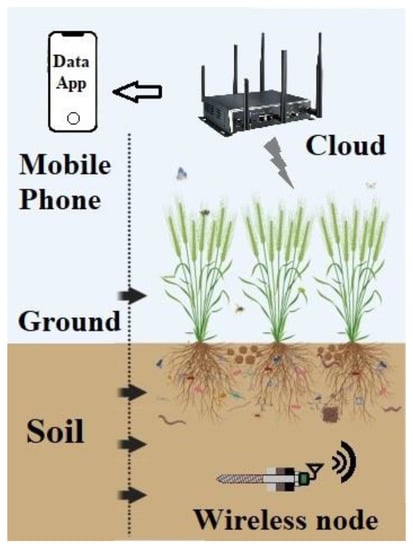
At their core, IoT devices for monitoring soil temperature and moisture comprise a network of specialized sensors, a communication module, and a data processing platform. These systems collect data continuously, transmit it wirelessly, and present it to farmers in an easily digestible format, often via mobile apps or web dashboards.
Core Components of an Agricultural IoT System
- Soil Sensors: These are the frontline components, directly interacting with the soil.
- Moisture Sensors: Typically use technologies like dielectric permittivity (capacitance or TDR/FDR) to measure volumetric water content.
- Temperature Sensors: Thermistors or thermocouples provide accurate temperature readings.
- Additional Sensors: Some advanced systems also include sensors for soil pH, electrical conductivity (EC), and nutrient levels, providing a holistic view of soil health.
- Connectivity Modules: These modules enable the sensors to communicate data wirelessly. Common technologies include:
- LoRaWAN: Long-range, low-power wide-area network ideal for vast agricultural fields.
- NB-IoT/LTE-M: Cellular-based IoT technologies offering broad coverage.
- Zigbee/Bluetooth: Shorter-range options suitable for smaller farms or specific zones.
- Wi-Fi: Limited by range but effective near farm buildings or with repeaters.
- Gateways: These devices receive data from multiple sensors and transmit it to a central cloud platform. They act as the bridge between the field and the internet.
- Cloud Platform & Data Analytics: Raw sensor data is sent to a cloud server where it is stored, processed, and analyzed. This is where the magic happens, transforming raw numbers into actionable insights. Data analytics algorithms can identify trends, predict needs, and even suggest irrigation schedules.
- User Interface: Farmers access their data through intuitive dashboards or mobile applications, receiving alerts, viewing historical trends, and managing their irrigation systems remotely. This allows for unparalleled precision agriculture.
Practical Applications and Actionable Benefits
The adoption of IoT devices for monitoring soil temperature and moisture translates into tangible benefits across various aspects of farm management, contributing significantly to crop yield optimization and resource efficiency.
Optimized Irrigation and Water Management
Perhaps the most immediate and impactful benefit is the ability to irrigate precisely when and where needed. By knowing the exact soil moisture content at different depths, farmers can:
- Reduce Water Consumption: Eliminate over-irrigation, leading to significant water savings and lower utility bills. This is crucial for water management in regions facing scarcity.
- Prevent Waterlogging: Avoid saturating the soil, which can deprive roots of oxygen and foster fungal diseases.
- Minimize Nutrient Leaching: Less excess water means fewer valuable nutrients are washed away from the root zone, improving fertilizer efficiency.
- Automated Irrigation Systems: Integrate IoT sensors with smart irrigation controllers to create fully automated, weather-responsive systems that turn on/off based on real-time soil conditions. This is a hallmark of smart farming solutions.
Enhanced Crop Health and Yield
Consistent, optimal soil conditions directly translate to healthier plants and higher yields.
- Stress Reduction: Plants are less likely to suffer from drought stress or waterlogging, allowing them to allocate more energy to growth and fruit production.
- Disease Prevention: By maintaining appropriate moisture levels, the risk of common soil-borne diseases that thrive in overly wet conditions is significantly reduced.
- Improved Nutrient Uptake: Ideal moisture and temperature facilitate efficient nutrient absorption, leading to stronger, more resilient plants.
- Optimized Planting and Harvesting: Accurate temperature data guides optimal planting times for specific crops, ensuring better germination rates and growth cycles.
Resource Efficiency and Cost Savings
Beyond water, these systems contribute to broader resource efficiency.
- Reduced Energy Costs: Less pumping for irrigation means lower electricity or fuel consumption.
- Labor Savings: Automated monitoring reduces the need for manual checks, freeing up valuable labor for other tasks.
- Fertilizer Optimization: By preventing nutrient leaching, less fertilizer is needed to achieve the same results, leading to cost savings and reduced environmental impact. This aligns with principles of sustainable agriculture.
Data-Driven Decision Making and Future Planning
The wealth of data collected by agricultural IoT sensors provides an invaluable historical record.
- Performance Analysis: Track how different irrigation strategies or weather patterns affect soil conditions and crop performance over time.
- Predictive Analytics: Leverage historical data to predict future water needs based on forecasts and growth stages.
- Benchmarking: Compare performance across different fields or crop varieties to identify best practices.
- Improved Planning: Make more informed decisions about crop rotation, planting density, and infrastructure investments.
Choosing the Right IoT Soil Monitoring System
With a growing market of IoT devices for monitoring soil temperature and moisture, selecting the appropriate system requires careful consideration of several factors.
Key Considerations for Implementation
- Farm Size and Topography: Large, undulating fields may require more sensors and robust long-range communication technologies like LoRaWAN. Smaller, flatter areas might be served by less extensive networks.
- Crop Type: Different crops have varying water and temperature requirements. Ensure the chosen sensors are accurate and sensitive enough for your specific crops.
- Soil Type: Soil texture (sandy, loamy, clay) affects water retention and movement. Some sensors perform better in specific soil types.
- Budget: Systems range from basic standalone units to comprehensive, integrated platforms. Consider the initial investment versus long-term savings and ROI.
- Connectivity Infrastructure: Assess available network coverage (cellular, Wi-Fi) in your farming area.
- Ease of Use and Scalability: Look for user-friendly interfaces and systems that can be easily expanded as your needs grow.
- Data Integration: Can the system integrate with other farm management software, weather stations, or automated irrigation controllers?
- Durability and Maintenance: Sensors need to withstand harsh outdoor conditions. Consider battery life and ease of sensor replacement.
Installation and Calibration Tips
- Strategic Placement: Install sensors at representative locations within a field, considering variations in soil type, elevation, and irrigation zones. Place sensors at different depths to monitor water movement through the root zone.
- Proper Installation: Ensure good soil-sensor contact to obtain accurate readings. Follow manufacturer guidelines precisely.
- Initial Calibration: Some sensors may require initial calibration to the specific soil type. This is a critical step for data accuracy.
- Regular Checks: Periodically verify sensor readings against manual measurements (if feasible) and check for physical damage or debris.
- Data Interpretation Training: Understand how to interpret the data provided by the system. Many providers offer training or support to help farmers leverage the insights.
The Future of Farming: Integrated Smart Systems
The true power of IoT devices for monitoring soil temperature and moisture lies in their potential for integration. As digital agriculture tools become more sophisticated, these sensors will form part of a larger ecosystem, connecting seamlessly with drones for aerial imaging, weather stations for hyper-local forecasts, and autonomous machinery for precision application.
Imagine a scenario where soil sensors detect low moisture, trigger an alert to the irrigation system, which then automatically activates only in the affected zones, while simultaneously updating a central farm management platform that tracks water usage against crop growth stages. This level of interconnectedness epitomizes agricultural IoT at its finest, driving unprecedented levels of efficiency and sustainability.
For those looking to adopt these technologies, consider exploring comprehensive platforms that offer not just soil monitoring but also integrate with other aspects of farm operations. Research providers like leading agricultural IoT platforms that offer robust data analytics and support for various sensor types. The move towards smart farming solutions is not just about technology; it's about building a resilient, resource-efficient, and profitable future for agriculture.
Frequently Asked Questions
What is the primary benefit of using IoT devices for soil monitoring?
The primary benefit of using IoT devices for monitoring soil temperature and moisture is the ability to achieve unprecedented levels of precision in agricultural management. This real-time, granular data enables farmers to optimize irrigation schedules, prevent water waste, reduce fertilizer runoff, and make informed decisions that lead to healthier crops, increased yields, and significant cost savings. It moves farming from traditional, often reactive methods to a proactive, data-driven approach, fostering sustainable farming practices.
How accurate are IoT soil moisture sensors compared to traditional methods?
Modern IoT soil moisture sensors, particularly those employing dielectric permittivity principles (like capacitance or TDR/FDR), are highly accurate and provide continuous data, unlike traditional manual methods which are often sporadic and subject to human variability. While calibration to specific soil types is important for optimal performance, these sensors offer superior consistency and the ability to detect subtle changes in soil water content that would be missed by conventional techniques. Their accuracy is critical for effective water management and avoiding both under- and over-irrigation.
Can IoT soil monitoring systems integrate with existing irrigation systems?
Yes, many advanced IoT devices for monitoring soil temperature and moisture are designed to integrate seamlessly with existing irrigation infrastructure. This integration often involves a smart irrigation controller that receives data from the soil sensors and automatically adjusts watering schedules and durations. This capability enables fully automated, responsive irrigation, significantly enhancing resource efficiency. Farmers should look for systems that support open communication protocols or offer specific integration modules for popular irrigation controller brands.
What is the typical battery life for wireless IoT soil sensors?
The typical battery life for wireless IoT soil sensors varies significantly based on the sensor's technology, data transmission frequency, and the type of wireless communication protocol used. Sensors utilizing low-power wide-area networks (LPWAN) like LoRaWAN or NB-IoT can often operate for several years (e.g., 2-5 years) on a single set of batteries due to their power-efficient design. Sensors transmitting data more frequently or using higher power protocols like Wi-Fi may require more frequent battery changes, potentially every few months to a year. Always check the manufacturer's specifications for estimated battery life and consider solar-powered options for extended operation.

0 Komentar