
The Ultimate Guide to IoT Platforms for Smart Building Automation Systems
The landscape of modern infrastructure is rapidly evolving, driven by the transformative power of the Internet of Things (IoT). At the forefront of this revolution are IoT platforms for building smart building automation systems, serving as the central nervous system for intelligent structures. These sophisticated platforms are not merely technological upgrades; they are fundamental enablers for creating truly responsive, efficient, and sustainable environments. This comprehensive guide will delve deep into how these platforms function, their unparalleled benefits, critical features, and strategic considerations for their successful implementation, ensuring your facility is optimized for the future.
The Dawn of Smart Buildings: Why IoT Platforms are Essential
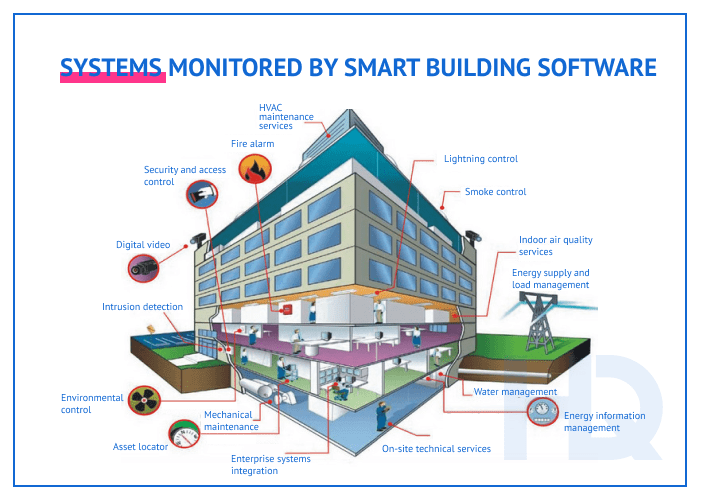
For decades, traditional Building Automation Systems (BAS) have managed core building functions like HVAC, lighting, and access control. While effective, these systems often operated in silos, limiting data exchange and holistic optimization. The advent of IoT has shattered these barriers, ushering in the era of smart buildings where every device, sensor, and system can communicate seamlessly. IoT platforms are the linchpins in this paradigm shift, providing the necessary infrastructure to collect, process, analyze, and act upon vast amounts of data generated within a building.
The need for these platforms stems from growing demands for enhanced energy efficiency, reduced operational costs, improved occupant comfort, and advanced security. Without a centralized, intelligent platform, achieving these objectives would be a fragmented, inefficient, and often impossible task. They facilitate a transition from reactive maintenance to predictive maintenance, from guesswork to data-driven decisions, and from isolated systems to a truly integrated ecosystem. This integration is crucial for modern facility management, allowing for unprecedented control and insight.
What Exactly is an IoT Platform for Building Automation?
An IoT platform for building automation is a software layer that connects diverse hardware devices (sensors, actuators, controllers) within a building, enabling them to communicate, share data, and be managed centrally. It acts as a middleware, abstracting the complexities of device heterogeneity and data protocols. Think of it as an operating system for your smart building, providing the tools and services required to build, deploy, and manage IoT applications.
Key components typically include:
- Device Connectivity & Management: Securely connects and manages a multitude of devices, regardless of their manufacturer or communication protocol (e.g., BACnet, Modbus, MQTT, Zigbee).
- Data Ingestion & Processing: Collects raw data from devices, filters, transforms, and stores it efficiently, often leveraging cloud platforms for scalability.
- Data Analytics & Visualization: Applies advanced analytics (including AI and machine learning) to identify patterns, anomalies, and actionable insights. Presents this data through intuitive dashboards and reports for smart building management.
- Application Enablement: Provides APIs and SDKs for developers to build custom applications and integrate with existing enterprise systems like ERP or CRM.
- Security & Access Control: Ensures data integrity, device authentication, and authorized access to the platform and connected devices.
These platforms empower building operators to move beyond simple automation to genuine intelligence, optimizing everything from lighting and HVAC to space utilization and security systems.
Unlocking Value: Key Benefits of IoT Platforms in Smart Buildings
Deploying a robust IoT platform for your smart building automation system offers a multitude of tangible benefits that impact every aspect of building operation and occupant experience:
- Superior Energy Optimization: Real-time monitoring of energy consumption across various systems (HVAC, lighting, plug loads) allows for immediate adjustments and identification of inefficiencies. Predictive algorithms can anticipate energy needs based on occupancy, weather forecasts, and historical data, leading to significant reductions in utility bills. This directly contributes to a building's sustainability goals.
- Enhanced Operational Efficiency: IoT platforms facilitate remote monitoring and control of building systems, reducing the need for on-site inspections. Predictive maintenance capabilities, driven by sensor data, allow for proactive identification of equipment malfunctions, minimizing downtime and extending asset lifespans. This streamlines facility management operations significantly.
- Improved Occupant Experience and Well-being: Smart buildings can offer personalized environments, adjusting lighting, temperature, and air quality based on individual preferences or occupancy levels. Features like smart navigation, automated access, and indoor air quality monitoring contribute to a safer, more comfortable, and productive environment for occupants.
- Cost Reduction: Beyond energy savings, IoT platforms reduce operational costs through optimized maintenance schedules, reduced equipment failures, and more efficient staff deployment. The ability to remotely diagnose issues often eliminates unnecessary service calls.
- Data-Driven Insights: The sheer volume of data collected provides unprecedented visibility into building performance. This sensor data, when analyzed, reveals patterns and opportunities for continuous improvement that were previously impossible to discern. Facility managers gain actionable intelligence to make informed decisions.
- Scalability and Flexibility: Modern IoT platforms are designed to be scalable, allowing buildings to start small and expand their smart capabilities over time by adding more devices and functionalities without a complete system overhaul. They offer the flexibility to adapt to evolving technological standards and business needs.
Core Features to Look for in an IoT Building Automation Platform
When evaluating IoT solutions for your smart building, certain features are non-negotiable for ensuring a successful, future-proof deployment:
Connectivity & Device Management
A robust platform must support a wide array of communication protocols (e.g., BACnet IP, Modbus TCP/IP, MQTT, CoAP, Zigbee, Z-Wave, LoRaWAN) to integrate diverse legacy and new devices. It should offer easy device onboarding, remote monitoring, and firmware updates. Look for features that allow for device grouping, rule-based control, and detailed device health monitoring.
Data Ingestion & Processing
The platform needs a highly scalable architecture capable of ingesting vast streams of sensor data in real-time. Edge computing capabilities are increasingly important, allowing data to be processed closer to the source, reducing latency and bandwidth requirements, especially for critical, real-time automation tasks. Data normalization and contextualization are key to making raw data usable.
Analytics & Visualization
This is where raw data transforms into actionable intelligence. Look for built-in AI and machine learning capabilities for anomaly detection, predictive analytics, and optimization algorithms. Customizable dashboards, historical data trending, and advanced reporting tools are essential for presenting complex data in an understandable format for smart building management.
Application Enablement & Integration
An open architecture with comprehensive APIs (Application Programming Interfaces) and SDKs (Software Development Kits) is vital. This allows for seamless integration with existing enterprise systems (e.g., ERP, CRM, CMMS) and the development of custom applications tailored to specific building needs. The ability to integrate with legacy building management systems (BMS) is often a critical requirement.
Security & Compliance
Given the sensitive nature of building data and control, security must be paramount. The platform should offer end-to-end encryption, robust authentication and authorization mechanisms, regular security audits, and compliance with relevant data privacy regulations (e.g., GDPR, CCPA). Device-level security, secure boot, and over-the-air (OTA) updates are also crucial.
Scalability & Reliability
A cloud-native or hybrid cloud architecture ensures the platform can scale to accommodate a growing number of devices and data points without performance degradation. High availability, disaster recovery protocols, and guaranteed uptime (SLA) are essential for maintaining continuous building operations.
Choosing the Right IoT Platform: A Strategic Approach
Selecting the ideal IoT platform for your smart building automation system is a critical strategic decision. It requires careful consideration beyond just technical specifications:
Assess Your Specific Needs & Goals
Before looking at platforms, clearly define your objectives. Are you primarily focused on energy efficiency, occupant comfort, operational cost reduction, or a combination? Understand your existing infrastructure, budget constraints, and the specific pain points you aim to solve. A detailed requirements analysis will narrow down your options significantly.
Evaluate Technical Capabilities
As detailed above, scrutinize the platform's ability to handle your specific device types, data volumes, and desired analytics. Pay close attention to its integration capabilities with your current systems and its support for open standards. Does it offer edge computing if real-time local processing is crucial?
Consider Vendor Ecosystem & Support
Research the vendor's reputation, market presence, and long-term vision. A strong ecosystem of partners, developers, and a responsive technical support team are invaluable. Look into their track record with similar projects and their commitment to ongoing updates and security patches. A vibrant community around the platform can also be a significant asset.
Prioritize Security & Data Governance
Understand the platform's security architecture and how it handles data privacy. Who owns the data generated by your building? What are the data retention policies? Ensure the platform aligns with your organization's cybersecurity policies and industry best practices.
Think Scalability & Future-Proofing
Your building's needs will evolve. Choose a platform that can grow with you. Does it support new technologies as they emerge? Can it easily integrate additional sensors and systems in the future without requiring a complete overhaul? A flexible and modular architecture is key for long-term viability.
Actionable Tip: Request detailed case studies from vendors that demonstrate successful deployments in similar building types or industries. This provides real-world validation of their platform's capabilities.
Implementing IoT Platforms for Smart Building Automation: Best Practices
Successful deployment of an IoT platform goes beyond just choosing the right technology. It requires a structured approach and adherence to best practices:
- Phased Rollout Strategy: Instead of a big-bang approach, consider a phased implementation. Start with a pilot project in a specific area or for a particular use case (e.g., HVAC optimization in a single zone). This allows you to learn, iterate, and demonstrate value before scaling across the entire building or portfolio.
- Comprehensive Data Strategy & Governance: Define clear policies for data collection, storage, security, and usage. What data is critical? How long should it be retained? Who has access? A well-defined data governance framework ensures data integrity and compliance.
- Cybersecurity from Day One: Integrate cybersecurity considerations into every stage of planning and deployment. This includes network segmentation, strong authentication, regular vulnerability assessments, and employee training on security best practices. Remember, a connected building is also a potential target.
- Stakeholder Buy-in & Training: Engage all relevant stakeholders early, including facility managers, IT personnel, building occupants, and senior management. Provide comprehensive training to ensure that operators understand how to use the platform effectively and leverage its full potential. User adoption is critical for ROI.
- Continuous Monitoring & Optimization: Smart buildings are dynamic. Continuously monitor platform performance, data accuracy, and system efficiency. Use the insights gained to fine-tune automation rules, optimize energy consumption, and improve occupant comfort. The platform should support ongoing iteration and improvement.
Addressing Challenges in IoT Platform Deployment
While the benefits are immense, deploying IoT platforms for smart buildings can present challenges:
- Data Interoperability and Legacy Systems: Integrating new IoT devices and platforms with existing, often proprietary, building management systems (BMS) and diverse legacy equipment can be complex. Standardized protocols and robust integration layers are essential.
- Cybersecurity Threats: The increased connectivity of smart buildings expands the attack surface. Protecting sensitive building data and operational controls from cyber threats requires constant vigilance, robust security measures, and proactive threat intelligence.
- Initial Investment Costs: The upfront cost of sensors, gateways, platform licenses, and integration services can be substantial. However, these costs are typically offset by long-term operational savings and improved asset value.
- Skill Gap: Managing and optimizing advanced IoT platforms requires specialized skills in areas like data analytics, network security, and application development. Organizations may need to invest in training or hire new talent.
The Future Landscape: Trends in Smart Building IoT Platforms
The evolution of IoT platforms for smart buildings is relentless, driven by advancements in AI, connectivity, and sustainability goals:
- AI-Powered Predictive Analytics: Expect more sophisticated AI and machine learning models embedded directly into platforms, enabling truly autonomous building operations, hyper-personalized occupant experiences, and advanced predictive maintenance.
- Digital Twins for Comprehensive Simulation: The integration of digital twin technology with IoT platforms will become more prevalent. A digital twin provides a virtual replica of a physical building, allowing for real-time monitoring, simulation of scenarios, and optimization of building performance before physical changes are made.
- Edge Computing for Reduced Latency: As real-time control becomes more critical, the role of edge computing will expand, processing data closer to the source to minimize latency and ensure immediate responses, especially for safety and critical operational systems.
- Increased Focus on Occupant Experience and Well-being: Future platforms will prioritize human-centric design, leveraging IoT data to create healthier, more comfortable, and highly personalized indoor environments, impacting productivity and satisfaction.
- Sustainability and Energy Efficiency as Drivers: With growing environmental concerns and regulations, IoT platforms will continue to be central to achieving net-zero energy buildings, optimizing resource consumption, and providing granular reporting on environmental impact.
The journey towards truly intelligent buildings is ongoing, and IoT platforms for building smart building automation systems are the indispensable architects of this future. By carefully planning, implementing, and optimizing these technologies, organizations can unlock unprecedented levels of efficiency, sustainability, and occupant satisfaction.
Frequently Asked Questions
What is the difference between an IoT platform and a traditional BMS?
A traditional Building Management System (BMS) typically manages a specific set of building services (HVAC, lighting, access control) often using proprietary protocols and operating in silos. An IoT platform, however, is a more open, scalable, and flexible software layer designed to connect a vast array of diverse devices and sensors (beyond traditional building systems), ingest and analyze large volumes of data, and enable cross-system integration. It provides a holistic view and advanced analytics that a legacy BMS often lacks, facilitating truly intelligent smart building management.
How secure are IoT platforms for building automation?
The security of IoT platforms for building automation is a paramount concern. Reputable platforms incorporate multi-layered security measures, including end-to-end data encryption, robust authentication and authorization protocols, regular vulnerability assessments, and compliance with industry security standards. However, security is a shared responsibility; proper implementation, network segmentation, strong password policies, and continuous monitoring by the building owner are equally critical to prevent cyber threats and ensure data integrity.
What are the typical costs associated with implementing an IoT platform for smart buildings?
The costs can vary widely depending on the building's size, complexity, desired features, and the chosen platform. They typically include hardware (sensors, gateways), software licenses (platform fees, often subscription-based), installation and integration services, and ongoing maintenance and support. While the initial investment can be significant, the long-term return on investment (ROI) often comes from substantial savings in energy efficiency, reduced operational costs, and improved asset lifespan.
Can an IoT platform integrate with existing legacy building systems?
Yes, one of the key strengths of a good IoT platform is its ability to integrate with existing legacy building systems, including older building management systems (BMS). This is typically achieved through support for various industry-standard protocols (like BACnet, Modbus) or by using API connectors and middleware solutions. This allows building owners to leverage their existing infrastructure while gradually modernizing and enhancing their automation capabilities without a complete rip-and-replace approach.
How do IoT platforms contribute to energy efficiency in smart buildings?
IoT platforms contribute significantly to energy efficiency by providing real-time, granular data on energy consumption across all building systems. This data, combined with advanced analytics and AI, allows for: 1) identification of energy waste, 2) dynamic optimization of HVAC and lighting based on occupancy and environmental conditions, 3) predictive scheduling of equipment, and 4) automated fault detection that prevents energy-guzzling malfunctions. This leads to substantial reductions in utility bills and a lower carbon footprint for the building.

0 Komentar