
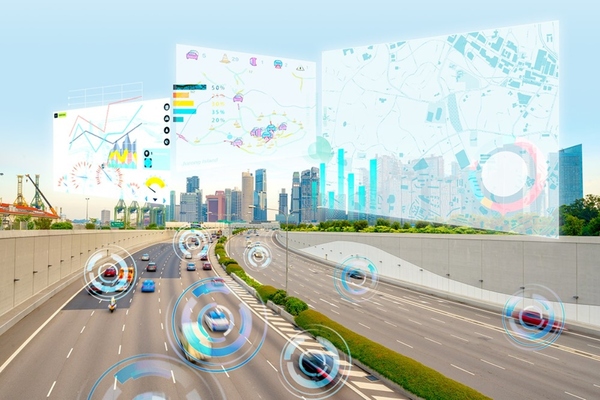
The Future of Travel: How AI-Driven Autonomous Transportation & Intelligent MaaS Will Transform Mobility by 2025
Prepare for a paradigm shift in how we move. The year 2025 is rapidly approaching, and with it, the undeniable emergence of AI-driven autonomous transportation networks and sophisticated intelligent mobility as a service (MaaS) offerings. This revolutionary convergence promises to fundamentally reshape our urban landscapes, travel patterns, and daily lives, moving beyond mere self-driving cars to integrated, efficient, and personalized mobility ecosystems. This comprehensive guide delves into how artificial intelligence and advanced autonomous systems are creating a future where seamless, sustainable, and on-demand travel is not just a concept, but a tangible reality for millions. Discover the innovations, challenges, and immense potential of this transformative era in transportation.
The Dawn of AI-Driven Autonomous Transportation Networks
The vision of driverless vehicles navigating our streets is rapidly maturing, evolving from experimental prototypes to foundational components of future transportation. At the heart of this evolution lies artificial intelligence, serving as the central nervous system for these complex systems. AI algorithms enable autonomous vehicles (AVs) to perceive their surroundings, predict behaviors of other road users, make real-time decisions, and learn from every mile driven. By 2025, we anticipate significant strides in the deployment of Level 4 autonomy in geo-fenced areas, laying the groundwork for expansive autonomous transportation networks.
Core Pillars of Autonomous Networks
- AI & Machine Learning for Predictive Analytics: Beyond basic navigation, AI leverages vast datasets to predict traffic congestion, optimize routes dynamically, and even anticipate maintenance needs for vehicle fleets. This proactive approach minimizes delays and maximizes efficiency across the entire network. Think of it as a city-wide brain constantly learning and adapting.
- Advanced Sensor Fusion & Perception: Autonomous vehicles rely on an intricate array of sensors—Lidar, radar, cameras, ultrasonic—that feed data to AI systems. Sensor fusion combines this diverse input to create a robust, 360-degree understanding of the environment, crucial for safe operation in varying conditions. This technology is becoming increasingly sophisticated, enhancing reliability.
- Vehicle-to-Everything (V2X) Communication & Connectivity: The true power of an autonomous network emerges when vehicles can communicate not only with each other (V2V) but also with infrastructure (V2I), pedestrians (V2P), and the network itself (V2N). This digital infrastructure allows for real-time data exchange, enabling coordinated movements, preventing accidents, and optimizing traffic flow across smart cities.
- Digital Twin Technology for Urban Planning: Creating virtual replicas of urban environments allows city planners and developers to simulate the impact of autonomous fleets and new mobility solutions before physical implementation. This enables iterative testing, optimization of infrastructure, and informed decision-making regarding traffic management and resource allocation for urban mobility.
Intelligent Mobility-as-a-Service (MaaS) Offerings: Reshaping Travel
While autonomous vehicles address the "how" of future travel, Mobility-as-a-Service (MaaS) addresses the "what" and "why." MaaS represents a paradigm shift from privately owned vehicles to a seamless, integrated platform where various transportation options—public transit, ride-sharing, bike-sharing, autonomous shuttles, micro-mobility—are accessible through a single application. By 2025, MaaS will be heavily influenced by AI and autonomous capabilities, offering unprecedented levels of convenience, personalization, and efficiency for users.
Key MaaS Innovations for 2025
- Subscription Models & Dynamic Pricing: Expect flexible subscription packages that bundle different modes of transport based on individual needs and usage patterns. AI-driven dynamic pricing will adjust costs in real-time based on demand, supply, and even environmental factors, incentivizing the most efficient travel choices. This will make personalized travel more affordable and accessible.
- Seamless Multimodal Journeys: MaaS platforms will integrate autonomous last-mile solutions with existing public transportation networks. Imagine an app that calculates the fastest, most sustainable, or most cost-effective route, seamlessly combining an autonomous shuttle ride to a metro station, followed by an e-scooter for the final leg. This integration reduces friction and encourages the use of diverse transport options.
- Last-Mile Delivery Optimization: Autonomous vehicles and drones will play an increasing role in optimizing logistics and delivery services, especially for the "last mile." This will not only reduce delivery costs and times but also alleviate urban congestion caused by traditional delivery fleets, contributing to more efficient urban logistics.
- Accessibility and Inclusivity: Intelligent MaaS solutions have the potential to significantly enhance mobility for underserved populations, including the elderly, disabled, and those without private vehicle access. On-demand autonomous services can provide door-to-door transport, breaking down geographical barriers and fostering greater social equity in sustainable transportation.
- Predictive Demand & Supply Balancing: AI will analyze historical data, real-time events, and even social media trends to predict mobility demand spikes and dips. This allows MaaS operators to proactively rebalance their fleet of autonomous vehicles and other transport assets, ensuring availability when and where it's needed most, leading to superior user experience.
Transformative Impact on Urban Landscapes and Travel Patterns
The integration of AI-driven autonomous transportation and intelligent MaaS will catalyze profound changes in our cities and how we interact with them. The shift away from individual car ownership towards shared, on-demand autonomous fleets will free up valuable urban real estate and redefine infrastructure needs.
Reimagining Urban Spaces and Infrastructure
The implications for city planning are immense. With fewer privately owned cars, the demand for traditional parking spaces will drastically diminish. This presents an unprecedented opportunity to reclaim vast swathes of urban land for green spaces, housing, pedestrian zones, or community facilities. Urban planners are already exploring concepts like "mobility hubs" – integrated points where various autonomous and traditional transport modes converge, complete with amenities and services. The focus will shift from road expansion to optimizing existing infrastructure for efficient flow of connected vehicles and fostering multimodal connectivity. This requires significant investment in digital infrastructure and smart city technologies to support the V2X communication backbone.
Economic Implications & New Business Models
The transformation will spawn entirely new industries and business models. Traditional automotive manufacturers are evolving into mobility service providers. New players in software, data analytics, cybersecurity, and fleet management will emerge. The "ownership" economy will increasingly give way to the "access" economy, with profound implications for vehicle manufacturing, insurance, and maintenance sectors. This shift also creates opportunities for local businesses to integrate with MaaS platforms, offering tailored services to users in transit or at mobility hubs. The rise of on-demand services powered by AI will unlock new economic efficiencies.
Enhanced Safety and Efficiency
One of the most compelling benefits of autonomous networks is the potential for vastly improved safety. Human error accounts for over 90% of road accidents. AI-driven systems, with their superior perception, rapid reaction times, and adherence to rules, promise a significant reduction in collisions, injuries, and fatalities. Furthermore, optimized routing, coordinated traffic flow, and reduced idling times will lead to substantial improvements in energy efficiency and a decrease in urban emissions, contributing significantly to sustainable urban development and environmental goals. The data generated by these networks will provide unprecedented insights for ongoing optimization and continuous improvement in transportation efficiency.
Addressing the Challenges and Paving the Way Forward
While the promise is immense, the journey to widespread adoption of AI-driven autonomous transportation and MaaS is not without its hurdles. Addressing these challenges proactively is crucial for a smooth and equitable transition.
Regulatory Frameworks & Legal Hurdles
Existing laws and regulations were not designed for autonomous vehicles. Governments worldwide are grappling with questions of liability in accidents involving AVs, data governance, cybersecurity, and the certification standards for autonomous technology. Developing harmonized international and national regulatory frameworks is paramount to fostering innovation while ensuring public safety and trust. This requires agile policy-making that can adapt to rapidly evolving technology, often through public-private partnerships to leverage industry expertise.
Cybersecurity & Data Privacy Concerns
An interconnected network of autonomous vehicles and MaaS platforms represents a vast target for cyberattacks. Protecting these systems from hacking, data breaches, or malicious interference is critical for public safety and trust. Simultaneously, the sheer volume of personal mobility data collected by MaaS platforms raises significant privacy concerns. Robust encryption, secure data protocols, and clear privacy policies will be essential to build and maintain user confidence. The development of ethical AI guidelines for data usage is also a key consideration.
Public Acceptance & Ethical Considerations
Despite the benefits, public apprehension about autonomous technology remains. Building trust requires transparent testing, clear communication about safety features, and addressing concerns about job displacement in sectors like trucking and taxi services. Furthermore, the ethical dilemmas inherent in autonomous decision-making (e.g., "trolley problem" scenarios) need careful consideration and societal consensus. Engaging communities and fostering open dialogue will be vital for widespread adoption.
Infrastructure Investment & Digital Transformation
The full potential of autonomous networks relies on robust physical and digital infrastructure. This includes upgrading road markings, deploying V2X communication infrastructure, and ensuring reliable high-speed connectivity across urban and potentially rural areas. Significant public and private investment will be required to build out this foundational layer. City governments must prioritize digital transformation initiatives to prepare their existing systems for integration with intelligent mobility solutions.
Actionable Strategies for Stakeholders
Achieving the vision of a truly transformative mobility future by 2025 requires concerted effort from diverse stakeholders.
For City Planners & Governments
- Develop Forward-Looking Policy: Create adaptable regulatory sandboxes for testing autonomous technologies and MaaS models. Prioritize policies that encourage multimodal integration and discourage single-occupancy vehicle use.
- Invest in Smart Infrastructure: Allocate resources for V2X communication deployment, high-definition mapping, and smart traffic management systems. Consider repurposing parking lots for new urban developments or mobility hubs.
- Foster Public Engagement: Educate citizens about the benefits and safety of autonomous transportation. Involve communities in the planning process for new mobility services to address concerns and build trust. Explore partnerships for "learn more about sustainable urban planning" initiatives.
For Technology Developers & Innovators
- Prioritize Safety & Redundancy: Focus on developing fail-safe systems and robust cybersecurity measures. Continuous rigorous testing and validation are non-negotiable.
- Embrace Interoperability: Design systems and platforms that can seamlessly integrate with various vehicle types, data formats, and existing infrastructure. Open standards will accelerate adoption.
- Focus on User-Centric Design: Develop intuitive MaaS applications that simplify complex travel decisions and offer personalized experiences. Consider the diverse needs of all potential users. Explore our guide on "user experience in mobility apps."
For Consumers & Early Adopters
- Stay Informed: Keep abreast of developments in autonomous technology and local MaaS initiatives. Understand the benefits and how these services can enhance your daily travel.
- Provide Feedback: As early services roll out, actively participate in pilot programs and provide constructive feedback to developers and operators. Your input is invaluable for refining these systems.
- Explore New Options: Be open to trying new modes of transportation and MaaS offerings. Embrace the shift from car ownership to accessing mobility as a service for greater convenience and sustainability.
Frequently Asked Questions
How will AI transform public transportation by 2025?
By 2025, AI will significantly enhance public transportation through predictive analytics for route optimization and scheduling, reducing wait times and improving efficiency. AI-powered intelligent traffic management systems will prioritize public transit vehicles, while autonomous shuttles will increasingly serve as first-mile/last-mile solutions, seamlessly connecting riders to main transit lines. This will lead to more reliable, responsive, and ultimately more attractive public transport options, complementing large-scale autonomous networks.
What are the key benefits of Mobility-as-a-Service (MaaS) in autonomous networks?
The key benefits of MaaS in autonomous networks include unparalleled convenience through integrated booking and payment for all transport modes, enhanced efficiency from optimized routing and reduced congestion, and increased accessibility for a wider range of users. It also promotes sustainable transportation by reducing reliance on private vehicles, lowering emissions, and maximizing vehicle utilization, leading to a more efficient and environmentally friendly urban mobility ecosystem.
What challenges need to be addressed for widespread adoption of AI-driven autonomous transportation?
Widespread adoption of AI-driven autonomous transportation faces several critical challenges: establishing clear and consistent regulatory frameworks for liability and operation; ensuring robust cybersecurity to protect interconnected systems; overcoming public acceptance hurdles through education and demonstrated safety; and securing substantial investment for essential digital and physical infrastructure upgrades. Addressing these complex issues requires collaborative efforts across governments, industry, and academia.
How will urban infrastructure adapt to autonomous vehicles?
Urban infrastructure will adapt by integrating V2X communication technology, upgrading road markings and signage for machine readability, and implementing smart traffic light systems that communicate with autonomous vehicles. Cities will also explore repurposing parking spaces into green areas or new developments, and developing "mobility hubs" that facilitate seamless transfers between autonomous shuttles, public transit, and micro-mobility options, fundamentally reshaping smart city planning.

0 Komentar