
Complete Guide
The modern supply chain is a complex, global web, constantly challenged by unpredictable events, rising customer expectations, and the relentless pressure for efficiency. In this demanding landscape, achieving true supply chain visibility is not just an advantage; it’s a non-negotiable imperative. Enter IoT enabled supply chain management real time tracking – a paradigm shift that promises to transform opaque, reactive operations into transparent, proactive, and highly responsive ecosystems. This comprehensive guide will delve deep into how the Internet of Things (IoT) is empowering businesses to gain unprecedented insights into their goods in transit, revolutionizing everything from inventory accuracy to customer satisfaction. If you’re looking to unlock the full potential of your logistics operations and achieve a competitive edge, understanding the power of real-time IoT tracking is your first critical step towards true digital transformation.
The Imperative for Real-Time Visibility in Modern Logistics
For decades, supply chain operations have grappled with significant blind spots. Once goods left the warehouse, their exact location, condition, and estimated time of arrival often remained a mystery until they reached the next checkpoint. This lack of granular visibility led to a cascade of problems: delayed deliveries, lost or damaged shipments, inefficient routing, poor inventory control, and a constant struggle to respond effectively to disruptions. Businesses operating without real-time data were essentially flying blind, relying on outdated information and manual updates that provided little more than a snapshot of a constantly moving target.
The consequences are far-reaching. Imagine a pharmaceutical company needing to transport temperature-sensitive vaccines, or a high-tech manufacturer relying on just-in-time delivery of critical components. Without precise, up-to-the-minute information on location and environmental conditions, the risk of spoilage, theft, or production line shutdowns skyrockets. This is where IoT enabled supply chain management real time tracking emerges as the ultimate solution, providing the eyes and ears necessary to monitor every pulse of the supply chain heartbeat.
Understanding IoT Enabled Real-Time Tracking
At its core, IoT enabled real-time tracking involves integrating a network of physical devices – sensors, tags, and smart devices – into the supply chain. These devices are equipped with connectivity, allowing them to collect and transmit data continuously over the internet. This data, once collected, is then processed, analyzed, and presented to supply chain managers through intuitive dashboards, providing actionable insights.
Key Components of an IoT Tracking System:
- Sensors: These are the workhorses of the IoT system. They can monitor a vast array of parameters, including GPS location, temperature, humidity, light exposure, shock/vibration, pressure, and even chemical levels. For instance, a cold chain monitoring sensor can alert handlers if a refrigerated container’s temperature deviates from the required range.
- Connectivity: Data collected by sensors needs to be transmitted. This is achieved through various connectivity options like cellular (2G, 3G, 4G, 5G), Wi-Fi, Bluetooth, LoRaWAN, NB-IoT, and satellite communications. The choice depends on range, power consumption, and data volume requirements.
- Gateways/Edge Devices: These devices act as intermediaries, collecting data from multiple sensors and transmitting it to the cloud or a central server. They often perform some initial data processing at the "edge" of the network, reducing latency and bandwidth usage.
- Cloud Platform & Data Analytics: Raw data from sensors is sent to a cloud-based platform where it is stored, processed, and analyzed. Advanced analytics, including predictive analytics and machine learning algorithms, can identify patterns, forecast potential issues, and trigger alerts.
- User Interface/Dashboard: This is where supply chain managers visualize the data. Intuitive dashboards provide real-time maps showing asset locations, condition reports, alerts for anomalies, and historical data for performance analysis.
The synergy of these components creates a powerful ecosystem that transforms static data points into dynamic, actionable intelligence, fundamentally changing how businesses approach logistics optimization.
Transformative Benefits of IoT Real-Time Tracking
Adopting IoT enabled supply chain management real time tracking delivers a multitude of tangible benefits that directly impact profitability, efficiency, and customer satisfaction.
1. Unprecedented Supply Chain Visibility and Traceability
With IoT, businesses gain end-to-end visibility. They can track individual items, pallets, or containers from the moment they leave the factory to their final destination. This level of granularity means knowing exactly where every asset is, whether it's in a warehouse, on a truck, or in transit across oceans. This enhanced supply chain visibility is crucial for compliance, quality assurance, and dispute resolution.
2. Proactive Risk Mitigation and Anomaly Detection
IoT sensors provide immediate alerts for deviations from predefined parameters. If a shipment is rerouted unexpectedly, a cold chain breaks, or a package experiences excessive shock, managers are notified instantly. This allows for rapid intervention, enabling businesses to prevent damage, avoid spoilage, or reroute shipments to mitigate delays. This proactive approach significantly reduces financial losses and strengthens risk mitigation strategies.
3. Optimized Inventory Management
Real-time tracking of goods in transit contributes directly to more accurate inventory management. Knowing exactly when shipments will arrive allows warehouses to prepare for incoming stock, reducing idle time and optimizing storage space. It also minimizes the need for buffer stock, leading to lower carrying costs and improved cash flow. This is particularly valuable for businesses with multiple distribution centers or complex global networks.
4. Enhanced Operational Efficiency and Cost Reduction
By providing precise location data, IoT helps optimize routes, reduce fuel consumption, and improve delivery schedules. It minimizes instances of lost or misplaced inventory, reduces theft, and decreases insurance claims. Automated data collection also reduces manual errors and administrative overhead, leading to significant improvements in overall operational efficiency. For instance, dynamic routing based on real-time traffic and delivery progress can save substantial time and money.
5. Improved Customer Satisfaction
In today's e-commerce driven world, customers expect transparency. Real-time tracking allows businesses to provide accurate delivery estimates and proactive updates, reducing "where is my order?" inquiries. This transparency builds trust and enhances the overall customer experience, leading to greater loyalty. Imagine a customer receiving a notification that their package is exactly 10 minutes away – that’s the power of last-mile delivery optimization enabled by IoT.
6. Better Compliance and Regulatory Adherence
For industries like pharmaceuticals, food and beverage, or chemicals, maintaining specific conditions (e.g., temperature, humidity) during transit is a regulatory requirement. IoT systems provide an immutable record of these conditions, demonstrating compliance and simplifying audits. This is vital for maintaining product integrity and avoiding hefty fines.
Practical Applications and Use Cases
The versatility of IoT enabled supply chain management real time tracking extends across various industry sectors and specific logistical challenges.
a. High-Value Asset Tracking
For expensive equipment, sensitive electronics, or critical machinery, precise asset tracking ensures their security and condition. IoT sensors can detect unauthorized movement, tampering, or environmental stressors, providing immediate alerts and helping recover stolen assets. This is critical for construction companies, medical device manufacturers, and IT firms.
b. Cold Chain Monitoring
The integrity of perishable goods like food, pharmaceuticals, and certain chemicals depends entirely on maintaining specific temperature ranges. IoT temperature and humidity sensors provide continuous monitoring, alerting stakeholders if conditions deviate, thus preventing spoilage and ensuring product safety. This is a cornerstone of effective cold chain monitoring.
c. Smart Warehousing and Inventory Optimization
Within warehouses, IoT sensors can track the movement of goods, forklifts, and personnel, optimizing workflows and improving safety. Automated inventory counts using RFID and IoT-enabled drones can provide real-time stock levels, reducing manual errors and improving order fulfillment accuracy. This paves the way for truly smart warehousing operations.
d. Fleet Management and Last-Mile Delivery
GPS-enabled IoT devices in vehicles provide real-time location, speed, and even driver behavior data. This allows for dynamic route optimization, efficient dispatching, and improved delivery times, especially for the challenging last-mile delivery segment. Businesses can monitor vehicle performance, schedule preventative maintenance, and reduce operational costs.
e. Predictive Maintenance for Logistics Assets
Beyond tracking goods, IoT sensors can monitor the health of logistics assets themselves – trucks, forklifts, cranes, and conveyor systems. By analyzing data on engine performance, tire pressure, or operational hours, businesses can predict equipment failures and schedule maintenance proactively, minimizing costly downtime and extending asset lifespan.
Implementing IoT for Real-Time Tracking: A Strategic Approach
Adopting an IoT real-time tracking solution requires careful planning and execution. It's not just about deploying sensors; it's about integrating data, processes, and people.
- Define Clear Objectives: Start by identifying specific pain points and desired outcomes. Are you aiming to reduce spoilage, improve delivery times, or enhance security? Clear objectives will guide technology selection and implementation.
- Assess Infrastructure: Evaluate your existing IT infrastructure, connectivity options, and data management capabilities. Determine what upgrades or new systems might be needed to support IoT data flow.
- Select Appropriate Technology: This involves choosing the right sensor technology (GPS, RFID, temperature, etc.), connectivity protocols (LoRaWAN, 5G, satellite), and a robust IoT platform capable of handling data volume and analytics. Consider battery life, sensor accuracy, and environmental resilience.
- Pilot Program: Begin with a small-scale pilot project. This allows you to test the solution in a controlled environment, identify potential challenges, and fine-tune the system before a full-scale rollout.
- Data Integration and Analytics: Integrate IoT data with existing enterprise systems like ERP, WMS, and TMS. Leverage advanced analytics, including predictive analytics, to transform raw data into actionable insights, identify trends, and automate alerts.
- Cybersecurity Measures: IoT deployments introduce new attack vectors. Implement robust cybersecurity protocols, including data encryption, secure authentication, and regular vulnerability assessments, to protect sensitive supply chain data.
- Training and Change Management: Ensure your team is adequately trained to use the new systems and understand the benefits. Effective change management is crucial for successful adoption and maximizing ROI.
Overcoming Challenges in IoT Deployment
While the benefits are compelling, implementing IoT enabled supply chain management real time tracking is not without its hurdles. Businesses must address:
- Cost and ROI: Initial investment in hardware, software, and integration can be substantial. A clear ROI calculation and phased deployment can help manage costs.
- Data Overload and Integration: IoT generates massive amounts of data. Ensuring this data is relevant, clean, and integrated seamlessly with existing systems is critical to avoid data silos and ensure meaningful insights.
- Connectivity Issues: Reliable connectivity across diverse geographical areas (urban, rural, international) can be challenging. A multi-connectivity strategy is often required.
- Security and Privacy: Protecting sensitive supply chain data from cyber threats and ensuring compliance with data privacy regulations is paramount.
- Scalability: The chosen solution must be scalable to accommodate future growth and increasing data volumes without compromising performance.
The Future: AI, Blockchain, and Hyper-Automation
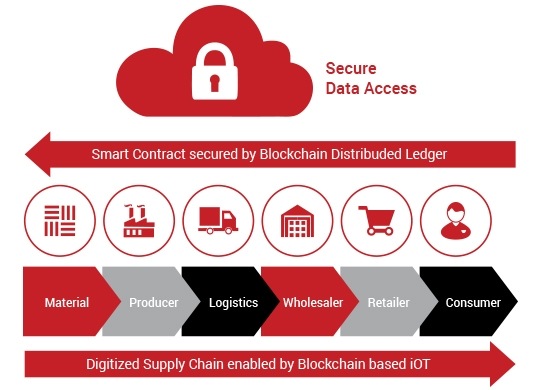
The evolution of IoT enabled supply chain management real time tracking is far from over. Future advancements will see deeper integration with Artificial Intelligence (AI) and Machine Learning (ML) for more sophisticated predictive analytics, enabling truly autonomous decision-making in logistics. Blockchain technology offers the potential for immutable, transparent records of every transaction and movement, enhancing trust and auditability across the entire supply chain network.
Furthermore, the convergence of IoT with robotic process automation (RPA) and autonomous vehicles will lead to hyper-automated supply chains where goods move seamlessly from origin to destination with minimal human intervention, guided by real-time data and intelligent algorithms. This continued digital transformation promises even greater efficiencies, resilience, and responsiveness for global supply chains.
Frequently Asked Questions
What is the primary benefit of IoT in supply chain management?
The primary benefit of IoT in supply chain management is achieving unparalleled real-time supply chain visibility. By leveraging sensors and connectivity, businesses gain immediate, precise insights into the location, condition, and status of goods, assets, and vehicles across the entire logistics network. This transparency enables proactive decision-making, significantly reduces risks, and improves overall operational efficiency, moving beyond traditional, reactive approaches to logistics.
How does IoT real-time tracking improve inventory management?
IoT real-time tracking dramatically improves inventory management by providing accurate, up-to-the-minute data on stock levels, goods in transit, and arrival times. This eliminates manual counting errors, reduces the need for excessive safety stock, and optimizes warehouse space utilization. Knowing precisely where every item is, whether on a shelf or en route, enables businesses to fulfill orders faster, reduce carrying costs, and prevent stockouts or overstocking, leading to more efficient inventory turnover.
Can IoT help with cold chain monitoring for perishable goods?
Absolutely. IoT is indispensable for cold chain monitoring. Specialized temperature and humidity sensors placed with perishable goods (like food, pharmaceuticals, or chemicals) continuously collect environmental data. This data is transmitted in real-time, allowing supply chain managers to receive instant alerts if conditions deviate from required ranges. This proactive alerting ensures product integrity, prevents spoilage, helps maintain regulatory compliance, and significantly reduces financial losses associated with temperature excursions.
What are the key challenges when implementing IoT for supply chain tracking?
Implementing IoT enabled supply chain management real time tracking can present several challenges. Key hurdles include the initial investment cost for hardware and software, ensuring seamless data integration with existing legacy systems, managing the vast volume of data generated, and establishing reliable connectivity across diverse geographical areas. Furthermore, robust cybersecurity measures are crucial to protect sensitive supply chain data, and ensuring scalability for future growth is vital to maximize the long-term return on investment.

0 Komentar