
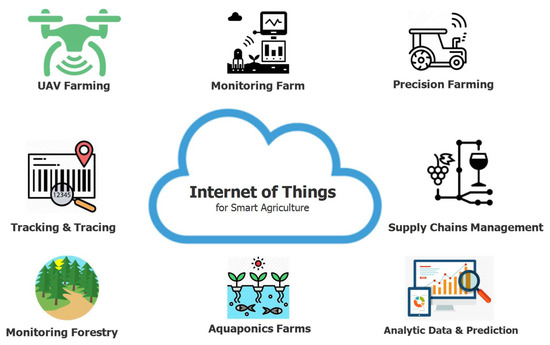
Revolutionizing Harvests: IoT Applications in Smart Agriculture Yield Prediction
The agricultural landscape is undergoing a profound transformation, moving from traditional practices to a new era of digital intelligence. At the forefront of this revolution are IoT applications in smart agriculture yield prediction, offering unprecedented insights and control over farming operations. This comprehensive guide delves into how the Internet of Things (IoT) is empowering farmers to forecast harvests with remarkable accuracy, optimize resource utilization, and significantly boost agricultural productivity. By leveraging cutting-edge sensor technology, advanced data analytics, and machine learning, smart agriculture is not just a concept but a tangible reality, promising a sustainable and profitable future for global food production. Prepare to discover the intricate mechanisms and transformative impact of connected farm ecosystems on yield forecasting.
The Imperative for Predictive Agriculture: Why IoT is Critical
In an era marked by climate volatility, increasing global food demand, and dwindling natural resources, traditional farming methods often fall short. Farmers face immense pressure to maximize output while minimizing environmental impact and operational costs. This is where predictive agriculture, powered by IoT, steps in as a game-changer. Historically, yield prediction relied on experience, visual inspection, and historical averages – methods prone to significant inaccuracies. These inaccuracies can lead to suboptimal planting strategies, inefficient resource allocation, and missed market opportunities. The need for precise, real-time data to inform critical decisions has never been more urgent.
IoT addresses these challenges by providing a robust framework for continuous crop monitoring. It collects granular data from every corner of the farm, transforming guesswork into informed strategies. This shift towards data-driven farming is fundamental for achieving true precision agriculture, ensuring every input contributes optimally to the final yield.
Challenges in Traditional Yield Forecasting
- Subjectivity and Inaccuracy: Reliance on visual inspection and historical data, which may not reflect current conditions.
- Delayed Insights: Data collection often happens manually and retrospectively, preventing timely interventions.
- Resource Waste: Over-application of water, fertilizers, and pesticides due to lack of precise information.
- Unpredictable Outcomes: Vulnerability to sudden weather changes, pest outbreaks, or soil nutrient deficiencies without early warning.
Core Components of IoT-Enabled Yield Prediction Systems
An effective IoT-powered agriculture system for yield prediction is a complex interplay of various interconnected technologies. Understanding these components is crucial to appreciating the holistic approach of smart farming solutions.
1. Advanced Sensor Technology
At the heart of any IoT system are sensors, which act as the eyes and ears of the farm. These devices collect critical data points continuously and autonomously. For yield forecasting, key sensor types include:
- Soil Sensors: Measure moisture content, nutrient levels (N, P, K), pH, and temperature. This data is vital for understanding soil health and its direct impact on crop growth.
- Weather Stations: Monitor ambient temperature, humidity, rainfall, wind speed and direction, and solar radiation. Accurate weather patterns data is essential for predicting growth cycles and potential stressors.
- Crop Health Sensors (e.g., NDVI sensors): Mounted on drones or ground vehicles, these capture multispectral images to assess plant vigor, identify stress indicators (like nutrient deficiencies or disease), and estimate biomass.
- Environmental Sensors: Detect air quality, light intensity, and other atmospheric conditions that affect plant development.
2. Connectivity and Data Transmission
Once collected, sensor data needs to be transmitted to a central processing unit. This requires robust and reliable connectivity solutions, especially in remote agricultural areas. Common technologies include:
- LoRaWAN (Long Range Wide Area Network): Ideal for transmitting small data packets over long distances with low power consumption.
- Cellular (4G/5G): Provides high bandwidth for larger data sets, often used for drone imagery or real-time video feeds.
- Satellite Communication: Essential for extremely remote farms where terrestrial networks are unavailable.
- Wi-Fi/Bluetooth: Used for short-range communication within specific farm zones or for connecting local devices to a gateway.
3. Cloud Platforms and Data Storage
Raw data from sensors is sent to cloud-based platforms for storage and processing. These platforms offer scalable infrastructure to handle vast amounts of incoming data, ensuring it is securely stored and readily accessible for analysis. Leading cloud providers often offer specialized services tailored for agricultural IoT.
4. Data Analytics and Machine Learning
This is where the magic of predictive modeling truly happens. Raw sensor data, historical yield data, satellite imagery, and weather forecasts are fed into sophisticated algorithms. Machine learning (ML) models are trained to identify complex relationships and patterns between various environmental factors, crop health indicators, and actual yield outcomes. These models can:
- Predict Growth Stages: Forecast when crops will reach specific phenological stages (e.g., flowering, fruiting).
- Estimate Biomass and Yield: Provide real-time estimates of crop biomass and projected final yield based on current conditions.
- Identify Anomalies: Detect deviations from expected growth curves, signaling potential issues like nutrient deficiencies or early disease onset.
- Optimize Inputs: Recommend precise amounts of water, fertilizers, and pesticides needed at specific times.
5. User Interface and Actionable Insights
Finally, the processed information is presented to farmers through intuitive dashboards on web or mobile applications. These interfaces translate complex data into actionable insights, providing recommendations for irrigation scheduling, fertilization, pest control, and harvest timing. This empowers farmers to make data-driven decisions swiftly and effectively, leading to improved resource optimization and higher yields.
Key IoT Applications Driving Yield Prediction
The practical applications of IoT in smart agriculture are diverse and directly contribute to more accurate yield forecasting.
1. Hyper-Local Weather Monitoring and Forecasting
While regional weather forecasts are useful, microclimates within a large farm can vary significantly. IoT-enabled weather stations provide hyper-local data on temperature, humidity, rainfall, and wind speed. This granular data, combined with advanced predictive algorithms, allows farmers to:
- Anticipate Frost/Heat Stress: Take preventative measures to protect vulnerable crops.
- Optimize Spraying Schedules: Ensure pesticides and herbicides are applied under optimal wind and humidity conditions for maximum efficacy and minimal drift.
- Predict Irrigation Needs: Adjust watering schedules based on actual evapotranspiration rates rather than fixed timings.
2. Precision Irrigation Management
Water is a precious resource. IoT sensors in the soil provide real-time data on moisture levels at various depths. This allows for dynamic irrigation management, delivering water only when and where it's needed, preventing both over-watering (which wastes water and can lead to root rot) and under-watering (which stunts growth). By optimizing water availability, crops develop optimally, directly impacting the final yield.
3. Soil Health and Nutrient Monitoring
Understanding soil health is fundamental to crop productivity. IoT soil sensors continuously monitor crucial parameters like pH, electrical conductivity (EC), and nutrient levels. This data helps farmers identify deficiencies or imbalances, enabling them to apply fertilizers precisely where needed (variable rate application). This targeted approach not only reduces fertilizer costs but also minimizes environmental runoff and ensures crops receive the exact nutrients required for robust growth and maximum yield.
4. Pest and Disease Detection and Management
Early detection of pests and diseases is critical for preventing widespread crop damage and yield loss. IoT solutions facilitate this through:
- Remote Surveillance: Drones equipped with multispectral cameras can detect early signs of stress or disease invisible to the naked eye.
- Smart Traps: Automated traps with cameras can identify and count pests, sending alerts to farmers in real-time, enabling targeted pest detection and intervention.
- Environmental Monitoring: Certain environmental conditions favor specific pests or diseases. IoT sensors can alert farmers to these conditions, allowing for proactive measures.
By preventing or mitigating outbreaks, IoT significantly reduces the risk of yield reduction caused by biological threats.
5. Crop Growth Monitoring and Phenology Tracking
IoT sensors and imaging technologies provide continuous data on crop growth, including plant height, leaf area index, and overall biomass. This data, coupled with historical growth models and real-time environmental inputs, allows for highly accurate yield projections. By tracking phenological stages (e.g., flowering, fruit set), farmers can anticipate harvest windows with greater precision, optimizing logistics and market timing.
Benefits of Implementing IoT for Yield Prediction
The adoption of IoT applications in smart agriculture yield prediction brings a multitude of benefits, transforming the operational and financial landscape of farming.
- Enhanced Yield Accuracy: Provides highly precise yield forecasts, reducing uncertainty and enabling better planning.
- Optimized Resource Utilization: Significant savings on water, fertilizers, pesticides, and energy through precise application. This leads to substantial cost reductions and improved sustainability.
- Improved Crop Quality: Healthier crops grown under optimal conditions tend to have better quality, commanding higher market prices.
- Risk Mitigation: Early warnings for adverse weather, pests, or diseases allow for timely interventions, minimizing potential losses.
- Increased Operational Efficiency: Automation of data collection and monitoring frees up labor for other critical tasks. This contributes to overall farm automation.
- Data-Driven Decision Making: Empowers farmers with actionable insights, moving away from traditional, often subjective, farming practices.
- Environmental Sustainability: Reduced chemical runoff, water conservation, and minimized carbon footprint contribute to more eco-friendly farming practices.
Practical Implementation Tips for Farmers
For farmers considering integrating IoT in farming for yield prediction, a strategic approach is key. Here are some actionable tips:
- Start Small, Scale Up: Begin with a pilot project on a specific field or crop type to understand the technology and its benefits before full-scale deployment.
- Identify Key Pain Points: Focus on areas where traditional methods are most inefficient or uncertain (e.g., water management, pest control).
- Choose Reputable Providers: Select IoT solutions from vendors with proven track records, reliable hardware, and robust software platforms. Consider factors like sensor accuracy, battery life, and data security.
- Ensure Connectivity: Assess your farm's internet connectivity. Invest in appropriate solutions (LoRaWAN gateways, cellular boosters, satellite internet) to ensure seamless data flow.
- Integrate Data: Look for platforms that can integrate data from various sources (sensors, weather forecasts, historical yield data) to provide a holistic view.
- Train Your Team: Ensure farm personnel are trained on how to use the new technology and interpret the data for effective decision-making.
- Focus on ROI: Clearly define the expected return on investment (ROI) for each IoT implementation. This could be through reduced input costs, increased yield, or improved crop quality.
Consider seeking advice from agricultural extension services or specialized agri-tech consultants to tailor solutions to your specific farm needs and local conditions.
Future Trends in IoT and Yield Prediction
The landscape of digital agriculture is continually evolving. Future advancements will further enhance the precision and autonomy of yield prediction systems:
- AI and Deep Learning: More sophisticated AI models will process even larger and more diverse datasets, leading to hyper-accurate predictions and prescriptive recommendations.
- Robotics and Autonomous Vehicles: Integration of robotic platforms for automated planting, harvesting, and localized treatment based on IoT insights.
- Blockchain for Traceability: Ensuring transparency and traceability of produce from farm to fork, potentially linking yield data to product quality and origin.
- Edge Computing: Processing data closer to the source (on the farm) to reduce latency and bandwidth requirements, enabling faster real-time decision-making.
- Hyper-Spectral Imaging: Even more detailed crop health analysis, identifying issues at a molecular level before visible symptoms appear.
These innovations promise an even more connected, efficient, and productive future for farming, solidifying the role of IoT as a cornerstone of modern agriculture.
Frequently Asked Questions
What is the primary goal of IoT in smart agriculture yield prediction?
The primary goal of IoT applications in smart agriculture yield prediction is to provide farmers with highly accurate, real-time forecasts of their crop output. This is achieved by continuously collecting and analyzing vast amounts of data on critical factors such as soil health, weather conditions, and plant growth, enabling proactive and data-driven decision-making to optimize yield and resource utilization. It transforms traditional, often imprecise, methods into a scientific, predictive approach.
How does sensor technology contribute to accurate yield forecasting?
Sensor technology is foundational to accurate yield forecasting by providing the raw, granular data needed for analysis. Soil sensors measure moisture and nutrient levels, informing optimal fertilization and irrigation management. Weather sensors track microclimates, helping predict environmental stressors. Crop health sensors, often mounted on drones, assess plant vigor and identify early signs of stress or disease. This continuous, precise data input is fed into analytical models, which then generate reliable yield predictions.
What role does machine learning play in IoT yield prediction systems?
Machine learning plays a crucial role by enabling the system to learn from complex patterns within the collected data. It processes sensor readings, historical yield data, satellite imagery, and weather forecasts to build predictive models. These models can identify subtle correlations between various factors and actual yield outcomes, allowing for highly accurate predictive modeling. ML algorithms continuously refine their predictions as they receive more data, leading to increasingly precise and reliable yield forecasts over time.
Can IoT help in reducing agricultural waste and improving sustainability?
Absolutely. IoT significantly contributes to reducing agricultural waste and improving sustainability through resource optimization. By providing precise data on water needs, nutrient deficiencies, and pest outbreaks, IoT systems enable farmers to apply inputs (water, fertilizers, pesticides) only when and where they are needed, in exact quantities. This minimizes waste, reduces chemical runoff into water sources, conserves water, and lowers energy consumption, leading to a more environmentally friendly and sustainable farming operation.
Is IoT-enabled yield prediction accessible for small to medium-sized farms?
Yes, while initially perceived as a solution for large-scale operations, IoT applications in smart agriculture yield prediction are becoming increasingly accessible for small to medium-sized farms. The cost of sensors and connectivity solutions is decreasing, and many agri-tech companies offer scalable, modular systems that can be adapted to various farm sizes and budgets. Cloud-based platforms also reduce the need for significant upfront IT infrastructure investments. Focusing on specific pain points and starting with targeted IoT deployments can make it a viable and beneficial investment for smaller farms aiming to enhance productivity and sustainability.

0 Komentar