
Revolutionizing Chronic Disease Management: The Power of IoT Remote Patient Monitoring Devices
In an era where chronic diseases like diabetes, heart failure, and COPD impose an ever-increasing burden on healthcare systems and individual quality of life, the integration of IoT remote patient monitoring devices emerges as a transformative solution. These cutting-edge telehealth solutions are redefining how chronic conditions are managed, offering continuous, real-time insights into patient health from the comfort of their homes. This comprehensive guide delves into the profound impact of IoT RPM, exploring its mechanisms, benefits, challenges, and future potential in fostering proactive, personalized care for millions.
The Imperative of IoT in Chronic Disease Management
The global prevalence of chronic diseases is staggering, accounting for a significant portion of healthcare expenditure and patient suffering. Traditional care models, often reliant on infrequent in-person visits, struggle to provide the continuous oversight necessary for effective chronic disease management. Patients with complex conditions require ongoing attention to track symptoms, monitor vital signs, and ensure medication adherence. This is where IoT remote patient monitoring technology steps in, bridging the gap between clinical visits and daily life, ensuring that critical health data is consistently collected and analyzed.
Addressing the Growing Burden
The aging global population combined with lifestyle factors has led to an explosion in chronic conditions. This puts immense pressure on healthcare providers, leading to physician burnout, overcrowded clinics, and reactive care rather than proactive prevention. Digital health platforms powered by IoT offer a scalable, efficient alternative. By enabling continuous monitoring, these systems facilitate early detection of deteriorating conditions, allowing for timely interventions before a crisis escalates into an emergency room visit or hospitalization. This shift towards preventative and proactive care is not just beneficial for patient outcomes but also crucial for the sustainability of healthcare systems worldwide.
How IoT Remote Patient Monitoring Works
At its core, an IoT remote patient monitoring system is an intricate network designed to collect, transmit, and analyze health data. It comprises interconnected smart medical devices, secure communication channels, and sophisticated software platforms. The process typically begins with wearable sensors or dedicated home-based medical equipment that captures physiological data. This data is then securely transmitted, often wirelessly, to a central cloud-based platform where it is processed and presented to healthcare providers, caregivers, and sometimes the patients themselves.
Key Components of an IoT RPM System
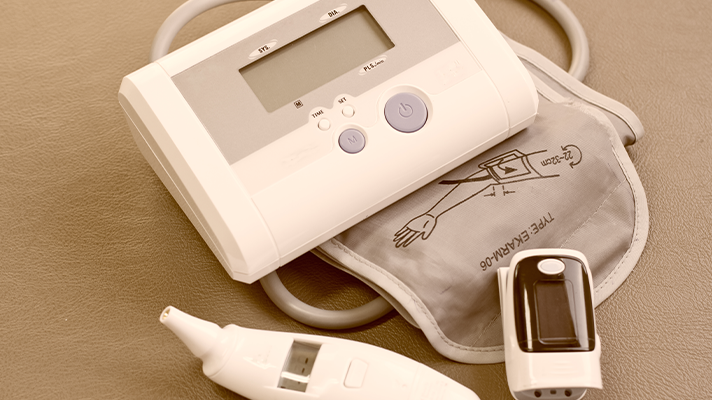
- Sensors and Wearable Medical Devices: These are the front-line data collectors. Examples include smart blood pressure cuffs, continuous glucose monitors (CGM), pulse oximeters, smart scales, ECG patches, and even smartwatches capable of tracking heart rate, sleep patterns, and activity levels.
- Connectivity Modules: These enable the seamless transmission of data. Common technologies include Bluetooth, Wi-Fi, cellular (4G/5G), and low-power wide-area networks (LPWAN) like LoRaWAN, ensuring data reaches the central platform reliably.
- Data Aggregation and Cloud Platform: A secure, scalable cloud infrastructure collects and stores the vast amounts of data generated by multiple devices and patients. This platform is critical for managing data flow, ensuring data integrity, and providing access to authorized personnel.
- Data Analytics and Artificial Intelligence (AI): Raw data is transformed into actionable insights through advanced analytics. AI and machine learning algorithms can identify trends, predict potential health deteriorations, and flag anomalies, providing predictive analytics in healthcare that empowers clinicians to make informed decisions.
- Alerting and Communication Systems: When predefined thresholds are breached or critical events are detected, the system generates alerts for healthcare providers, allowing for immediate follow-up. Integrated communication tools facilitate virtual consultations, secure messaging, and personalized feedback to patients.
Transformative Benefits for Patients and Providers
The adoption of IoT remote patient monitoring brings a multitude of advantages, fundamentally reshaping the landscape of chronic condition management for both patients and the broader healthcare ecosystem. It's a win-win scenario, enhancing the quality of care while improving efficiency and accessibility.
Enhanced Patient Outcomes and Quality of Life
- Early Detection and Intervention: Continuous data streams allow for the early identification of subtle changes in a patient's condition, often before symptoms become severe. This enables proactive interventions, preventing complications and reducing the need for emergency care.
- Improved Medication Adherence: Some IoT devices can monitor medication intake or remind patients to take their prescriptions, significantly improving adherence rates, which is crucial for managing chronic conditions effectively.
- Reduced Hospitalizations and Readmissions: By managing conditions more effectively at home and intervening early, IoT RPM demonstrably lowers the rates of hospital admissions and readmissions, easing the burden on acute care facilities.
- Patient Empowerment and Engagement: Patients gain a greater understanding of their own health data and how their lifestyle choices impact their condition. This fosters greater patient engagement and encourages self-management, leading to better long-term health behaviors.
- Increased Comfort and Convenience: Patients can receive high-quality care from the comfort of their homes, reducing travel time, costs, and the stress associated with frequent clinic visits. This is particularly beneficial for elderly or mobility-impaired individuals, promoting aging in place.
Operational Efficiencies for Healthcare Systems
- Cost Reduction in Healthcare: By reducing hospital stays, emergency visits, and the need for frequent in-person consultations, IoT RPM contributes significantly to lowering overall healthcare costs.
- Optimized Resource Allocation: Healthcare providers can prioritize their time and resources more effectively, focusing on patients who genuinely need in-person attention, while others are monitored remotely.
- Improved Access to Care: For patients in rural or underserved areas, IoT RPM offers a lifeline, providing access to specialist care and continuous monitoring that might otherwise be unavailable.
- Proactive Clinical Decision Support: The analytical capabilities of these systems provide healthcare professionals with comprehensive, real-time data, enabling more informed and timely clinical decisions.
- Enhanced Data for Research and Development: The aggregated, anonymized data collected through RPM systems can be invaluable for medical research, identifying population health trends, and developing new treatment protocols.
Common IoT RPM Devices for Specific Chronic Conditions
The versatility of IoT RPM devices means they can be tailored to monitor a wide array of chronic conditions, providing targeted insights for specific health challenges.
Diabetes Management
- Continuous Glucose Monitors (CGM): These small, wearable sensors provide real-time glucose readings throughout the day and night, offering a comprehensive picture of blood sugar trends, which is far more insightful than sporadic finger-prick tests.
- Smart Insulin Pens and Pumps: Devices that track insulin doses and timing, automatically logging data and sometimes integrating with CGM systems for optimal insulin delivery.
- Smart Scales: Used to track weight, which is crucial for managing diabetes, especially type 2.
Cardiovascular Diseases
- Smart Blood Pressure Monitors: Automatically measure and transmit blood pressure readings, allowing healthcare providers to track hypertension trends and adjust medication as needed.
- Wearable ECG Patches/Monitors: Compact devices that continuously record heart rhythm, detecting arrhythmias or other cardiac abnormalities that might otherwise go unnoticed between clinic visits.
- Pulse Oximeters: Measure blood oxygen saturation and pulse rate, critical for patients with heart failure or other conditions affecting oxygen levels.
Respiratory Conditions (e.g., COPD, Asthma)
- Smart Inhalers: Track usage patterns, provide reminders, and can even assess environmental triggers, helping patients and doctors manage asthma and COPD more effectively.
- Portable Spirometers: Allow patients to measure lung function at home, transmitting data to their care team for early detection of exacerbations.
- Wearable Pulse Oximeters: Crucial for monitoring oxygen levels, especially during sleep or activity, for patients with chronic lung conditions.
Neurological Disorders (e.g., Parkinson's, Epilepsy)
- Fall Detection Sensors: Wearable or environmental sensors that can detect falls and automatically alert caregivers or emergency services, providing critical safety for patients prone to falls.
- Tremor Monitors: Devices that quantify and track tremors in Parkinson's patients, helping clinicians assess disease progression and treatment effectiveness.
- Wearable Seizure Detectors: Can alert caregivers when a seizure occurs, providing valuable data on frequency and duration.
Overcoming Challenges and Ensuring Success
While the promise of IoT RPM is immense, its widespread adoption requires navigating several critical challenges. Addressing these hurdles proactively is essential for successful implementation and sustained benefits.
Data Security and Privacy
Handling sensitive patient health information (PHI) demands the highest level of data security and privacy. Systems must comply with stringent regulations like HIPAA in the U.S. and GDPR in Europe. This necessitates robust encryption protocols, secure data storage, multi-factor authentication, and strict access controls. Healthcare organizations must invest in cybersecurity measures and regularly audit their systems to protect against breaches. Learn more about data security in healthcare and compliance frameworks to ensure patient trust and regulatory adherence.
Interoperability and Integration
For IoT RPM data to be truly useful, it must seamlessly integrate with existing electronic health record (EHR) systems and other clinical workflows. Lack of interoperability can create data silos, hinder comprehensive patient views, and increase administrative burden. Adopting open standards, leveraging APIs, and collaborating with technology vendors who prioritize integration are key to creating a cohesive digital health ecosystem.
Patient Engagement and Digital Literacy
While IoT devices are designed to be user-friendly, some patients, particularly the elderly or those less familiar with technology, may require support and training. Ensuring high patient engagement requires clear instructions, ongoing technical support, and demonstrating the direct benefits of using the devices. Designing intuitive interfaces and providing patient-friendly educational materials can significantly improve adoption rates and adherence to the monitoring regimen.
Actionable Steps for Implementing IoT RPM
For healthcare providers and organizations looking to integrate IoT RPM into their chronic disease management strategies, a structured approach is vital. These actionable steps can guide a successful deployment:
- Assess Current Needs and Patient Demographics: Identify which chronic conditions and patient populations would benefit most from RPM. Understand their specific challenges, technological readiness, and potential barriers to adoption.
- Define Clear Clinical Goals: Establish measurable objectives, such as reducing hospital readmissions for heart failure patients by X%, or improving glycemic control in Y% of diabetic patients. Clear goals will guide technology selection and measure success.
- Choose the Right Devices and Platform: Select RPM devices that are clinically validated, user-friendly, secure, and compatible with the chosen digital health platform. Ensure the platform offers robust analytics, customizable alerts, and integrates with existing EHRs.
- Develop Comprehensive Protocols and Workflows: Create clear guidelines for data collection, alert management, patient communication, and escalation procedures. Define roles and responsibilities for clinicians, nurses, and support staff involved in monitoring.
- Provide Thorough Staff Training: Train all relevant staff on how to use the RPM system, interpret data, communicate with patients remotely, and troubleshoot common issues. Emphasize the importance of patient education and support.
- Pilot Program and Iterative Improvement: Start with a small pilot program to test the system, identify pain points, and gather feedback from both patients and staff. Use these insights to refine the program before a broader rollout.
- Monitor Performance and Adapt: Continuously track key performance indicators (KPIs) against your clinical goals. Regularly review data, patient outcomes, and operational efficiency to make necessary adjustments and optimize the program.
The Future of Remote Patient Monitoring
The trajectory of IoT remote patient monitoring is one of rapid evolution. We can anticipate even more sophisticated devices, enhanced AI capabilities, and greater integration with personalized medicine approaches. The synergy of IoT with other emerging technologies like Artificial Intelligence, machine learning, and 5G connectivity will unlock new possibilities, such as real-time predictive health analytics, virtual reality-based patient education, and highly personalized treatment plans based on a continuous stream of individual physiological and behavioral data. This evolution promises to shift healthcare further towards a truly preventative, proactive, and patient-centric model, making comprehensive chronic condition management more accessible and effective than ever before. Discover how these technologies can transform patient care and empower individuals to take control of their health journey.
Frequently Asked Questions
What exactly are IoT remote patient monitoring devices?
IoT remote patient monitoring (RPM) devices are internet-connected medical devices and sensors that collect various physiological data (e.g., blood pressure, glucose levels, heart rate, weight) from patients outside traditional clinical settings, typically in their homes. This data is then wirelessly transmitted to healthcare providers for continuous monitoring, analysis, and proactive intervention, enabling effective telehealth solutions for chronic disease management.
How do IoT RPM devices improve chronic disease management?
IoT RPM devices significantly improve chronic disease management by providing continuous monitoring of a patient's condition, allowing for early detection of adverse changes, enabling timely interventions, and reducing the need for emergency room visits and hospitalizations. They empower patients with greater self-awareness, improve medication adherence, and provide healthcare providers with real-time, actionable data for more informed and personalized care decisions, leading to better healthcare outcomes and reduced costs.
Are IoT RPM devices secure for patient data?
Yes, reputable IoT remote patient monitoring systems are designed with robust security measures to protect sensitive patient data. They typically employ strong encryption protocols, secure cloud storage, multi-factor authentication, and adhere to strict data privacy regulations such as HIPAA (Health Insurance Portability and Accountability Act) in the U.S. and GDPR (General Data Protection Regulation) in Europe. Providers must ensure their chosen solutions prioritize data privacy and security to maintain patient trust and compliance.
What kind of chronic diseases benefit most from IoT RPM?
A wide range of chronic diseases can greatly benefit from IoT remote patient monitoring. These include, but are not limited to, cardiovascular diseases (e.g., hypertension, heart failure), diabetes (Type 1 and Type 2), respiratory conditions (e.g., COPD, asthma), obesity, and certain neurological disorders (e.g., Parkinson's disease, epilepsy). Any condition requiring ongoing monitoring of vital signs, symptoms, or medication adherence is an ideal candidate for remote monitoring technology.
How can healthcare providers integrate IoT RPM into their practice?
Healthcare providers can integrate IoT RPM by first identifying patient populations most likely to benefit, then selecting clinically validated and user-friendly devices. It's crucial to choose a digital health platform that offers robust analytics and seamless integration with existing Electronic Health Record (EHR) systems. Developing clear protocols for data review and alerts, providing comprehensive staff training, and ensuring ongoing technical support for patients are also vital steps for successful implementation and sustained benefits in chronic condition management.

0 Komentar