
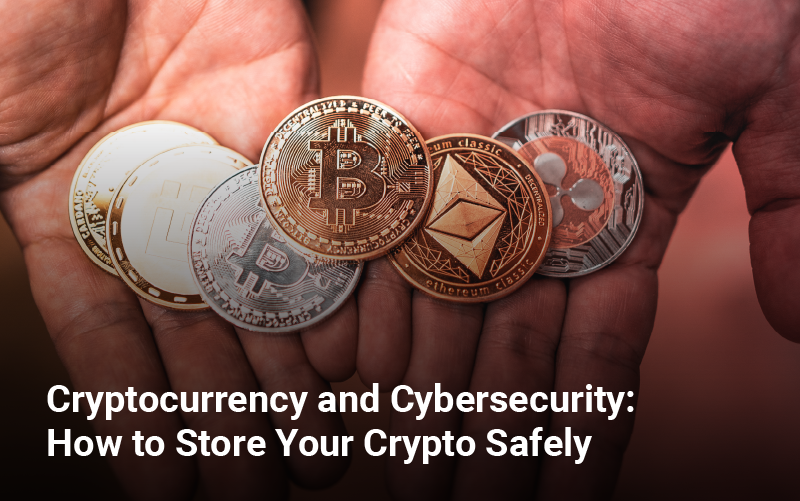
How to Store Cryptocurrency Offline Safely: The Ultimate Guide to Cold Storage Security
In the volatile world of digital assets, safeguarding your investments is paramount. Learning how to store cryptocurrency offline safely is not just a recommendation; it's an essential strategy for any serious crypto holder. This comprehensive guide delves deep into the nuances of offline cryptocurrency storage, often referred to as "cold storage," providing you with actionable insights and expert advice to protect your valuable digital assets from cyber threats, exchange hacks, and unforeseen vulnerabilities. Understand the critical steps to secure your Bitcoin, Ethereum, and other cryptocurrencies, ensuring peace of mind in an increasingly digital financial landscape.
Why Offline Storage (Cold Storage) is Paramount for Cryptocurrency Security
The cryptocurrency ecosystem, while revolutionary, comes with inherent risks, especially when assets are left on online platforms. Understanding these risks is the first step towards robust cryptocurrency security. Online wallets, also known as "hot wallets," and centralized exchanges are constantly exposed to internet-borne threats, making them prime targets for malicious actors.
The Inherent Risks of Online Cryptocurrency Storage
- Exchange Hacks: History is replete with instances of major cryptocurrency exchanges being compromised, leading to significant user fund losses. When your crypto is on an exchange, you don't control the private keys; the exchange does. This means your assets are vulnerable to their security practices, or lack thereof.
- Malware and Phishing Attacks: Hot wallets, whether desktop, mobile, or browser-based, are susceptible to malware that can steal your private keys or trick you into sending funds to fraudulent addresses. Phishing scams are equally prevalent, designed to trick users into revealing sensitive information.
- Custodial Control: If your funds are on a custodial platform, you are essentially trusting a third party with your wealth. This goes against the decentralized ethos of cryptocurrency, where users are encouraged to be their own bank.
- Software Vulnerabilities: Even well-designed hot wallets can have software bugs or vulnerabilities that, if exploited, could lead to asset theft. Regular updates help, but the continuous online exposure remains a risk.
The Unmatched Benefits of Cold Storage Solutions
Cold storage refers to keeping your cryptocurrency offline, making it virtually impervious to online hacking attempts. This method dramatically reduces the attack surface for your digital assets, offering unparalleled protection. By adopting offline storage solutions, you reclaim full control over your private keys, which are the cryptographic proof of ownership for your crypto.
- Immunity to Online Hacks: Since your private keys are never exposed to the internet, they cannot be remotely accessed by hackers. This is the core advantage of offline crypto storage.
- Protection Against Malware: Offline storage devices or methods are isolated from internet-connected computers, preventing malware from compromising your keys.
- True Ownership: With cold storage, you hold your own private keys. This means you have sole control over your funds, aligning with the foundational principles of blockchain technology.
- Long-Term Security: For investors planning to hold their crypto for extended periods, cold storage offers the most secure environment, mitigating risks associated with market volatility and platform instability.
The Gold Standard: Hardware Wallets
When discussing how to store cryptocurrency offline safely, hardware wallets invariably emerge as the most recommended and robust solution. These physical devices are specifically designed to securely store your private keys offline, facilitating transactions without ever exposing your sensitive information to an internet-connected computer.
What Are Hardware Wallets and How Do They Work?
A hardware wallet is a small, dedicated electronic device, typically resembling a USB stick or a small calculator. Its primary function is to generate and store your private keys in a secure, isolated environment, often called a "secure element chip." When you want to send cryptocurrency, you initiate the transaction on your computer or smartphone, but the crucial signing of the transaction (using your private key) happens internally on the hardware wallet. You then confirm the transaction on the device itself, providing an extra layer of physical security.
Key Security Features of Reputable Hardware Wallets
- Secure Element: High-quality hardware wallets incorporate a tamper-resistant secure element chip, similar to those found in credit cards or passports. This chip is designed to resist physical attacks and prevent extraction of private keys.
- PIN Protection: Access to the device is secured by a PIN, which must be entered on the device itself, not on your computer. Multiple incorrect PIN entries will typically wipe the device, protecting your funds if the device is stolen.
- Seed Phrase (Recovery Phrase): Upon setup, the hardware wallet generates a unique 12, 18, or 24-word seed phrase (also known as a recovery phrase or mnemonic phrase). This phrase is the master key to your crypto assets. It allows you to recover your funds on a new hardware wallet or compatible software wallet if your original device is lost, stolen, or destroyed. This is the single most important piece of information to protect.
- Firmware Integrity Checks: Reputable hardware wallets implement mechanisms to ensure that the firmware running on the device has not been tampered with.
Choosing and Using a Hardware Wallet: Best Practices
- Purchase Directly from Manufacturer: Always buy your hardware wallet directly from the official manufacturer's website. Purchasing from third-party resellers, even reputable ones, carries the risk of receiving a tampered device.
- Verify Authenticity: Upon receiving the device, follow the manufacturer's instructions to verify its authenticity. This often involves checking for tamper-proof seals or performing a software check.
- Initial Setup and Seed Phrase Backup:
- Generate a New Seed Phrase: Never use a pre-generated seed phrase. Always generate a new one during the initial setup process on the device itself.
- Write Down Your Seed Phrase: Meticulously write down your 12 or 24-word seed phrase on paper (or engrave it on metal) in the exact order provided. Double-check for errors.
- Securely Store Your Seed Phrase: This is arguably the most critical step. Store your seed phrase in multiple, physically separate, secure locations. Think fireproof safes, safety deposit boxes, or hidden spots known only to you. Never store it digitally or take a photo of it.
- Perform a Test Recovery (Optional but Recommended): Once your seed phrase is backed up, you can optionally perform a test recovery by intentionally wiping your device and then restoring it using your written seed phrase. This confirms your backup is correct.
- Keep Firmware Updated: Regularly update your hardware wallet's firmware to benefit from the latest security patches and features. Always follow the official update procedures provided by the manufacturer.
- Physical Security: Treat your hardware wallet like cash or jewelry. Keep it in a secure location, away from prying eyes and potential damage.
- Use a Strong PIN: Choose a complex PIN that is not easily guessable.
- Never Enter Seed Phrase Online: Your seed phrase should never be entered into any computer or online service. It is only for recovering your wallet on a new, trusted device.
Understanding Paper Wallets: A Basic Offline Solution
Before hardware wallets became widely accessible, paper wallets were a popular method for offline crypto storage. While still a valid option, they come with significant caveats and are generally not recommended for beginners due to their inherent risks and complexities.
What Are Paper Wallets and How Do They Work?
A paper wallet is simply a physical printout containing your public key (the address where others can send you crypto) and your corresponding private key (the secret code that allows you to spend your crypto). These are often represented as QR codes for easy scanning. The idea is that by printing these keys, they exist entirely offline, making them immune to online hacks.
Advantages and Disadvantages of Paper Wallets
Advantages:
- True Offline Storage: Once printed, the keys are completely disconnected from the internet, offering maximum protection against online theft.
- Cost-Effective: They are essentially free to create, requiring only paper and a printer.
Disadvantages and Risks:
- Vulnerability to Physical Damage: Paper can be easily damaged by fire, water, tearing, or simply fading over time.
- Single Point of Failure: If you lose the paper or it gets destroyed, your funds are gone forever, unless you have a separate backup of the private key.
- Complex Generation Process: Generating a truly secure paper wallet requires using an air-gapped computer (a computer never connected to the internet) and ensuring the printer used is not compromised. Any online interaction during key generation compromises its security.
- Difficulty in Spending: To spend funds from a paper wallet, you must "sweep" the private key into an online wallet or exchange. This process exposes your private key to an internet-connected device, potentially compromising its security for future use. It's generally recommended to transfer all funds out of a paper wallet once you decide to spend from it.
- Lack of Multi-Signature Support: Most basic paper wallets do not support advanced features like multi-signature, which adds layers of security.
Safely Creating and Storing Paper Wallets
If you still opt for a paper wallet, extreme caution is advised:
- Use an Air-Gapped Computer: Download the paper wallet generator software (e.g., from GitHub) onto a USB drive. Use a fresh operating system installation on a computer that has never been connected to the internet, or boot from a live Linux USB.
- Generate Keys Offline: Run the generator software on the air-gapped computer to create your public and private key pair.
- Print Securely: Print the wallet using a printer that has never been connected to the internet, or one that you can ensure is not compromised. Avoid printers with internal memory that might store print jobs.
- Verify and Destroy Digital Traces: Double-check that the printed keys are correct. Then, securely erase any digital copies of the keys from the air-gapped computer before connecting it to the internet again (or simply dispose of the live USB if used).
- Physical Storage: Store the paper wallet in multiple secure, climate-controlled locations, ideally laminated for protection against wear and tear. Consider using a fireproof and waterproof safe.
Beyond the Basics: Advanced Offline Storage Strategies
For individuals with substantial digital assets or those seeking the absolute pinnacle of cryptocurrency security, advanced offline storage solutions offer enhanced resilience and redundancy.
Multi-Signature Wallets for Shared Control and Enhanced Security
A multi-signature (multi-sig) wallet requires multiple private keys to authorize a transaction. For example, a 2-of-3 multi-sig wallet would require two out of three designated private keys to sign a transaction. This dramatically increases security by eliminating a single point of failure. If one key is lost or compromised, your funds are still safe. This is particularly useful for:
- Joint Ownership: Families or business partners can control funds together.
- Inheritance Planning: Designate trusted individuals who can access funds if you become incapacitated or pass away.
- Enhanced Personal Security: You might keep one key on a hardware wallet, another in a safety deposit box, and a third with a trusted legal entity.
Many modern hardware wallets and specialized software solutions now support multi-signature setups, providing robust digital asset protection.
Deep Cold Storage with Air-Gapped Computers
For the truly paranoid, creating an "air-gapped" computer specifically for generating and signing transactions offers the highest level of isolation. This involves a computer that has never, and will never, connect to the internet. Transactions are prepared offline, then transferred via USB to an online computer for broadcasting to the network. This method is complex and typically reserved for institutions or individuals holding extremely large amounts of crypto.
Metal Seed Phrase Backups for Ultimate Durability
While paper is vulnerable, metal is not. Solutions like Cryptosteel, Billfodl, or even custom-engraved metal plates can store your seed phrase in a form that is resistant to fire, water, and corrosion. This significantly enhances the durability of your most critical backup, ensuring your secure backup withstands environmental hazards.
Geographic Distribution of Backups
Storing all your backups in one location, even a secure one, introduces a single point of failure if that location is compromised (e.g., by fire, flood, or theft). Distributing your seed phrase backups across multiple, geographically separate secure locations (e.g., a home safe, a bank safety deposit box, a trusted family member's home) provides an extra layer of redundancy and resilience.
Crucial Considerations for Optimal Cryptocurrency Security
Beyond the choice of offline storage solutions, several ongoing practices are vital for maintaining robust cryptocurrency security.
Mastering Seed Phrase Management: The Ultimate Key
Your seed phrase is the single most important component of your digital asset protection strategy. It is the recovery key to your entire crypto fortune. Treat it with the utmost reverence. Never digitize it, never share it, and never store it in plain sight. Consider memorizing portions of it if feasible, but always have a reliable physical backup.
Physical Security: Protecting Your Devices and Backups
The best digital security is useless if your physical assets are compromised. Store your hardware wallets and seed phrase backups in secure, undisclosed locations. Use safes, secure containers, or safety deposit boxes. Implement home security measures if storing at home. The goal is to make it as difficult as possible for unauthorized individuals to gain physical access.
Cybersecurity Hygiene: Beyond Offline Storage
While offline storage protects your keys, your online activities can still pose risks. Practice strong cybersecurity hygiene:
- Use strong, unique passwords for all online accounts (especially exchanges and email).
- Enable Two-Factor Authentication (2FA) on all accounts, preferably using hardware keys (like YubiKey) over SMS.
- Be wary of phishing emails and suspicious links. Always verify URLs before clicking.
- Use reputable antivirus software and keep your operating system updated.
- Avoid public Wi-Fi for sensitive crypto transactions.
Regular Audits and Testing: Verifying Your Setup
Don't just set it and forget it. Periodically (e.g., annually) review your offline storage setup. This could involve:
- Verifying your seed phrase backup by performing a test recovery on a new or wiped hardware wallet (without moving actual funds).
- Checking the physical condition of your paper or metal backups.
- Reviewing your overall security practices and updating them based on new threats or technologies.
Inheritance Planning: Ensuring Your Digital Legacy
What happens to your crypto assets if you are no longer able to manage them? This is a critical, yet often overlooked, aspect of digital asset protection. Consider creating a clear, legally sound plan for your cryptocurrency holdings. This might involve multi-signature wallets with trusted beneficiaries, instructions for accessing your seed phrases, or utilizing specialized crypto inheritance services. Consult with legal professionals specializing in digital assets to ensure your wishes are carried out.
Frequently Asked Questions
What is the primary difference between a "hot wallet" and a "cold wallet"?
The fundamental distinction lies in their connectivity to the internet. A hot wallet (e.g., exchange wallet, mobile wallet, desktop wallet) is connected to the internet and therefore more convenient for frequent transactions but inherently more vulnerable to online threats like hacking and malware. A cold wallet, or offline storage solution, keeps your private keys completely disconnected from the internet, offering superior cryptocurrency security against cyberattacks. Hardware wallets and paper wallets are prime examples of cold storage.
Can I lose my cryptocurrency if my hardware wallet is destroyed or stolen?
No, not if you have properly backed up your seed phrase. Your cryptocurrency is not actually "on" the hardware wallet; rather, the hardware wallet securely stores your private keys, which are the cryptographic proof of ownership of your funds on the blockchain. If your hardware wallet is lost, stolen, or destroyed, you can simply purchase a new compatible hardware wallet and restore access to your funds using your 12 or 24-word seed phrase. This emphasizes why safeguarding your seed phrase is the single most important aspect of offline crypto storage.
How often should I back up my seed phrase or recovery phrase?
Your seed phrase is generated only once during the initial setup of your hardware wallet or paper wallet. You do not need to "back it up" repeatedly in the traditional sense, as it remains constant. However, you should ensure that your physical copies of the seed phrase are robust, redundant, and stored in multiple secure locations. It's advisable to periodically verify that your physical backups are still legible and intact, and to test the recovery process on a new device every few years to ensure your backup method is sound. This ensures consistent secure backup for your digital assets.
Are paper wallets still considered a safe way to store cryptocurrency offline?
While paper wallets offer true offline storage, they are generally not recommended for beginners or for storing significant amounts of cryptocurrency. They are highly susceptible to physical damage (fire, water, wear and tear), and the process of securely generating and spending from them is complex and prone to user error. Any mistake during generation (e.g., using an online computer) or spending (exposing the private key to a compromised system) can lead to irreversible loss. Hardware wallets are now the preferred and much safer method for storing cryptocurrency offline safely due to their ease of use and built-in security features.
Implementing robust offline storage solutions is a critical step towards comprehensive cryptocurrency security. By understanding the options and following best practices, you empower yourself to protect your investments against the myriad of threats in the digital realm. Take the initiative today to secure your digital future; your financial peace of mind depends on it. Explore reputable hardware wallets and establish a resilient backup strategy to safeguard your precious digital assets.

0 Komentar