
Augmented Reality in the Energy Sector: Revolutionizing Efficiency, Safety, and Operations
The energy sector, a cornerstone of global infrastructure, is undergoing a profound
digital transformation, driven by the relentless pursuit of efficiency, enhanced safety, and sustainable operations. At the forefront of this evolution is augmented reality (AR), a transformative technology that overlays digital information onto the real world. This article delves into how AR is revolutionizing the
power industry, from
oil and gas exploration to
renewable energy integration, offering unprecedented capabilities for
asset management,
workforce training, and
field operations. Discover how AR is not just a futuristic concept but a practical tool for addressing the complex challenges faced by
utility companies and energy providers worldwide, promising a future of smarter, safer, and more productive energy ecosystems.
Understanding Augmented Reality's Impact on Energy Infrastructure
Augmented reality, distinct from virtual reality (VR), enhances a user's perception of the real world by superimposing computer-generated images, sounds, or other data. In the energy sector, this means
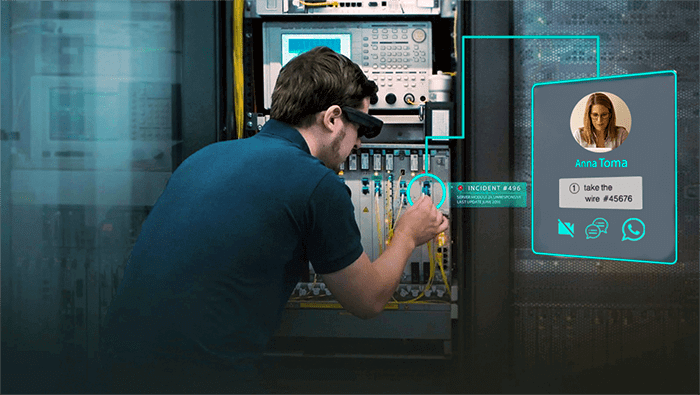
field service technicians can view real-time data on equipment, engineers can collaborate remotely on complex repairs, and trainers can provide immersive, hands-on
workforce training without physical risk. This capability translates directly into tangible benefits, addressing critical pain points across the entire energy value chain.
Key Applications of AR in the Energy Industry
The versatility of AR allows for its application in numerous high-impact areas within the energy sector. Its ability to provide contextual information and visual guidance makes it an invaluable asset for complex tasks and dangerous environments.
- Predictive Maintenance and Repair: AR empowers technicians with
real-time data visualization directly on equipment. Imagine a technician wearing AR glasses, seeing temperature readings, pressure levels, and historical maintenance logs overlaid on a turbine. This enables faster diagnostics, reduces downtime, and facilitates
predictive maintenance strategies. They can identify failing components before catastrophic breakdowns occur, optimizing maintenance schedules and extending asset lifespan.
- Remote Assistance and Expert Collaboration: One of AR's most powerful applications is enabling
remote assistance. Experienced engineers can guide on-site personnel through intricate procedures, even from thousands of miles away. Through live video feeds and AR annotations, experts can draw on the technician's view, highlight specific components, and provide step-by-step instructions. This capability is crucial for remote sites, offshore platforms, and scenarios where specialized expertise is scarce.
- Workforce Training and Skill Development: Traditional training in the energy sector often involves expensive mock-ups or hazardous on-site experiences. AR provides a safe, scalable, and highly effective alternative. New hires can train on virtual models of machinery, practice complex procedures, and learn
safety protocols in a risk-free environment. This immersive learning accelerates skill acquisition, reduces training costs, and ensures a highly competent workforce ready for demanding tasks.
- Enhanced Safety and Compliance: Safety is paramount in energy operations. AR can overlay warnings, safety procedures, and lockout/tagout instructions directly onto equipment. This reduces human error, ensures compliance with regulations, and significantly mitigates risks in hazardous environments. For instance, an AR overlay could highlight live wires or high-pressure points before a technician approaches them.
- Operational Efficiency and Asset Management: AR facilitates better
operational efficiency by providing instant access to critical information. From visualizing pipe networks underground to monitoring
smart grid management systems, AR streamlines workflows. It enhances
asset performance management by giving operators a real-time, contextual understanding of their infrastructure, leading to optimized resource allocation and reduced operational costs.
Transforming Field Operations: A Deeper Dive
The energy sector relies heavily on robust
field operations, whether it's managing a sprawling solar farm, inspecting a remote pipeline, or maintaining a nuclear power plant. AR technology is fundamentally changing how these operations are conducted, moving from reactive responses to proactive, data-driven interventions.
AR in Renewable Energy and Traditional Power Generation
The application of AR spans across the diverse landscape of energy production:
- Solar and Wind Farms: For
renewable energy integration, AR can assist in the precise installation of solar panels and wind turbine components, ensuring optimal alignment and performance. During maintenance, technicians can use AR to identify faulty cells, inspect blade damage remotely, or access real-time performance data for individual turbines, streamlining repairs and maximizing energy output.
- Oil and Gas: In
oil and gas exploration and production, AR is invaluable for navigating complex wellheads, pipelines, and processing plants. It aids in geological surveys by overlaying subsurface data onto real-world views, improves safety during drilling operations by providing real-time alerts, and enhances the efficiency of pipeline inspections by highlighting potential leaks or structural weaknesses.
- Nuclear Power Plants: Given the extreme safety requirements and complexity, AR offers a new layer of precision and security. It can guide technicians through intricate maintenance procedures, provide visual cues for radiation levels in specific areas, and offer virtual walkthroughs for emergency response training, all without exposing personnel to unnecessary risks.
Implementing AR Solutions: Practical Advice for Energy Companies
Adopting augmented reality is a strategic investment that requires careful planning and execution. Energy companies looking to leverage this technology should consider several key factors to ensure successful integration and maximize return on investment.
Best Practices for AR Adoption
- Start Small, Scale Big: Begin with pilot projects in specific areas where AR can deliver immediate, measurable value, such as
remote assistance for critical repairs or specialized
workforce training modules. Learn from these initial deployments before scaling across the organization.
- Choose the Right Hardware: Evaluate various AR devices (smart glasses, tablets, handheld devices) based on the specific use case, environmental conditions, and user requirements. Factors like battery life, ruggedness, field of view, and connectivity are crucial.
- Integrate with Existing Systems: For AR to be truly effective, it must integrate seamlessly with existing enterprise systems such as
asset performance management platforms, ERP systems, IoT sensors, and CMMS (Computerized Maintenance Management Systems). This ensures that
real-time data is accurate and accessible.
- Focus on User Experience: The success of AR deployment hinges on user adoption. Ensure the AR applications are intuitive, easy to use, and genuinely enhance the user's workflow rather than complicate it. Provide comprehensive training and support to
field service technicians and other personnel.
- Prioritize Data Security: Handling sensitive operational data requires robust cybersecurity measures. Ensure that AR solutions comply with industry regulations and protect proprietary information and operational integrity.
- Measure ROI: Clearly define key performance indicators (KPIs) before deployment. Track metrics such as reduced downtime, increased first-time fix rates, improved safety incidents, and accelerated training times to demonstrate the tangible benefits of AR.
The Future of AR in Energy: Beyond Current Capabilities
The trajectory of augmented reality in the energy sector points towards even deeper integration and more sophisticated applications. As AR hardware becomes lighter, more powerful, and more affordable, and as connectivity improves with 5G, its potential will continue to expand.
Imagine
digital twins of entire power plants, accessible via AR, allowing engineers to simulate repairs or upgrades in a virtual environment before implementing them physically. Consider AR-powered drones conducting autonomous inspections of vast energy infrastructure, providing real-time visual and sensor data directly to operators wearing AR headsets. The synergy between AR, IoT (Internet of Things), and AI (Artificial Intelligence) will lead to highly intelligent, predictive, and autonomous energy operations.
The ongoing commitment to
digital transformation within the energy sector ensures that AR will play an increasingly vital role in achieving operational excellence, bolstering
safety protocols, and paving the way for a more resilient and sustainable energy future. Companies that embrace this technology early will gain a significant competitive advantage, optimizing their resources and securing their position as leaders in the evolving global energy landscape. It's time for energy organizations to explore strategic partnerships with AR solution providers and invest in the technologies that will define tomorrow's energy industry. For more insights on leveraging cutting-edge tech, consider exploring resources on IoT integration in the energy sector.
Frequently Asked Questions
What specific problems does augmented reality solve in the energy sector?
Augmented reality addresses several critical challenges in the energy sector, including reducing human error during complex tasks, facilitating
remote assistance for specialized repairs in distant locations, accelerating
workforce training and knowledge transfer, enhancing
safety protocols by providing real-time hazard warnings, and improving
operational efficiency through instant access to
real-time data overlays on physical equipment. It minimizes downtime, cuts travel costs for experts, and ensures a highly skilled, safe workforce.
How does AR contribute to predictive maintenance in energy infrastructure?
AR significantly boosts
predictive maintenance by allowing
field service technicians to visualize sensor data, equipment history, and maintenance schedules directly on machinery. When a technician looks at a pump or turbine through an AR device, they can see temperature, vibration, and pressure readings overlaid, along with alerts for anomalies. This contextual information enables them to diagnose potential issues before they escalate, schedule proactive repairs, and optimize the lifespan of critical assets, moving from reactive fixes to intelligent, foresightful maintenance.
Is augmented reality primarily for large energy corporations, or can smaller companies benefit too?
While large energy corporations are often early adopters due to their scale and investment capacity, the benefits of augmented reality are increasingly accessible to smaller
utility companies and independent energy producers. The cost of AR hardware and software solutions is decreasing, and cloud-based platforms make deployment more flexible. Smaller companies can particularly benefit from AR's
remote assistance capabilities, which allow them to access expert knowledge without the need for expensive travel, making specialized support more affordable and efficient.
What are the main challenges in implementing AR in an energy company?
Implementing AR in an energy company comes with challenges such as initial investment costs for hardware and software, ensuring seamless integration with existing legacy systems, managing large volumes of
real-time data, addressing cybersecurity concerns related to sensitive operational data, and overcoming potential resistance to new technology from the workforce. Furthermore, ensuring robust connectivity in remote or challenging environments is also a key consideration. However, with careful planning and strategic partnerships, these challenges are surmountable, leading to significant long-term gains.

0 Komentar