
5G Supporting Sustainable Development Goals: A Comprehensive Guide to Next-Gen Connectivity for a Better Future
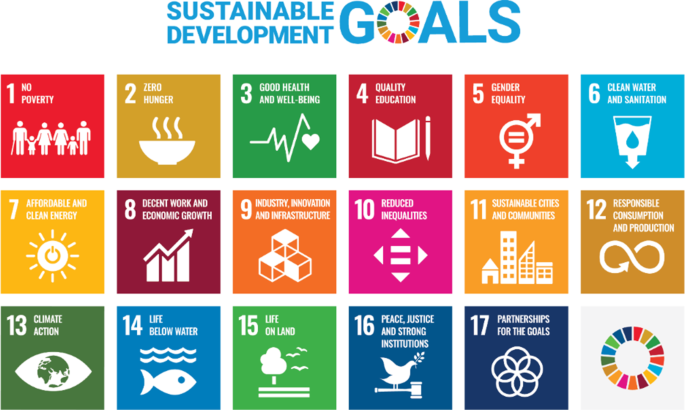
The advent of 5G technology marks a pivotal moment in our global pursuit of a more sustainable future. Far more than just faster internet, 5G is a foundational enabler for achieving the United Nations' 17 Sustainable Development Goals (SDGs) by 2030. This advanced connectivity paradigm, characterized by its ultra-low latency, massive bandwidth, and capacity for enormous device density, is set to revolutionize industries, empower communities, and drive unprecedented progress across critical areas like climate action, healthcare, education, and economic growth. As professional SEO experts and content strategists, we understand the profound implications of this technological leap, and this comprehensive guide will delve into how 5G supporting sustainable development goals is not just a concept, but a tangible reality unfolding before our eyes, promising a future where technology truly serves humanity and the planet.
The Foundational Role of 5G in Digital Transformation for SDGs
At its core, 5G acts as the nervous system for the next wave of digital transformation, which is indispensable for accelerating SDG progress. Without robust, high-speed, and reliable connectivity, many innovative solutions designed to tackle global challenges would remain theoretical. 5G provides the necessary infrastructure to support widespread deployment of the Internet of Things (IoT), artificial intelligence (AI), big data analytics, and cloud computing – technologies that are crucial for optimizing resource use, improving service delivery, and fostering innovation across all sectors. This synergy between 5G and emerging technologies creates a powerful ecosystem that can drive efficiency, reduce waste, and enhance decision-making on a scale previously unimaginable.
Enabling Smart Infrastructure and Resource Efficiency (SDG 9, 11, 12)
- Smart Cities (SDG 11): 5G is the backbone of truly smart cities. It enables real-time data collection from countless sensors monitoring everything from traffic flow and air quality to waste management and public safety. This allows urban planners to optimize infrastructure, reduce congestion, manage energy consumption efficiently, and create safer, more livable environments. Imagine smart streetlights that dim when no one is around, or waste bins that signal when they need emptying, all communicating seamlessly over a 5G network.
- Sustainable Industry and Innovation (SDG 9): For industries, 5G facilitates the transition to Industry 4.0. It enables automated factories, predictive maintenance using IoT sensors, and supply chain optimization through real-time tracking. This leads to increased productivity, reduced downtime, and significant energy savings, contributing directly to sustainable industrial practices. The ability to monitor and control processes remotely minimizes the need for physical travel, further reducing carbon footprints.
- Responsible Consumption and Production (SDG 12): By providing precise, real-time data on resource usage and supply chain dynamics, 5G helps businesses implement more sustainable production models. From optimizing inventory to reducing waste in manufacturing processes, the enhanced visibility offered by 5G-enabled IoT devices allows for a shift towards a more circular economy, where resources are used more efficiently and waste is minimized.
5G's Impact on Health and Well-being (SDG 3)
The healthcare sector stands to be profoundly transformed by 5G, offering unprecedented opportunities to improve access, quality, and efficiency of medical services, especially in underserved areas. The ultra-reliable low latency communication (URLLC) capabilities of 5G are particularly critical here, enabling applications where even milliseconds of delay can have severe consequences.
Revolutionizing Remote Healthcare and Medical Innovation
- Telemedicine and Remote Monitoring: 5G facilitates high-definition video consultations, allowing patients in remote locations to access specialist care without extensive travel. Wearable health monitors, connected via 5G, can continuously transmit vital signs and other health data to healthcare providers, enabling proactive intervention and chronic disease management. This significantly reduces the burden on physical healthcare infrastructure and improves patient outcomes.
- Remote Surgery and Expert Collaboration: The low latency of 5G makes remote-assisted surgery a reality, where expert surgeons can guide local medical staff or even control robotic instruments from thousands of miles away. This can bring life-saving procedures to areas lacking specialized surgical expertise. Additionally, 5G enables real-time collaboration among medical professionals globally, fostering knowledge sharing and accelerating medical research.
- Emergency Response: During emergencies, 5G networks can provide critical communication channels for first responders, enabling rapid data transfer of patient information, live video feeds from accident scenes, and coordination of rescue efforts. This speed and reliability can drastically improve response times and save lives.
Empowering Quality Education and Reducing Inequalities (SDG 4, 10)
Access to quality education remains a significant global challenge. 5G offers a powerful solution to bridge educational disparities, providing rich, interactive learning experiences to students regardless of their geographical location or socio-economic status.
Bridging the Digital Divide in Education
- Immersive Learning Experiences: High-bandwidth 5G connections can support augmented reality (AR) and virtual reality (VR) applications for education. Students can explore historical sites, dissect virtual organs, or conduct complex scientific experiments in simulated environments, making learning more engaging and accessible.
- Remote Learning and Digital Classrooms: 5G enables seamless, high-quality video conferencing for remote classrooms, ensuring that students in rural or disadvantaged areas have access to the same educational resources and expert teachers as their urban counterparts. This reduces the need for physical infrastructure in remote areas and minimizes the environmental impact of daily commutes.
- Teacher Training and Professional Development: Educators can utilize 5G-enabled platforms for continuous professional development, accessing online courses, workshops, and collaborative tools from anywhere. This ensures that teaching quality is consistently high and responsive to evolving educational needs.
5G's Contribution to Climate Action and Clean Energy (SDG 7, 13)
Addressing climate change and transitioning to clean energy sources are paramount for sustainable development. 5G plays a crucial role in optimizing energy grids, enabling precision agriculture, and facilitating environmental monitoring.
Driving Green Technology and Environmental Stewardship
- Smart Grids and Renewable Energy Integration (SDG 7): 5G provides the real-time communication capabilities essential for smart energy grids. These grids can dynamically manage energy supply and demand, integrate renewable energy sources like solar and wind power more efficiently, and reduce transmission losses. 5G enables instantaneous communication between energy meters, grid sensors, and control centers, leading to optimized energy distribution and reduced carbon emissions.
- Precision Agriculture (SDG 2, 13): In agriculture, 5G powers IoT sensors that monitor soil conditions, crop health, weather patterns, and livestock. This enables farmers to apply water, fertilizers, and pesticides precisely where and when needed, minimizing waste and environmental impact. Automated farming machinery, guided by 5G, can operate with greater efficiency, reducing fuel consumption and greenhouse gas emissions. This also contributes to food security by increasing yields sustainably. For more insights, explore how IoT devices are revolutionizing farming practices.
- Environmental Monitoring and Disaster Response (SDG 13): 5G networks support vast networks of environmental sensors that monitor air and water quality, deforestation, and biodiversity in real-time. This data is crucial for early warning systems for natural disasters, enabling timely evacuation and reducing loss of life and property. The ability to deploy temporary 5G networks quickly in disaster zones also aids in recovery efforts.
Ensuring Clean Water and Sanitation (SDG 6)
Access to clean water and sanitation is a fundamental human right and a critical SDG. 5G technology offers advanced solutions for managing water resources more efficiently and ensuring better sanitation services.
Optimizing Water Management Systems
- Smart Water Management: 5G-enabled IoT sensors can monitor water pipelines for leaks, track water consumption patterns, and manage wastewater treatment plants more effectively. Real-time data allows utility companies to identify and repair leaks quickly, reducing water loss and conserving this precious resource.
- Pollution Monitoring: Sensors deployed in rivers, lakes, and urban sewage systems can transmit data on water quality over 5G networks, providing early warnings of pollution incidents and enabling rapid response to mitigate environmental damage. This proactive approach helps protect ecosystems and human health.
Actionable Tips for Leveraging 5G for Sustainable Development
For governments, businesses, and communities looking to harness the power of 5G for SDGs, strategic planning and collaboration are key. Here are some practical steps:
- Invest in 5G Infrastructure: Prioritize the deployment of robust 5G networks, especially in underserved rural and remote areas, to ensure equitable access to transformative technologies. Public-private partnerships can accelerate this.
- Foster Innovation Ecosystems: Encourage startups and research institutions to develop 5G-enabled applications specifically tailored to address SDG challenges in local contexts. Provide grants and incubators for sustainable tech solutions.
- Develop Data Governance Frameworks: Establish clear policies for data collection, privacy, and sharing to ensure that the vast amounts of data generated by 5G-enabled IoT devices are used ethically and securely for public good.
- Promote Digital Literacy: Implement programs to educate citizens and workers about the benefits and uses of 5G technology, ensuring that communities can fully leverage its potential for sustainable development.
- Cross-Sector Collaboration: Encourage collaboration between technology providers, government agencies, NGOs, and local communities to identify specific SDG challenges that 5G can help solve and co-create solutions.
- Measure and Report Impact: Systematically track and report the impact of 5G deployments on SDG indicators to demonstrate progress and identify areas for further optimization.
Frequently Asked Questions
What makes 5G uniquely capable of supporting sustainable development goals compared to previous generations?
5G's unique capabilities — namely its ultra-low latency, massive connectivity for billions of devices (IoT), and gigabit-level speeds (high bandwidth) — set it apart. Older generations like 4G lack the capacity and responsiveness needed for critical applications such as remote surgery, real-time smart grid management, or pervasive environmental monitoring. 5G enables immediate data processing at the network edge, reduces energy consumption for data transmission, and supports the dense networks of sensors required for truly smart, sustainable systems across various sectors, making it a foundational technology for achieving the SDGs.
How does 5G contribute to reducing carbon emissions and promoting green energy?
5G contributes significantly to climate action and clean energy through several mechanisms. Firstly, its inherent energy efficiency, particularly in its network architecture, can lead to lower energy consumption per bit compared to 4G. More importantly, 5G enables smart grids that can dynamically balance energy supply from renewable sources and demand, reducing waste. It powers precision agriculture, which minimizes resource use (water, fertilizer) and associated emissions. Furthermore, by facilitating remote work, telemedicine, and virtual education, 5G reduces the need for physical travel, thereby lowering transportation-related carbon footprints. It also supports widespread environmental monitoring systems, providing data crucial for climate research and mitigation strategies.
Can 5G help bridge the digital divide and reduce inequalities globally?
Absolutely. One of the most significant contributions of 5G supporting sustainable development goals is its potential to bridge the digital divide. By providing high-speed, reliable, and affordable connectivity to remote and underserved areas, 5G can unlock access to essential services like quality education (through remote learning), healthcare (via telemedicine), and economic opportunities (through digital inclusion). This democratizes access to information and services, empowering communities that were previously excluded, thereby directly addressing SDG 10 (Reduced Inequalities) and fostering more inclusive societies. Its capacity for massive device connectivity also means more people can connect with less infrastructure per connection, making it more scalable for widespread adoption.

0 Komentar