
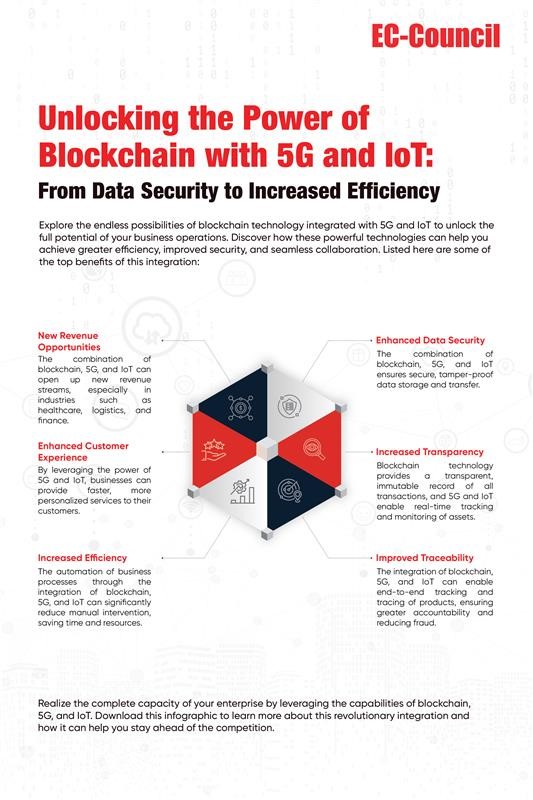
Unlocking the Future: Exploring 5G Blockchain Integration Potential for a Decentralized World
The convergence of two groundbreaking technologies, 5G and blockchain, is poised to redefine our digital landscape, promising unprecedented levels of connectivity, security, and transparency. This revolutionary synergy, often referred to as 5G blockchain integration potential, goes far beyond mere technological coexistence; it represents a fundamental shift in how data is transmitted, secured, and managed across decentralized networks. As a professional SEO expert and content writer, I delve deep into this transformative intersection, exploring how 5G's ultra-fast speeds and low latency can amplify blockchain's inherent security and immutability, paving the way for a truly interconnected and trustless digital future. Understanding this powerful combination is crucial for businesses, innovators, and everyday users looking to harness the next wave of digital transformation.
The Synergistic Power of 5G and Blockchain: A Foundation for Innovation
Individually, 5G and blockchain are formidable technologies, each with distinct capabilities that are reshaping industries. 5G, the fifth generation of cellular technology, offers monumental leaps in speed, capacity, and responsiveness, enabling real-time data processing and massive IoT device connectivity. Blockchain, on the other hand, provides a decentralized, immutable ledger that ensures data integrity and transparency without relying on a central authority. The true magic, however, lies in their integration. 5G acts as the high-speed, low-latency backbone that blockchain applications desperately need to scale, while blockchain provides the critical security layer and trust mechanism essential for 5G's vast and diverse network of connected devices.
5G: The Enabler for Distributed Ledger Technologies
For years, the scalability of blockchain networks has been a significant challenge. Transactions can be slow, and network congestion is a common issue, especially for public blockchains. This is where 5G steps in as a game-changer. Its unparalleled characteristics directly address many of blockchain's current limitations:
- Ultra-Low Latency: 5G's latency of as low as 1 millisecond allows for near-instantaneous communication between devices and blockchain nodes. This is critical for applications requiring immediate data validation, such as autonomous vehicles or remote surgery, where delays can have severe consequences.
- Massive Connectivity: With the ability to support millions of devices per square kilometer, 5G can connect the vast ecosystem of IoT sensors, smart devices, and edge computing nodes directly to blockchain networks. This facilitates the secure and efficient collection of massive datasets for decentralized applications.
- High Bandwidth: The sheer data throughput of 5G enables the rapid transfer of large blocks of data, which is essential for processing a high volume of blockchain transactions concurrently. This significantly improves the efficiency and speed of distributed ledger technologies.
- Network Slicing: 5G's network slicing capability allows for the creation of virtual, isolated network segments tailored to specific application requirements. This means dedicated, high-performance slices can be provisioned for blockchain networks, ensuring optimal performance and security for critical operations like supply chain tracking or digital identity verification.
The combination of these features makes 5G an ideal platform for unleashing the full potential of various blockchain applications, moving them from theoretical models to practical, real-world solutions.
Blockchain: Securing and Trusting 5G Ecosystems
While 5G provides the speed and connectivity, blockchain brings the much-needed layers of security, transparency, and trust to the expansive 5G network. The sheer volume of data and devices connected via 5G creates new vulnerabilities and challenges related to data privacy, authentication, and integrity. Blockchain addresses these concerns effectively:
- Enhanced Cybersecurity: Blockchain's cryptographic security and distributed nature make it highly resistant to cyberattacks, including denial-of-service (DoS) attacks and data tampering. It can secure the vast amounts of data flowing through 5G networks, protecting sensitive information and preventing unauthorized access.
- Immutable Data Records: Once data is recorded on a blockchain, it cannot be altered or deleted. This immutability ensures the integrity and provenance of data collected from 5G-connected devices, which is vital for applications like regulatory compliance, audit trails, and scientific research.
- Decentralized Authentication and Authorization: Instead of relying on centralized servers that are single points of failure, blockchain can manage device identities and access permissions in a decentralized manner. This enhances security and resilience for all devices operating within the 5G environment.
- Smart Contracts: Self-executing contracts stored on a blockchain can automate agreements and transactions between devices and entities on the 5G network. This enables trustless interactions, such as automated payments for data usage, resource sharing in edge computing, or dynamic network adjustments based on predefined conditions.
Together, 5G and blockchain create a robust, secure, and efficient infrastructure capable of supporting the most demanding and sensitive applications of the future.
Key Areas of 5G Blockchain Integration Potential
The practical applications of 5G blockchain integration span numerous sectors, promising to revolutionize how we interact with technology and conduct business. The 5G blockchain integration potential is vast and exciting, offering solutions to long-standing industry challenges.
Enhancing IoT Security and Data Management
The Internet of Things (IoT) is a primary beneficiary of this synergy. Billions of IoT devices are expected to connect via 5G, generating unprecedented volumes of data. Securing these devices and managing their data lifecycle is a monumental task. Blockchain can provide a decentralized framework for IoT security, device authentication, and data provenance. For instance, each IoT device could have a unique blockchain-based identity, ensuring only authorized devices transmit data. Smart contracts could automate data sharing permissions, ensuring privacy and compliance. This creates a highly resilient and trustworthy IoT ecosystem where data integrity is paramount.
Revolutionizing Supply Chain Logistics
Supply chain management often suffers from a lack of transparency and efficiency. The integration of 5G and blockchain can provide end-to-end visibility and real-time tracking of goods. 5G-enabled sensors on products and vehicles can transmit data instantly to a blockchain, recording every movement, temperature change, and handling event. This creates an immutable audit trail, combating counterfeiting, ensuring product authenticity, and providing immediate alerts for deviations. Companies can achieve unprecedented levels of supply chain optimization, reducing waste, improving recall efficiency, and building greater consumer trust.
Decentralized Autonomous Vehicles (DAVs) and Smart Cities
Autonomous vehicles and smart city infrastructure rely heavily on real-time data exchange and secure communication. 5G's low latency is critical for Vehicle-to-Everything (V2X) communication, enabling vehicles to communicate with each other, traffic infrastructure, and pedestrians instantly. Blockchain can secure these interactions, ensuring the authenticity of data exchanged and preventing malicious attacks. For example, vehicle identities, traffic data, and payment for services (like parking or charging) can be managed via blockchain, creating a secure and efficient framework for future urban mobility. This enables truly decentralized networks for smart city operations.
Secure and Efficient Edge Computing
Edge computing, which processes data closer to its source, is a vital component of 5G networks, reducing latency and bandwidth usage. Blockchain can play a crucial role in securing and managing these distributed edge resources. Smart contracts can automate the allocation of computing resources, manage data storage, and ensure data integrity at the edge. This creates a more resilient and efficient distributed computing environment, essential for applications requiring immediate data analysis and action, such as industrial automation or augmented reality.
Transforming Digital Identity and Data Privacy
The concept of self-sovereign identity (SSI), where individuals control their own digital identities, becomes more viable with 5G and blockchain. 5G provides the high-speed, secure channels for transmitting identity credentials, while blockchain offers the immutable and verifiable ledger for these identities. Users can selectively share aspects of their identity without relying on central authorities, enhancing data privacy and security. This is particularly relevant for applications requiring robust authentication, like online banking, healthcare records, or secure access to physical spaces, creating a future with more empowered individuals in control of their personal data.
Overcoming Challenges and Navigating the Future Landscape
While the prospects of 5G blockchain integration are immense, several challenges must be addressed for widespread adoption and successful implementation.
Scalability and Interoperability
Despite 5G's capabilities, blockchain scalability remains a hurdle. Current blockchain technologies, particularly public ones, still struggle with transaction throughput compared to traditional systems. Solutions like Layer 2 scaling (e.g., Lightning Network, sidechains) and new consensus mechanisms are emerging, but their integration with 5G networks needs further development. Furthermore, achieving interoperability between different blockchain networks and between blockchain and legacy 5G systems is crucial for creating a truly seamless and interconnected digital ecosystem.
Regulatory and Governance Frameworks
The rapid evolution of 5G and blockchain technologies often outpaces existing regulatory frameworks. Clear guidelines are needed concerning data ownership, privacy, liability, and the legal recognition of smart contracts within a 5G-enabled blockchain environment. International collaboration will be vital to establish consistent standards and regulations that foster innovation while protecting users and ensuring fair competition. Addressing these governance issues is key to unlocking the full 5G blockchain integration potential.
Energy Consumption and Sustainability
Certain blockchain consensus mechanisms, like Proof-of-Work, are energy-intensive. As 5G networks proliferate and connect more devices, the energy footprint of integrated 5G-blockchain solutions could become a concern. Developing more energy-efficient blockchain protocols (e.g., Proof-of-Stake) and optimizing 5G network energy consumption will be critical for ensuring the sustainability of this combined technological paradigm.
Actionable Strategies for Leveraging 5G-Blockchain Synergy
For organizations looking to capitalize on the transformative power of 5G and blockchain, a strategic approach is essential. Here are some actionable tips:
- Strategic Partnerships and Pilot Programs:
Formulate alliances with leading 5G providers, blockchain development firms, and industry-specific technology partners. Initiate small-scale pilot projects to test the viability and ROI of specific 5G blockchain integration use cases relevant to your business. This iterative approach allows for learning and adaptation before full-scale deployment. Consider collaborating on decentralized networks research initiatives.
- Focus on Specific Use Cases with Clear ROI:
Instead of attempting a broad implementation, identify specific pain points or opportunities within your operations where the combined strengths of 5G and blockchain can deliver tangible benefits. For example, enhancing supply chain traceability for high-value goods, securing critical IoT infrastructure, or automating micro-transactions for smart devices. Prioritize areas where data integrity and real-time data are paramount.
- Invest in Talent and R&D:
The integration of 5G and blockchain requires a highly specialized skillset encompassing network engineering, cryptography, distributed systems, and cybersecurity. Invest in training your existing workforce or recruiting new talent with expertise in both domains. Dedicate resources to research and development to explore novel applications and overcome technical challenges, staying ahead of the curve in this rapidly evolving landscape.
- Prioritize Security and Compliance from Day One:
Given the sensitive nature of data involved in many 5G and blockchain applications, bake security and regulatory compliance into the design phase. Implement robust encryption, access controls, and adhere to data privacy regulations (e.g., GDPR, CCPA). A proactive approach to cybersecurity will build trust and mitigate risks.
Frequently Asked Questions
What is the primary benefit of 5G blockchain integration?
The primary benefit of 5G blockchain integration is the creation of highly secure, efficient, and transparent decentralized networks. 5G provides the necessary speed, low latency, and massive connectivity for blockchain applications to scale, enabling real-time data processing and communication among billions of devices. Blockchain, in turn, offers unparalleled security, immutability, and trust through cryptographic validation and decentralized ledgers, protecting the vast amounts of data flowing through 5G networks. This synergy enables applications that were previously impossible, from secure IoT ecosystems to real-time supply chain transparency and decentralized digital identities.
How does 5G's low latency benefit blockchain applications?
5G's ultra-low latency, often as low as 1 millisecond, profoundly benefits blockchain applications by enabling near-instantaneous transaction validation and communication between network nodes. This is crucial for use cases requiring immediate data updates and actions, such as autonomous vehicle communication, real-time industrial automation, or instant payment settlements. Reduced latency minimizes delays in data propagation across the distributed ledger, significantly improving the overall efficiency and responsiveness of blockchain-powered systems and facilitating more complex interactions among devices and smart contracts.
Can blockchain solve 5G security challenges?
Yes, blockchain can significantly enhance 5G security. With its inherent cryptographic security, distributed architecture, and immutable ledger, blockchain offers robust solutions to many 5G security challenges. It can provide decentralized identity management for connected devices, secure data provenance, prevent data tampering, and offer a resilient framework against cyberattacks on the network's vast attack surface. By distributing trust and eliminating single points of failure, blockchain adds a critical layer of integrity and resilience to the expansive 5G ecosystem, protecting sensitive information and ensuring the authenticity of communications.
What industries will be most impacted by 5G blockchain integration?
The integration of 5G and blockchain is set to profoundly impact numerous industries. Key sectors include IoT and Smart Cities (enhanced device security, smart infrastructure management), Supply Chain and Logistics (real-time tracking, anti-counterfeiting, transparency), Automotive (secure V2X communication, autonomous vehicle data), Healthcare (secure patient data, remote diagnostics), Finance (faster, secure transactions, digital assets), and Telecommunications itself (network slicing, decentralized resource management). Essentially, any industry reliant on secure, real-time data exchange and trusted transactions stands to benefit immensely from this powerful technological convergence, unlocking significant digital transformation opportunities.
The journey into a truly decentralized and hyper-connected world, powered by the synergy of 5G and blockchain, is just beginning. As these technologies mature and integrate further, their combined potential will unlock innovations that are only now being imagined. Stay informed, experiment, and prepare to navigate this exciting future. To explore specific applications or discuss potential solutions, consider reaching out to experts in this evolving field.

0 Komentar