
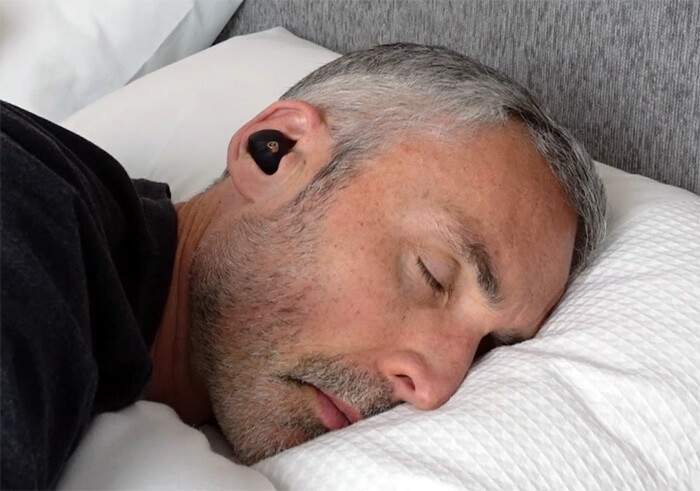
The Ultimate Guide to the Best Noise Cancelling Earbuds for Sleeping: Reclaim Your Restful Nights
Are you constantly battling disruptive sounds that steal your precious sleep? From a snoring partner to noisy neighbours or bustling city life, achieving truly undisturbed slumber can feel like an impossible dream. This comprehensive guide, crafted by an SEO expert with deep knowledge of sleep technology, delves into the world of best noise cancelling earbuds for sleeping, offering a sanctuary of silence for your restless nights. Discover how these innovative devices can transform your sleep quality, providing the perfect soundscape for deep, restorative rest. We’ll explore critical features, top contenders, and actionable tips to help you select the ideal pair, ensuring you wake up refreshed and revitalized every single morning.
Why Noise-Cancelling Earbuds Are Essential for Quality Sleep
In our increasingly noisy world, the quest for a peaceful night's sleep has become more challenging than ever. Ambient noise, whether it's traffic, household sounds, or even a ticking clock, can significantly disrupt sleep cycles, leading to fragmented sleep and reduced overall well-being. This is where noise-cancelling earbuds step in as a crucial sleep aid, designed specifically to create a quiet environment conducive to deep sleep.
The Science Behind Sleep and Sound
Our brains continue to process sounds even when we're asleep. While some sounds might be filtered out, sudden or loud noises can trigger arousal, pulling us out of essential sleep stages like REM and deep sleep. Over time, this constant disruption can lead to chronic sleep deprivation, affecting mood, cognitive function, and physical health. Effective noise reduction is not just about comfort; it's about safeguarding your physiological processes for optimal recovery. Earbuds designed for sleep often employ advanced active noise cancellation (ANC) technology, which uses microphones to detect external sounds and then emits an inverse sound wave to neutralize them, effectively creating a cone of silence around your ears. This sophisticated approach goes beyond simple passive blocking, offering superior performance against a wider range of low-frequency noises like engine hums or air conditioning units.
Beyond Just Silence: Creating a Sleep Sanctuary
While blocking unwanted noise is their primary function, the best noise cancelling earbuds for sleeping also contribute to creating a personalized sleep sanctuary. Many models offer the ability to play soothing sounds, such as white noise, pink noise, nature sounds, or guided meditations. This feature helps to mask any remaining subtle noises that might penetrate, but more importantly, it provides a consistent, calming audio backdrop that signals to your brain that it's time to relax and unwind. This consistent soundscape can be incredibly beneficial for individuals struggling with anxiety or those who find complete silence unnerving. The goal is to cultivate an environment that promotes uninterrupted, high-quality sleep, paving the way for improved sleep hygiene and overall health.
Key Features to Look for in Sleeping Earbuds
Choosing the right pair of earbuds for sleep requires careful consideration of several specific features that prioritize comfort, effectiveness, and safety. Unlike regular audio earbuds, sleep-focused models have unique design imperatives.
Active Noise Cancellation (ANC) vs. Passive Noise Isolation (PNC)
- Active Noise Cancellation (ANC): As mentioned, ANC uses electronic circuitry to actively cancel out low-frequency background noise. This is highly effective against continuous hums, traffic, and airplane engines. For those seeking maximum silence, especially in noisy environments, ANC is often the preferred choice.
- Passive Noise Isolation (PNC): PNC relies on the physical design of the earbud and the ear tip's seal to block out sound. This is effective against higher-frequency sounds like voices or dog barks. Many sleep earbuds combine excellent PNC with ANC for superior effective noise reduction. Look for models with a variety of ear tip sizes to ensure a perfect, snug fit, which is crucial for both types of noise blocking.
Comfort and Ergonomics for Side Sleepers
This is arguably the most critical factor for sleep earbuds. Traditional earbuds often protrude, making them uncomfortable or even painful for side sleepers. The best noise cancelling earbuds for sleeping feature a low-profile, ergonomic design that sits flush within the ear canal or is exceptionally flat against the ear. Key comfort considerations include:
- Ultra-Compact Design: Minimal protrusion to prevent pressure points when lying on your side.
- Soft, Flexible Materials: Silicone or memory foam ear tips that conform to your ear shape without causing irritation during prolonged use.
- Lightweight Construction: So you barely notice they're there.
- Secure Fit: They must stay in place throughout the night without falling out.
Battery Life and Charging Solutions
For an undisturbed night, your earbuds need to last the full 7-9 hours of recommended sleep. Look for models with at least 8 hours of battery life, ideally more, to account for variations in sleep duration. Wireless charging cases are a bonus for convenience, ensuring they're always ready for your next night's rest. Some specialized sleep earbuds even come with a charging mat or a unique charging solution designed for bedside use.
Sound Quality (for white noise/sleep sounds)
While not for critical music listening, the clarity and richness of pre-loaded or streamed sleep sounds are important. A balanced sound profile ensures that white noise or nature sounds are soothing rather than tinny or distorted. Some earbuds offer a dedicated sleep sound library, which can be a huge convenience.
Connectivity and App Features
Most sleep earbuds connect via Bluetooth. Look for stable connections. Many advanced models come with a dedicated app that allows for customization of ANC levels, sound library access, sleep tracking features, alarm settings, and even personal sound masking capabilities. These smart features can significantly enhance your sleep experience.
Durability and Sweat Resistance
While not necessarily for intense workouts, earbuds used nightly should be durable enough to withstand regular use and minor moisture. A basic IP rating (e.g., IPX4) for sweat or splash resistance can be a good indicator of their longevity, especially if you tend to sweat during sleep or live in a humid environment.
Top Contenders: Best Noise Cancelling Earbuds for Sleep (General Categories/Types)
Instead of specific brand names that can quickly become outdated, let's explore the categories of earbuds that excel in providing nocturnal peace.
Ultra-Compact and Low-Profile Designs
These are the go-to choice for individuals, particularly side sleepers, who find traditional earbuds uncomfortable. They are designed to sit almost entirely within the ear canal or have a completely flat outer profile. Their primary focus is on comfort and passive noise isolation, often complemented by gentle ANC. They prioritize a secure, comfortable fit over high-fidelity audio, making them perfect for dedicated sleep use. They often come with a range of very soft, pliable ear tips to ensure an optimal fit for various ear shapes.
Earbuds with Dedicated Sleep Modes and Sound Libraries
These specialized sleep aids go beyond just noise cancellation. They integrate features like built-in sound libraries (white noise, nature sounds, binaural beats), smart alarms that gently wake you, and even basic sleep tracking. They are designed from the ground up for sleep, often featuring a very comfortable, minimal design and robust battery life for overnight use. Their apps typically offer extensive customization for your sleep soundscape, allowing you to fine-tune your environment for maximum relaxation and deep sleep.
Hybrid ANC Earbuds for Versatile Use
For those who want a single pair of earbuds for both daily listening and sleep, hybrid ANC models offer a compelling solution. These earbuds often feature excellent active noise cancellation, good sound quality for music, and a reasonably comfortable design that can work for sleeping, though they might not be as discreet or low-profile as dedicated sleep earbuds. When choosing these, prioritize models known for their comfort and smaller form factor to ensure they don't become a nuisance during the night. Look for those with customizable EQ settings, allowing you to adjust the sound profile for soothing sleep sounds when needed.
Maximizing Your Sleep with Noise-Cancelling Earbuds
Simply owning a pair of noise-cancelling earbuds isn't enough; maximizing their potential requires a few practical considerations.
Proper Fit and Seal for Optimal Performance
The effectiveness of both active noise cancellation and passive noise isolation heavily relies on a proper seal within your ear canal. Experiment with all the included ear tip sizes and materials to find the one that offers the most comfortable and secure fit. A good seal prevents sound leakage and ensures the ANC technology works as intended. If the seal is poor, external noises can still seep in, negating the benefits. Some manufacturers even offer a "fit test" via their companion app to guide you to the perfect ear tip size.
Integrating with Sleep Hygiene Practices
Noise-cancelling earbuds are a powerful tool, but they work best when integrated into a holistic approach to sleep hygiene. This includes:
- Consistent Sleep Schedule: Go to bed and wake up at the same time every day, even on weekends.
- Optimized Sleep Environment: Keep your bedroom dark, cool, and tidy.
- Limiting Screen Time: Avoid blue light from screens at least an hour before bed.
- Mindful Eating and Drinking: Avoid heavy meals, caffeine, and alcohol close to bedtime.
Using your earbuds to block out noise or play soothing sounds becomes even more effective when these foundational sleep practices are in place. They become the final piece of your restful sleep puzzle. Learn more about sleep hygiene best practices here.
Using White Noise or Soothing Sounds
Many people find that a continuous, low-level sound like white noise or pink noise is more effective than complete silence. These sounds help to "mask" sudden, jarring noises that might otherwise break through. Experiment with different types of ambient sounds available through your earbuds' app or a third-party sound app. Some prefer the gentle hum of white noise, while others find nature sounds (rain, ocean waves) or binaural beats more conducive to relaxation and sleep. The goal is to find a sound that is consistent and non-distracting, helping your brain to disengage from external stimuli and drift into a state of undisturbed slumber.
Common Pitfalls to Avoid When Choosing Sleep Earbuds
Navigating the market for sound-blocking earphones can be tricky. Here are some common mistakes to avoid that could hinder your pursuit of better sleep.
Overlooking Comfort for Features
It's easy to get drawn into impressive specifications like advanced ANC levels or extensive app features. However, if the earbuds aren't comfortable enough to wear for 7-9 hours, especially if you're a side sleeper, all those features become irrelevant. Prioritize models specifically designed for sleep and comfort over those primarily marketed for audio fidelity or active lifestyles. Always check reviews specifically mentioning comfort for sleeping, particularly from side sleepers.
Ignoring Battery Life for Overnight Use
Some true wireless earbuds offer fantastic sound and ANC but only last 4-6 hours on a single charge. While fine for a commute, this is insufficient for a full night's sleep. Waking up to dead earbuds and then being exposed to noise is counterproductive. Always verify the stated battery life with ANC enabled, and ideally, choose models that offer at least 8-10 hours to be safe. Remember, real-world battery life can vary.
Not Testing Different Ear Tip Sizes
As emphasized, the fit is paramount. Many users stick with the default ear tips, which might not provide the optimal seal or comfort for their unique ear canal shape. Investing a few minutes to try all the included ear tip sizes can make a dramatic difference in both noise cancellation effectiveness and overall comfort. A proper seal is the foundation of effective noise reduction.
Frequently Asked Questions
Are noise-cancelling earbuds safe to wear every night for sleeping?
For most healthy individuals, wearing noise-cancelling earbuds for sleeping every night is generally considered safe, provided they are clean, comfortable, and not inserted too deeply. It's crucial to ensure the volume is kept at a low, safe level if you're playing soothing sounds, and to clean your earbuds regularly to prevent ear infections. If you experience any discomfort, ear pain, or wax buildup, consult with a healthcare professional. Some experts recommend taking breaks occasionally or using them only when necessary to allow your ears to breathe and to maintain awareness of important sounds like smoke alarms.
Can noise-cancelling earbuds completely block out all sound?
While active noise cancellation (ANC) earbuds are incredibly effective at reducing low-frequency, continuous sounds (like engine hums or air conditioning units), no earbud can completely block out 100% of all sound. High-frequency, sudden, or irregular noises (like a baby crying, a door slamming, or a loud conversation) may still be somewhat audible. However, they significantly reduce the perceived volume and jarring nature of these sounds, making them less disruptive to your sleep. Combining ANC with passive noise isolation and soothing background sounds (like white noise) offers the best chance for a truly quiet environment.
What's the difference between sleep earbuds and regular earbuds?
The primary difference lies in their design and prioritization of features. Sleep earbuds are specifically engineered for maximum comfort during prolonged wear, especially for side sleepers, often featuring a low-profile, ergonomic design that sits flush with the ear. Their focus is on effective noise cancellation and the ability to play soothing sleep sounds, with less emphasis on high-fidelity music playback. Regular earbuds, conversely, prioritize sound quality for music, voice calls, and often have a more protruding design that can be uncomfortable for sleeping. Sleep earbuds also tend to have longer battery life for overnight use and may include specialized sleep-tracking or alarm features.
How do I clean my sleep earbuds?
Regular cleaning is essential for hygiene and maintaining performance. Use a soft, dry, lint-free cloth to wipe down the exterior of the earbuds. For the ear tips, gently remove them and clean them with a mild soap and water solution, then rinse thoroughly and allow them to air dry completely before reattaching. You can use a small, soft brush or cotton swab to carefully remove any earwax or debris from the mesh or sound port. Always refer to the manufacturer's specific cleaning instructions, as materials can vary. Proper cleaning prevents bacterial buildup and ensures optimal audio experience and comfort.
Is it better to use noise-cancelling earbuds or earplugs for sleep?
The choice between noise-cancelling earbuds and earplugs depends on individual needs and preferences. Earplugs, particularly foam or silicone ones, offer excellent passive noise isolation and are generally very affordable. They are simple to use and require no charging. However, they only block sound passively and cannot generate soothing sounds. Noise-cancelling earbuds, especially those with ANC, provide a more advanced and active form of noise reduction, particularly against low-frequency hums. They also offer the benefit of playing white noise or other sleep sounds, which can be more effective for some individuals. For comfort, dedicated sleep earbuds often surpass traditional earplugs, particularly for side sleepers. If you need maximum noise reduction and the ability to play sounds, earbuds are superior; if simplicity and cost are primary, earplugs might suffice. Many find the holistic sleep aid benefits of earbuds to be a worthwhile investment for their sleep quality.

0 Komentar