
Revolutionizing Real Estate: How Virtual Reality Applications Are Transforming Property Sales
The real estate industry is undergoing a profound transformation, driven by innovative technologies that redefine how properties are marketed, viewed, and sold. At the forefront of this revolution are virtual reality applications in real estate sales, offering unparalleled immersive experiences that transcend traditional limitations. Imagine potential buyers exploring a property from anywhere in the world, at any time, feeling as though they are physically present. This isn't science fiction; it's the powerful reality of VR in modern real estate, fundamentally reshaping the buyer journey and empowering agents with a significant market advantage. This comprehensive guide will delve into the critical role of VR, showcasing its diverse applications, tangible benefits, and practical implementation strategies for real estate professionals aiming to dominate the digital landscape.
The Paradigm Shift: Why Virtual Reality is a Game-Changer for Property Sales
In a competitive market, standing out is paramount. Traditional property viewings are often time-consuming, geographically restrictive, and limited by availability. Virtual reality shatters these barriers, providing a scalable, accessible, and deeply engaging alternative. It's not just about showcasing a property; it's about creating an emotional connection and a sense of ownership before a physical visit even occurs. This shift is driven by several key factors:
- Unprecedented Accessibility: VR eliminates geographical constraints, allowing international buyers or those with busy schedules to conduct remote viewings of properties across cities, countries, or even continents. This significantly broadens the potential buyer pool.
- Enhanced Visualization & Immersion: Unlike static photos or even 2D videos, VR offers true immersive experiences. Users can virtually walk through rooms, examine details, and get a realistic sense of space and layout. This level of property visualization is unmatched.
- Time & Cost Efficiency: For agents, VR reduces the need for constant physical showings, saving time, travel costs, and resources. For buyers, it streamlines the initial filtering process, allowing them to narrow down options before committing to physical visits.
- Emotional Connection: By allowing potential buyers to "feel" what it's like to be in a home, VR fosters a stronger emotional connection to the property, accelerating decision-making and enhancing client engagement.
Key Virtual Reality Applications in Real Estate Sales
The versatility of VR allows for a wide array of applications, each designed to enhance a specific aspect of the real estate sales process. Implementing these strategically can significantly impact your sales funnel.
1. Immersive Virtual Property Tours (3D Tours & 360-Degree Experiences)
This is perhaps the most well-known and impactful application. Instead of static photos, agents can provide potential buyers with dynamic, interactive virtual property tours.
- 360-Degree Panoramas: These tours allow users to look around a space from fixed points, offering a comprehensive view of each room. They are relatively easy to create and widely compatible.
- Full 3D Walkthroughs: Advanced 3D tours, often powered by Matterport or similar technologies, create a "digital twin" of the property. Users can navigate freely from room to room, up and down stairs, and even view floor plans, providing an incredibly realistic sense of scale and flow. This is crucial for pre-construction viewing or understanding complex layouts.
Actionable Tip: Embed these tours directly into your property listings on your website and popular real estate portals. Ensure they are mobile-friendly for optimal user experience.
2. Virtual Staging and Furnishing
Empty properties often struggle to convey their full potential. Virtual staging leverages VR to digitally furnish and decorate a vacant space with realistic furniture, art, and decor. This allows buyers to visualize the property as a lived-in home, helping them overcome the challenge of imagining an empty shell. For new developments, this can showcase different design aesthetics or layouts within the same space.
- Showcasing Potential: Help buyers see how a space can be utilized, defining areas like living rooms, dining spaces, and bedrooms.
- Cost-Effective Alternative: Far more affordable and flexible than traditional physical staging, which involves moving and renting actual furniture.
- Multiple Design Options: Present various interior design styles for the same property, catering to diverse tastes without physical redecoration.
3. Pre-Construction Visualization and Architectural Rendering
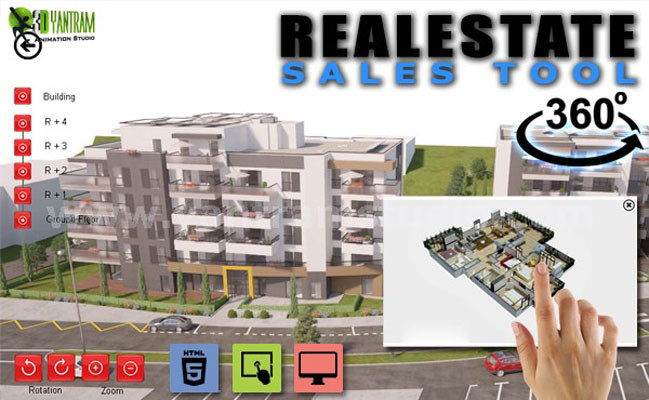
For new developments or properties still under construction, VR is invaluable. Developers can create hyper-realistic architectural rendering and 3D models of unbuilt properties, allowing prospective buyers to walk through their future home or office space before ground is even broken. This includes:
- Digital Twins: Highly accurate virtual replicas of buildings, allowing exploration of every floor, unit, and amenity. Buyers can select specific units, view different finishes, and even see potential views from windows.
- Interactive Site Plans: Visualize the entire development, including landscaping, amenities, and surrounding infrastructure, providing a complete picture of the community.
This capability significantly reduces the sales cycle for new builds, as buyers can make informed decisions based on a tangible experience rather than just blueprints.
4. Virtual Open Houses and Showings
Beyond individual tours, VR facilitates large-scale virtual events. Agents can host live virtual open houses, guiding multiple prospective buyers through a property simultaneously, answering questions in real-time, and fostering a sense of community. This combines the interactive nature of a physical open house with the convenience of remote access.
- Global Reach: Invite attendees from anywhere in the world, expanding your potential audience beyond local geographical limits.
- Enhanced Engagement: Utilize chat functions, Q&A sessions, and even breakout rooms within the virtual environment to facilitate interaction.
- Data Insights: Track attendance, engagement levels, and common questions to refine future marketing strategies.
5. Remote Client Engagement and Negotiation
VR extends beyond initial viewing to deeper client engagement. Agents can conduct virtual meetings within a property, discussing features, answering specific questions, and even negotiating terms while both parties are "inside" the property virtually. This creates a highly personalized and efficient communication channel.
- Personalized Consultations: Guide clients through specific areas of interest, highlighting features relevant to their needs.
- Collaborative Viewing: Two or more parties can view the property together in VR, discussing aspects in real-time, even if they are in different physical locations.
- Streamlined Negotiations: Discuss property details, potential renovations, or staging options directly within the virtual space, facilitating clearer communication.
Benefits for Real Estate Professionals and Buyers
The integration of virtual reality offers symbiotic advantages for both sides of the real estate transaction.
For Real Estate Professionals:
- Increased Lead Quality & Conversion Rates: Buyers who engage with VR tours are typically more serious and further along in their decision-making process. They've already invested time in an immersive experience.
- Reduced Time-on-Market: Properties with VR tours often sell faster because they attract more qualified leads and allow for quicker, more informed decisions.
- Expanded Market Reach: Attract buyers from outside your local area, including international investors or those relocating.
- Cost Savings: Minimize travel expenses, showing costs, and the time spent on unqualified viewings.
- Competitive Differentiation: Offering cutting-edge VR experiences positions you as a forward-thinking, technologically advanced agent, providing a significant market advantage.
- Enhanced Brand Reputation: Demonstrates innovation and a commitment to providing the best possible service.
For Buyers:
- Unparalleled Convenience: View properties 24/7 from the comfort of their home, eliminating scheduling conflicts and travel time.
- More Informed Decisions: Gain a comprehensive understanding of a property's layout, flow, and potential without needing multiple physical visits. This reduces buyer's remorse.
- Reduced Travel & Stress: Especially beneficial for out-of-town buyers, saving them significant time and money on preliminary visits.
- Personalized Exploration: Take their time to explore at their own pace, focusing on areas of personal interest without feeling rushed.
- Improved Confidence: A clearer understanding of the property leads to greater confidence in their purchasing decision.
Implementing VR in Your Real Estate Strategy: Practical Advice
Integrating virtual reality into your real estate marketing strategy requires careful planning and execution. Here’s a practical guide:
1. Choosing the Right VR Solution
The market offers various VR hardware and software options. Your choice depends on your budget, target audience, and desired level of immersion.
- 360 Cameras: Affordable and easy to use for creating basic 360-degree tours (e.g., Ricoh Theta, Insta360).
- 3D Scanning Technology: For true 3D walkthroughs and "digital twins" (e.g., Matterport, Leica BLK360). This provides the highest level of detail and interactivity.
- Professional VR Headsets: For fully immersive experiences (e.g., Meta Quest, HTC Vive). While not necessary for all applications, having one in your office for premium showings can be a differentiator.
- Software Platforms: Choose platforms that allow easy embedding on your website and integration with CRM systems.
2. Content Creation and Quality
The success of your VR strategy hinges on the quality of your virtual content.
- High-Resolution Imagery: Ensure all photos and videos used for 360 or 3D tours are high-resolution and well-lit. Poor quality content will detract from the immersive experience.
- Professional Scanning: For 3D tours, consider hiring professional photographers or specialized VR content creators who have expertise in 3D scanning and photogrammetry.
- Regular Updates: Keep your virtual tours current. If a property undergoes renovations or changes, update the VR experience.
3. Integration with Existing Marketing Efforts
VR should complement, not replace, your existing real estate marketing channels.
- Website Integration: Embed VR tours prominently on your property listing pages. Make it easy for visitors to find and access them.
- Social Media Promotion: Share snippets or direct links to your VR tours on platforms like Facebook, Instagram, and LinkedIn. Use compelling visuals to drive clicks.
- Email Marketing: Include VR tour links in your property newsletters and direct email campaigns to interested leads.
- CRM System: Integrate VR viewing data into your CRM to track engagement, identify hot leads, and personalize follow-ups.
4. Training and Promotion
Educate your team and your audience on the benefits of VR.
- Staff Training: Ensure your agents are comfortable demonstrating and explaining VR tours to clients, both in-person and remotely.
- Client Education: Guide potential buyers on how to best experience the VR tours, whether on their desktop, mobile, or with a VR headset.
- Highlight Benefits: Clearly communicate how VR saves time, provides a better viewing experience, and helps buyers make more informed decisions.
Overcoming Challenges and Best Practices for VR Adoption
While the benefits are clear, adopting VR also presents certain considerations:
- Initial Investment: High-quality VR equipment and content creation can require an upfront investment. However, consider the long-term ROI in terms of time saved and increased sales.
- Technical Expertise: Some VR solutions may require a learning curve. Partnering with VR specialists or investing in training can mitigate this.
- Accessibility & Bandwidth: Ensure your VR content is optimized for various devices and internet speeds to provide a smooth experience for all users.
- Maintaining Realism: While VR enhances visualization, it should not misrepresent the property. Ensure the virtual tour accurately reflects the physical space.
Best Practice: Always offer a multi-channel approach. While VR is powerful, some buyers will still prefer or require a physical visit. Use VR to qualify leads and enhance the initial stages of the buyer journey, leading to more efficient physical showings.
The Future of Virtual Reality in Real Estate: Beyond Today's Applications
The evolution of VR in real estate is far from over. We can anticipate even more sophisticated applications that further blur the lines between the physical and digital worlds:
- Integration with AI: AI-powered VR experiences could personalize tours based on buyer preferences, suggest furniture layouts, or even provide real-time answers to property questions.
- Haptic Feedback: Imagine feeling the texture of a countertop or the warmth of a fireplace through haptic feedback gloves during a virtual tour.
- Metaverse Integration: The burgeoning metaverse could see virtual properties being sold and developed within persistent digital worlds, creating entirely new real estate markets. This could revolutionize how people interact with and invest in property, both physical and digital.
- Augmented Reality (AR) Overlays: While distinct from VR, AR will complement it, allowing buyers to superimpose virtual furniture into their current space or view property details by pointing their phone at a building.
As these technologies mature, virtual reality applications in real estate sales will become even more indispensable, offering richer, more interactive, and highly personalized experiences that continue to redefine the industry landscape. Embracing these innovations now is not just about keeping up; it's about leading the way and securing a formidable market advantage in the digital age of property sales.
Frequently Asked Questions
What is the primary benefit of using virtual reality in real estate sales?
The primary benefit of using virtual reality applications in real estate sales is the ability to provide highly immersive and accessible property viewing experiences. This allows potential buyers to explore properties from anywhere in the world, at any time, saving significant time and travel costs for both buyers and agents. It also fosters a deeper emotional connection with the property, leading to more informed decisions and faster sales cycles.
How do 3D tours differ from traditional photo galleries for property listings?
Unlike traditional photo galleries which offer static, two-dimensional images, 3D tours provide an interactive, three-dimensional walkthrough experience. Users can virtually navigate through rooms, move between floors, and gain a realistic sense of space, depth, and layout. This level of property visualization is far more comprehensive and engaging than a series of flat images, significantly enhancing the understanding of the property.
Can virtual reality help sell unbuilt properties or new developments?
Absolutely. Virtual reality is exceptionally powerful for selling unbuilt properties or new developments. Through advanced architectural rendering and the creation of "digital twins," developers can allow prospective buyers to virtually walk through a future home or commercial space before construction even begins. This enables buyers to visualize layouts, finishes, and even potential views, making highly informed purchasing decisions based on an immersive experience rather than just blueprints or artist's impressions.

0 Komentar