
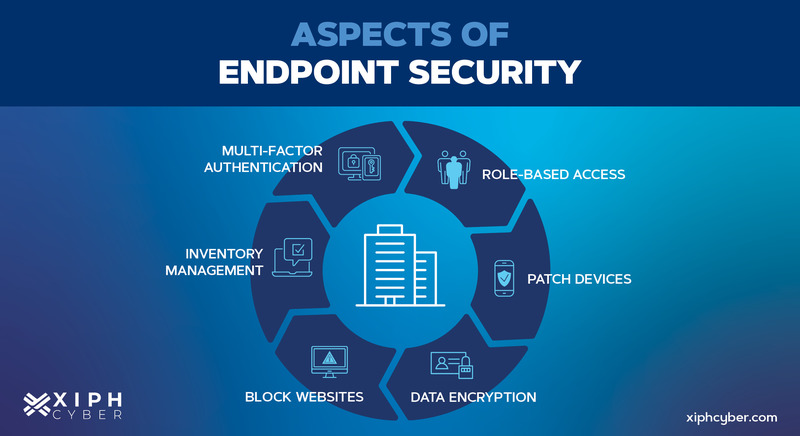
In today's hyper-connected digital landscape, safeguarding your organization's critical assets from evolving cyber threats is paramount. An effective cybersecurity endpoint protection platform (EPP) solution serves as the foundational layer of defense, offering robust protection for every device connected to your network. This comprehensive guide delves deep into the world of EPP, exploring its vital role, core functionalities, and how it empowers businesses to maintain a formidable security posture against sophisticated attacks. If you're looking to fortify your digital perimeter and achieve peace of mind, understanding and implementing a cutting-edge EPP is not just an option, but a strategic imperative for proactive data breach prevention.
Understanding Cybersecurity Endpoint Protection Platform (EPP) Solutions
An Endpoint Protection Platform (EPP) is a comprehensive security solution deployed on endpoint devices such as laptops, desktops, servers, and mobile devices. Its primary function is to prevent, detect, and block malicious activity at the point of entry. Unlike traditional antivirus software that primarily relies on signature-based detection, modern EPP solutions leverage advanced technologies to identify and neutralize a broader spectrum of threats, including zero-day exploits, fileless malware, ransomware, and phishing attacks.
The evolution from basic antivirus to sophisticated EPP reflects the changing nature of cyber threats. Where signature-based methods once sufficed for known viruses, today's attackers employ polymorphic code, obfuscation techniques, and living-off-the-land binaries, making traditional approaches largely ineffective. EPP addresses this by integrating multiple layers of security capabilities, providing a holistic defense mechanism that protects endpoints throughout the entire attack lifecycle.
Why Are EPP Solutions Critical in Today's Threat Landscape?
The contemporary business environment is characterized by an expanding attack surface, driven by factors like remote work, cloud adoption, and the proliferation of IoT devices. This expanded perimeter makes endpoints prime targets for malicious actors. Without a robust endpoint protection platform, organizations face significant risks:
- Escalating Cyber Threats: The volume and sophistication of attacks, from ransomware gangs to state-sponsored actors, are at an all-time high. A single compromised endpoint can serve as a gateway for an entire network intrusion, leading to massive disruptions and data loss.
- Remote and Hybrid Workforces: With employees accessing corporate resources from various locations and personal networks, the traditional network perimeter has dissolved. EPP ensures consistent malware protection and security enforcement regardless of where an employee is working.
- Consequences of Breaches: A successful breach can result in devastating financial losses, reputational damage, legal penalties, and operational downtime. Proactive data breach prevention through EPP is far more cost-effective than reactive incident response.
- Regulatory Compliance: Many industry regulations and data privacy laws (e.g., GDPR, HIPAA, PCI DSS) mandate robust security controls, including endpoint protection, to safeguard sensitive information. An EPP helps organizations meet these stringent compliance standards and avoid hefty fines.
- Sophisticated Attack Techniques: Modern attacks often bypass traditional defenses. EPP's behavioral analysis and machine learning capabilities are crucial for detecting never-before-seen threats and fileless attacks that leave no trace on disk.
Key Features and Capabilities of Modern EPP
A cutting-edge cybersecurity endpoint protection platform goes far beyond simple virus scanning. It integrates a suite of advanced features designed to provide multi-layered defense:
Next-Gen Antivirus (NGAV) and Malware Protection
- Signatureless Detection: Unlike legacy antivirus, Next-Gen Antivirus (NGAV) uses machine learning, artificial intelligence, and behavioral analysis to identify and block new and unknown threats without relying on traditional signatures. This is crucial for combating zero-day attacks.
- Exploit Prevention: EPP solutions actively monitor for and prevent the exploitation of software vulnerabilities, blocking common attack vectors used by malware to gain unauthorized access.
- Fileless Malware Protection: Many modern attacks operate entirely in memory, making them difficult to detect. EPP employs advanced techniques to identify and stop these elusive threats before they can execute.
Proactive Threat Detection and Response
- Behavioral Analysis: EPP continuously monitors endpoint activity for suspicious behaviors, such as unusual process execution, unauthorized network connections, or attempts to modify critical system files. This helps in early threat detection.
- Application Control: This feature allows organizations to whitelist approved applications and block all others, significantly reducing the risk of unauthorized software execution and malware infections.
- Device Control: EPP enables administrators to manage and restrict access to USB drives, external hard drives, and other peripheral devices, preventing data exfiltration and the introduction of malware.
- Host Firewall: Many EPP solutions include a built-in firewall that provides granular control over network traffic to and from the endpoint, enhancing network security at the device level.
Centralized Management and Remediation
- Centralized Management Console: A single pane of glass for managing all protected endpoints, deploying policies, monitoring alerts, and generating reports. This simplifies management for IT security teams.
- Automated Incident Response: Upon detection, EPP can automatically quarantine malicious files, terminate suspicious processes, and isolate compromised endpoints to prevent lateral movement of threats. This accelerates incident response.
- Forensic Capabilities: Some EPPs offer basic forensic data collection, providing valuable insights into the attack chain to aid in post-incident analysis and future prevention.
EPP vs. EDR: Understanding the Synergy
While often discussed together, Endpoint Protection Platform (EPP) and Endpoint Detection and Response (EDR) serve distinct yet complementary roles in a comprehensive endpoint security strategy.
- EPP (Protection Focus): EPP is primarily focused on prevention. It's the first line of defense, designed to stop known and unknown threats from ever reaching or executing on the endpoint. Think of it as the padlock and alarm system for your endpoint.
- EDR (Detection and Response Focus): EDR picks up where EPP might leave off. It continuously monitors endpoint activity, collects data, and uses advanced analytics to detect subtle signs of compromise that might have bypassed initial prevention. EDR provides visibility into what happened, how it happened, and offers tools for rapid investigation and remediation. It's the surveillance camera and forensic team.
For truly robust protection, many organizations now deploy integrated EPP and EDR solutions. EPP blocks the vast majority of threats, while EDR provides the deep visibility and rapid response capabilities needed for the sophisticated threats that manage to evade initial defenses. This synergistic approach creates a formidable defense against the full spectrum of cyber threats.
Implementing and Optimizing Your EPP Solution
Selecting and deploying an endpoint protection platform requires careful planning and strategic execution to maximize its effectiveness. Here's a guide to implementation and ongoing optimization:
Choosing the Right EPP Solution
- Assess Your Needs: Understand your organization's unique risk profile, the number and types of endpoints, industry-specific compliance standards, and budget constraints.
- Evaluate Core Capabilities: Look for solutions offering robust Next-Gen Antivirus (NGAV), behavioral analysis, exploit prevention, and centralized management.
- Consider Cloud-Native vs. On-Premises: Cloud security EPP solutions offer scalability, easier deployment, and often better threat intelligence sharing. On-premises might be preferred for specific regulatory requirements or air-gapped environments.
- Vendor Reputation and Support: Research vendor track record, customer reviews, and the quality of their technical support.
- Integration Capabilities: Ensure the EPP can integrate with existing security tools, such as Security Information and Event Management (SIEM) systems, and potentially with a Unified Endpoint Management (UEM) solution for streamlined operations.
Deployment Best Practices
- Phased Rollout: Deploy the EPP in phases, starting with a pilot group, to identify and resolve any compatibility issues or performance impacts before a full rollout.
- Policy Configuration: Tailor security policies to different user groups and device types. Implement granular controls for applications, devices, and network access.
- Regular Updates: Ensure that the EPP software and its threat intelligence definitions are always up-to-date. Automate updates where possible.
- User Training: Educate employees on the importance of endpoint security and their role in maintaining it. Emphasize safe browsing habits and phishing awareness.
Ongoing Management and Optimization
- Proactive Security Posture Assessment: Regularly review your EPP's effectiveness. Conduct vulnerability assessments and penetration testing to identify weaknesses.
- Threat Intelligence Integration: Leverage threat intelligence feeds to enhance your EPP's ability to detect emerging threats.
- Incident Response Planning: Develop and regularly test your incident response plan in conjunction with your EPP's capabilities. Understand how your EPP contributes to containment and remediation.
- Performance Monitoring: Continuously monitor endpoint performance to ensure the EPP is not causing significant slowdowns or resource contention.
- Regular Audits and Reviews: Periodically review EPP logs and reports to identify trends, potential gaps, and areas for improvement. Work closely with your IT security teams.
Adopting a Zero Trust architecture also complements EPP solutions by enforcing the principle of "never trust, always verify." This means every user, device, and application attempting to access resources must be authenticated and authorized, regardless of whether they are inside or outside the traditional network perimeter. An EPP acts as a critical enforcement point within a Zero Trust model, ensuring that only healthy and authorized endpoints can connect.
Actionable Tips for Maximizing Your EPP Effectiveness
- Automate Patches and Updates: Beyond the EPP itself, ensure all operating systems and third-party applications on endpoints are regularly patched. Vulnerability management is a continuous process.
- Implement Least Privilege: Grant users only the minimum necessary permissions to perform their jobs. This limits the damage an attacker can inflict if an endpoint is compromised.
- Regular Security Awareness Training: The human element remains the weakest link. Comprehensive training helps users identify phishing attempts, suspicious links, and social engineering tactics.
- Leverage Centralized Logging: Integrate EPP logs with a SIEM system for consolidated visibility and advanced correlation of security events across your environment.
- Test and Validate: Don't just set it and forget it. Regularly test your EPP's detection and prevention capabilities using safe, simulated attacks or red team exercises to ensure it performs as expected.
Frequently Asked Questions
What is the primary difference between EPP and traditional antivirus software?
The primary difference lies in their approach to malware protection and threat detection. Traditional antivirus software primarily relies on signature-based detection, identifying threats based on known patterns. While effective against widespread, known viruses, it struggles with new, polymorphic, or fileless malware. An Endpoint Protection Platform (EPP), on the other hand, utilizes advanced techniques like behavioral analysis, machine learning, and AI to detect unknown and zero-day threats by observing suspicious activities and patterns, offering a much more proactive and comprehensive defense against the evolving landscape of cyber threats.
Can EPP prevent all types of cyber threats?
While an Endpoint Protection Platform significantly reduces the attack surface and prevents a vast majority of cyber threats, no single security solution can guarantee 100% prevention against all possible attacks. Highly sophisticated, targeted attacks, or those exploiting previously unknown vulnerabilities (zero-days), might sometimes bypass initial EPP defenses. This is why EPP is often complemented by Endpoint Detection and Response (EDR) solutions, threat intelligence, and a comprehensive endpoint security strategy that includes user training, network segmentation, and robust incident response planning.
How does EPP contribute to overall data breach prevention?
An Endpoint Protection Platform contributes significantly to data breach prevention by acting as the first line of defense at the device level. It prevents malware infections, blocks unauthorized access attempts, and controls data flow to and from endpoints. By stopping threats before they can establish a foothold or exfiltrate sensitive data, EPP reduces the likelihood of a breach. Its capabilities like application control, device control, and exploit prevention directly mitigate common vectors used in data breaches, safeguarding critical information from compromise.
What should an organization look for when selecting an endpoint protection platform?
When selecting an endpoint protection platform, organizations should look for several key attributes. These include robust Next-Gen Antivirus (NGAV) capabilities for advanced malware protection, comprehensive threat detection using behavioral analysis and machine learning, and strong exploit prevention. Also crucial are centralized management for ease of use, automated incident response features, scalability to grow with your organization, and integration capabilities with existing security infrastructure (e.g., SIEM, Unified Endpoint Management (UEM)). Consider the vendor's reputation, support quality, and whether the solution offers cloud security benefits for remote workforces.
Is EPP effective for remote workforce protection?
Absolutely. Endpoint Protection Platform (EPP) solutions are exceptionally effective for remote workforce protection and are arguably more critical than ever in distributed environments. With employees working from diverse locations and potentially less secure home networks, EPP ensures that corporate devices remain protected regardless of their physical location. Modern EPPs, especially cloud-native solutions, provide consistent malware protection, policy enforcement, and threat detection for remote endpoints, allowing IT security teams to maintain a strong security posture and extend their endpoint security strategy beyond the traditional office perimeter. This is vital for maintaining compliance standards and preventing breaches in a remote-first world.

0 Komentar