
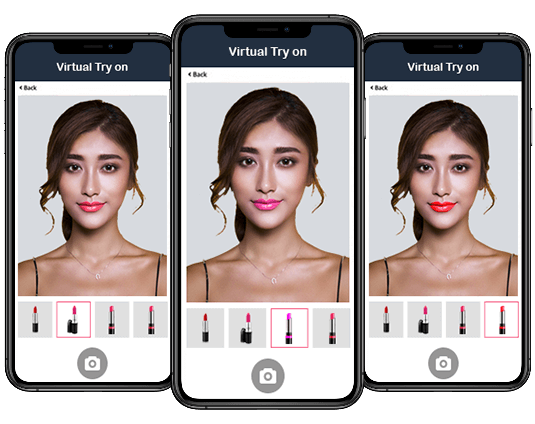
Augmented Reality for Virtual Try-On Makeup: Revolutionizing the Beauty Industry
The landscape of beauty retail has undergone a seismic shift, driven by groundbreaking technological advancements. At the forefront of this transformation is augmented reality for virtual try-on makeup, a powerful innovation that is fundamentally changing how consumers discover, test, and purchase beauty products. This isn't just a fleeting trend; it's a strategic imperative for brands seeking to enhance customer experience, boost conversion rates, and minimize returns in an increasingly digital-first world. Dive deep into how this cutting-edge technology is redefining online and in-store beauty interactions, offering unparalleled convenience and a truly personalized shopping journey.
The Revolution of Augmented Reality in Beauty Retail
For decades, the beauty industry relied heavily on physical touchpoints: testers in stores, in-person consultations, and the tactile experience of applying products. However, the rise of e-commerce, coupled with changing consumer behaviors and global health considerations, accelerated the need for digital alternatives. Enter augmented reality (AR), a technology that overlays digital information onto the real world, creating an interactive, enhanced view of reality. In the context of beauty, this means consumers can "try on" lipsticks, eyeshadows, foundations, and more, all from their smartphone or computer screen, without ever opening a physical product.
This paradigm shift has profound implications. It democratizes access to beauty products, allowing individuals in remote areas or those with limited mobility to explore vast selections. It also addresses significant hygiene concerns associated with shared in-store testers, offering a clean, safe, and personalized way to experiment with new looks. The integration of AR beauty technology into online shopping experiences is no longer a luxury but a fundamental expectation, driving consumer engagement and loyalty in an unprecedented manner.
How AR Virtual Try-On Makeup Works
The magic behind virtual makeup try-on lies in sophisticated algorithms and real-time facial recognition. Here's a simplified breakdown of the process:
- Facial Mapping and Tracking: Using a device's camera, the AR software first maps the user's face, identifying key facial features such as eyes, lips, and cheekbones. Advanced algorithms track these points in real-time, even as the user moves their head.
- 3D Rendering and Overlay: Digital representations of makeup products (e.g., lipstick shades, eyeshadow palettes) are created in 3D. These virtual products are then precisely overlaid onto the mapped facial features, adjusting for lighting, skin tone, and facial contours.
- Realistic Simulation: To ensure a truly immersive experience, the technology simulates how light interacts with the virtual makeup, mimicking the texture, finish (matte, glossy, shimmer), and opacity of the actual product. This creates a highly realistic virtual try-on effect.
- AI Integration: Many advanced systems incorporate Artificial Intelligence (AI) to further enhance accuracy. AI can analyze skin tone, undertones, and even existing makeup to provide more tailored recommendations or adjust the virtual application for optimal realism. This is where AI-powered makeup filters come into play, offering a seamless and intuitive user experience.
The result is an instant, dynamic preview of how a product will look, allowing users to compare multiple shades, experiment with different styles, and make informed purchasing decisions with confidence.
Unlocking Unprecedented Benefits for Consumers
The adoption of augmented reality for virtual try-on makeup is primarily driven by the immense value it delivers directly to the consumer. It transforms what was once a challenging and sometimes frustrating process into an enjoyable, efficient, and empowering experience.
- Enhanced Shopping Confidence: One of the biggest hurdles in online makeup purchasing is the inability to test products. AR try-on eliminates this guesswork, allowing consumers to see exactly how a shade or product will look on their unique features, significantly reducing purchase anxiety. This leads to higher satisfaction and fewer returns.
- Personalization at Scale: Every individual's skin tone, undertone, and facial structure is unique. AR technology provides a truly personalized beauty experience, showing products in a context specific to the user, rather than relying on generic swatch photos or models.
- Hygiene and Safety: In an era where cleanliness is paramount, virtual try-on offers a completely sanitary alternative to shared in-store testers, which can harbor bacteria. Consumers can experiment safely from the comfort of their homes.
- Unparalleled Convenience and Efficiency: No need to visit multiple stores, wait for a beauty advisor, or spend time cleaning off swatches. With AR, consumers can try on dozens of shades in minutes, anytime, anywhere, with just a few taps on their device.
- Exploration and Discovery: AR encourages experimentation. Users are more likely to try shades or products they might not have considered in a physical store, fostering a sense of playful discovery and expanding their beauty horizons. This increased customer engagement in beauty directly translates to higher sales potential.
Overcoming Traditional Hurdles in Makeup Shopping
Historically, buying makeup, especially online, presented several significant challenges:
- Sanitation Concerns: Shared product testers in physical stores have always posed hygiene risks, deterring many cautious consumers.
- Color Matching Issues: What looks good on a model or in a swatch photo might not translate accurately to individual skin tones, leading to frequent mis-purchases and returns.
- Time Consumption: Testing multiple products in a store is a time-consuming process, often requiring multiple applications and removals.
- Limited Access: Consumers in areas without specialized beauty retailers, or those with mobility issues, faced significant barriers to product exploration.
Augmented reality for virtual try-on makeup directly addresses and effectively resolves these long-standing issues, making the beauty shopping journey more inclusive, efficient, and enjoyable for everyone.
Strategic Advantages for Beauty Brands and Retailers
Beyond consumer benefits, the implementation of AR beauty technology offers compelling strategic advantages for brands and retailers looking to thrive in the competitive beauty market.
- Increased Conversion Rates: By reducing purchase uncertainty, AR try-on significantly boosts the likelihood of a sale. When consumers can visualize a product on themselves, they are far more confident in their purchasing decision. This is a critical factor for any e-commerce beauty solution.
- Reduced Product Returns: Mis-matched shades are a primary reason for makeup returns. AR's accuracy in showing how products look on the user directly mitigates this, leading to lower return rates, significant cost savings, and improved supply chain efficiency.
- Richer Data Collection and Insights: AR platforms can gather invaluable data on consumer preferences, popular shades, try-on duration, and conversion paths. This data provides actionable insights for product development, marketing strategies, and inventory management. Understanding how consumers interact with digital cosmetics offers a competitive edge.
- Enhanced Brand Differentiation and Innovation: Brands that adopt AR try-on position themselves as forward-thinking, innovative, and customer-centric. This technological leadership attracts new customers and reinforces loyalty among existing ones, setting them apart in a crowded market.
- Expanded Reach and Omnichannel Integration: AR try-on can be deployed across various touchpoints – mobile apps, websites, in-store kiosks, and even social media filters. This creates a seamless omnichannel experience, bridging the gap between online and offline shopping.
- Improved Customer Engagement: The interactive and personalized nature of AR try-on increases the time consumers spend on a brand's platform, fostering deeper engagement and a more memorable brand experience.
Integrating AR Try-On: Best Practices for Brands
To maximize the impact of online makeup testing, brands should adhere to several best practices:
- Prioritize Accuracy and Realism: Invest in high-quality AR solutions that offer precise color rendering and realistic texture simulation. Inaccurate representation can undermine trust.
- Ensure Seamless User Experience (UX): The AR feature should be easy to find and use, with minimal loading times and intuitive controls. A clunky interface will deter users.
- Mobile Optimization is Crucial: The vast majority of beauty shopping happens on mobile devices. Ensure the AR experience is flawlessly optimized for smartphones and tablets.
- Integrate with E-commerce Flow: Make it effortless for users to add tried-on products directly to their cart. The try-on should be a natural step in the purchase journey, not a separate, disconnected feature.
- Educate and Promote: Actively promote the AR try-on feature through marketing campaigns, social media, and on product pages. Educate users on how to get the best experience.
- Gather Feedback and Iterate: Continuously collect user feedback to refine and improve the AR experience. Technology evolves, and so should your implementation.
The Future Landscape: Beyond Virtual Try-On
While augmented reality for virtual try-on makeup is already transformative, its evolution is far from over. The future promises even more sophisticated and integrated experiences:
We're seeing the beginning of a truly intelligent beauty assistant powered by AR and AI. Imagine an app that not only lets you try on makeup but also analyzes your skin condition, recommends specific products based on your concerns and local weather, and even suggests a full makeup look tailored to your face shape and personal style. The virtual makeup try-on evolution is leading towards hyper-personalization.
The technology is rapidly expanding beyond traditional makeup. Expect to see highly realistic virtual try-ons for hair color, allowing users to experiment with vibrant hues or subtle highlights. Skincare brands are leveraging AR for virtual skin analysis, identifying issues like redness, dryness, or fine lines and recommending targeted solutions. Even accessories like eyewear, jewelry, and hats are becoming part of the AR try-on ecosystem, creating a holistic digital styling experience.
The rise of the metaverse and Web3 presents new frontiers. Imagine a future where your digital avatar can try on virtual makeup and then purchase the physical product to match. Brands are already exploring NFTs (Non-Fungible Tokens) tied to virtual beauty products, blurring the lines between digital and physical ownership. This truly represents the future of beauty technology.
Measuring Success: Key Metrics for AR Implementation
To justify the investment in augmented reality for virtual try-on makeup, brands must track specific key performance indicators (KPIs):
- Conversion Rate Uplift: Compare conversion rates for products with AR try-on versus those without. A significant increase indicates success.
- Return Rate Reduction: Monitor the percentage of returns for AR-enabled products. A noticeable decrease is a strong indicator of effectiveness.
- Engagement Metrics: Track the number of try-on sessions, average session duration, and the number of products tried per session. Higher engagement signifies user satisfaction and interest.
- Customer Satisfaction Scores: Incorporate questions about the AR experience in customer surveys. Positive feedback reinforces the value.
- Average Order Value (AOV): Sometimes, the ability to try on more products leads to larger purchases.
By meticulously tracking these metrics, brands can continually optimize their AR strategy, ensuring it delivers tangible ROI and enhances the overall customer journey.
Frequently Asked Questions
What is augmented reality for virtual try on makeup?
Augmented reality for virtual try-on makeup is a cutting-edge technology that uses a device's camera to overlay digital makeup products onto a user's live video feed in real-time. This allows consumers to virtually "try on" various shades of lipstick, eyeshadows, foundations, and other cosmetic products without physically applying them. It provides a highly realistic simulation of how the makeup would look on their face, considering their unique features, skin tone, and lighting conditions. This innovative solution significantly enhances the online shopping experience and addresses hygiene concerns associated with traditional in-store testers, offering unparalleled convenience and confidence.
How accurate is virtual makeup try-on technology?
The accuracy of virtual makeup try-on technology has advanced significantly, driven by improvements in facial tracking, 3D rendering, and AI algorithms. Modern solutions can precisely map facial features, account for subtle movements, and realistically simulate how different textures (matte, glossy, shimmer) and finishes appear on various skin tones and lighting conditions. While no virtual experience can perfectly replicate the tactile sensation of physical application, the visual accuracy is now remarkably high, providing consumers with a reliable preview that closely mirrors real-world results. Continuous development in AI-powered makeup filters further refines this realism.
Can AR beauty technology truly replace in-store testing?
While AR beauty technology offers a highly convenient, hygienic, and personalized alternative to traditional in-store testing, whether it can "truly replace" it depends on consumer preference and the specific product. For many, especially for color cosmetics like lipsticks and eyeshadows, AR provides an excellent substitute. However, for products where texture, feel, or scent are critical (e.g., foundations, skincare, fragrances), a physical interaction might still be preferred by some. AR complements and enhances the in-store experience by allowing quick, sanitary testing, freeing up beauty advisors for deeper consultations. It's more accurate to say AR is a powerful, often superior, alternative that significantly reduces the reliance on physical testers.
What are the main benefits of digital cosmetics for consumers?
The main benefits of digital cosmetics, enabled by AR virtual try-on, for consumers include vastly improved shopping confidence due to realistic previews, unparalleled convenience allowing try-ons anytime and anywhere, enhanced hygiene by eliminating shared testers, and a highly personalized experience tailored to their unique features. It also encourages playful experimentation with new looks and colors, leading to more informed and satisfying purchasing decisions. This contributes to a seamless and enjoyable journey that overcomes many traditional pain points of beauty shopping.

0 Komentar